
England confirms end of badger-cull renewals in shift of bovine TB strategy
The UK government has effectively confirmed that annual renewals for badger culling in England will stop. The move shifts the balance of bovine TB control toward wildlife vaccination, testing and herd surveillance.
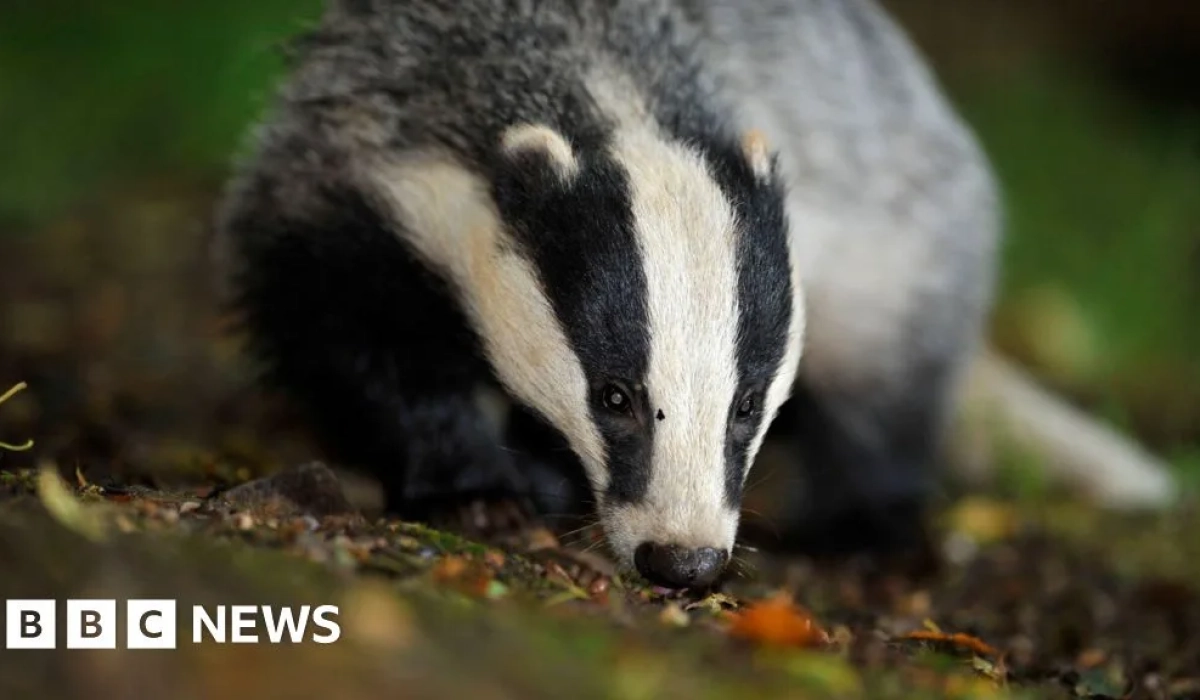
The UK government has effectively confirmed the end of annual renewals for badger culling in England. BBC reported that the last active culling licence was granted in Cumbria in 2024 and formally runs until 2028, but the work depends on yearly authorisation from Natural England. Defra said that authorisation will not be renewed, meaning culling is not expected to resume.
Badger culling was used for years as part of the strategy to control bovine tuberculosis in cattle. Government figures cited by the BBC say the disease led to the slaughter of more than 270,000 cattle over the past decade. That has kept the issue at the centre of farm policy, animal-health planning and wildlife debate across England.
Defra said the strategy is moving toward badger vaccination, while cattle testing and surveillance remain in place. The department also pointed to recent evidence showing that 5% of tested badger carcasses were positive for TB in 2024. In policy terms, the government is presenting the change not as a retreat from disease control, but as a shift toward a different mix of tools.
Wildlife groups welcomed the decision. The Badger Trust described it as a significant milestone, and Cumbria Wildlife Trust indicated it would be willing to work with Defra on vaccination schemes. The National Farmers Union, however, said culling had been effective when combined with cattle testing and movement controls, and warned that removing one part of that system could leave farmers more exposed.
The NFU argues the change comes before fully effective cattle vaccination and testing are expected to be available, a timeline it places around 2030. Wildlife organisations also note that the Cumbria licence technically remains active even if ministers say culling will not restart. For agricultural policy in England, the decision marks a clear turn in the way the country plans to manage a disease that affects both livestock and wildlife.