
Pennsylvania’s state farm bill model draws attention as the US federal bill remains delayed
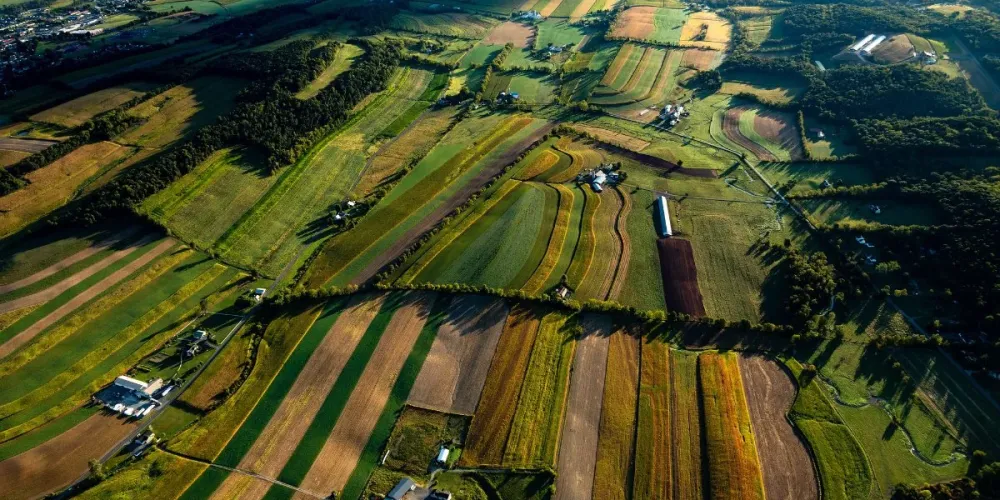
Civil Eats reports growing policy interest in whether state-level farm bills can fill gaps while the federal US farm bill remains stalled. As of March 2026, the federal package is roughly two and a half years behind schedule, leaving many non-commodity programs exposed to uncertainty in planning and funding continuity.
Pennsylvania is highlighted as a tested case. Its Pennsylvania Farm Bill, signed in 2019, funds a portfolio that includes farm-to-school grants, business development for value-added farm enterprises, and workforce development channels tied to agriculture. The article emphasizes continued bipartisan support in state budgeting, which has improved policy predictability for local operators.
A central field-level example is Christa Barfield’s FarmerJawn. She started in 2020 with a 24-square-foot backyard greenhouse in Philadelphia and scaled to 123 acres of diversified vegetable production, farm stores, and CSA participation. According to the article, she is preparing to apply for USDA Organic and Regenerative Organic certification in 2026.
The piece also underscores the role of Rodale Institute, which provided practical assistance including expanded soil testing and technical guidance. That support structure is presented as part of why state-directed programs can convert policy funding into measurable operational change more quickly when federal mechanisms are delayed.
Beyond Pennsylvania, other states are reported to be considering similar approaches, either through omnibus state farm packages or through targeted stand-alone measures. The strategy is to avoid policy paralysis by strengthening local food economies, farm business resilience, and labor pipelines while federal negotiations continue.
The article does not present Pennsylvania as a one-size-fits-all blueprint, but as a transferable governance pattern. The broader takeaway for ag policy is that stable, regionally targeted financing can reduce production risk and program volatility when national legislation is late or politically blocked.
Not yet comments. Be the first!
Comments · 0