
Union Minister Shivraj Singh Chouhan releases Rs 25,863 crore to states under Viksit Bharat G-RAM-G scheme
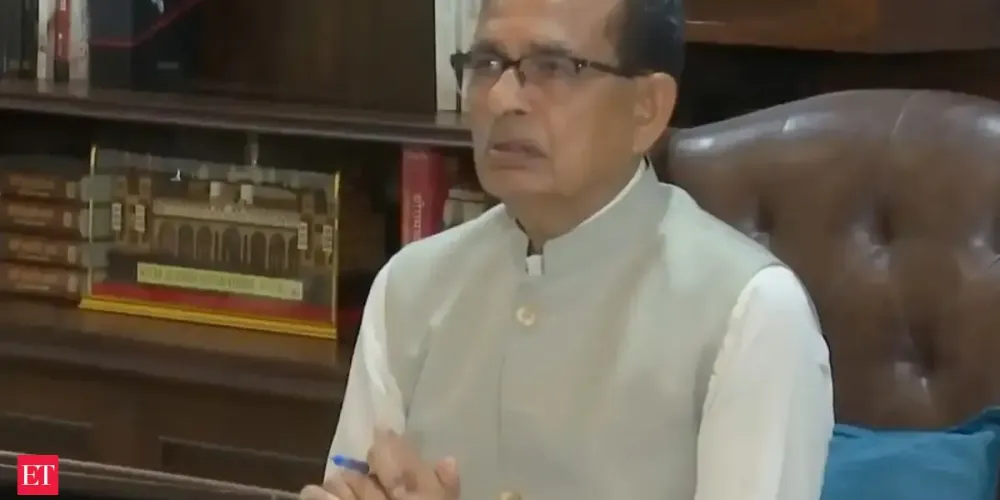
Union Minister for Rural Development and Agriculture Shivraj Singh Chouhan has officially released the first installment of the 'Mother Sanction,' amounting to Rs 25,863 crore, to states across India under the new Viksit Bharat G-RAM-G Yojana. The funds were disbursed via video conference from Bhopal on July 5, 2026, marking a significant step in the implementation of the government's rural welfare strategy.
The Viksit Bharat G-RAM-G scheme, which officially came into effect on July 1, 2026, serves as the successor to the MGNREGA program. A major improvement in this new framework is the extension of the employment guarantee from 100 days to 125 days per financial year for rural households. Minister Chouhan expressed satisfaction with the smooth transition from the previous scheme, noting that there have been no complaints regarding implementation so far.
Under the new statutory guarantee, every rural household with adult members willing to perform unskilled manual work is entitled to 125 days of wage employment. If employment is not provided within the prescribed timeframe following a request, workers remain eligible for an unemployment allowance. The program ensures wage transparency by maintaining the Direct Benefit Transfer (DBT) system, sending payments directly to bank or post office accounts.
The VB-G RAM G Act, passed during the 2025 Winter Session of Parliament, also introduced a new funding ratio of 60:40 between the Central and State governments. The Minister emphasized the importance of timely payments, stating that wages must be settled on a weekly basis or within 15 days of the muster roll closure, with provisions for delay compensation if deadlines are not met to ensure the security of rural incomes.
Despite the government's optimism, the scheme has faced criticism from the Opposition. Concerns have been raised regarding the removal of Mahatma Gandhi's name from the program and the adjustments to the funding structure. However, the government maintains that these reforms are necessary to strengthen livelihood security and support sustainable village-level development across the nation, effectively evolving the welfare landscape for rural India.
Not yet comments. Be the first!
Comments · 0