
How to Choose the Ideal Roof Drainage System for Your Home?
Choosing a roof drainage system is critical for protecting your home. Learn which materials and designs are best suited for different roof types.
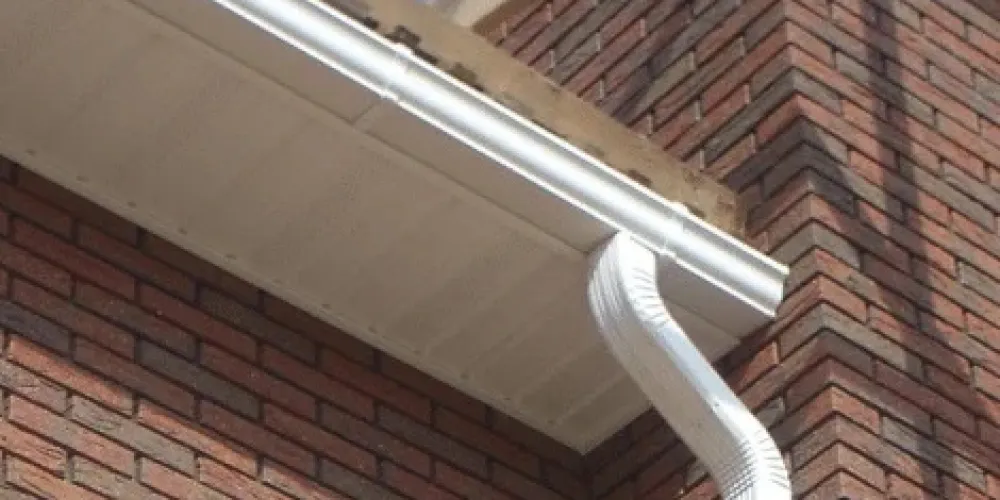
Choosing the right roof drainage system — a key element in ensuring the longevity and safety of your building. A proper drainage system not only protects the foundation and walls from harmful moisture but also prevents issues such as soil erosion and roof damage. It plays an important role in preserving the aesthetic appeal and structural integrity of the property, thereby helping to maintain a healthy microclimate inside. An effective drainage system — it's not just a necessity; it's an investment in the future of your home and the comfort of its residents. TRITON Company offers high-quality, durable drainage systems perfectly suited for Kazakhstan's climate.
Why It’s Important to Choose Quality Roof Drainage Systems
Using low-quality drainage systems can lead to a number of serious problems. For example, poorly installed or low-quality gutters and pipes may not handle water effectively, leading to leaks, increased humidity, and promoting mold and mildew growth. This not only jeopardizes the building's structure but can also negatively impact the health of its occupants.
Investing in high-quality drainage systems, on the other hand, provides reliable protection for the roof and foundation against damage. Quality systems are easier to maintain and repair, more resistant to weather and mechanical damage, significantly extending their service life. Additionally, a properly selected and installed drainage system increases property value by improving its appearance and functionality.
Criteria for Choosing a Roof Drainage System
Materials
Material selection plays a key role in the functionality and longevity of the drainage system:
- Steel: It provides high strength, resistance to extreme temperatures, and mechanical impacts. Steel systems with protective coatings prevent corrosion and have a long service life.
- Aluminum: Lightweight and easy to install, but less resistant to temperature fluctuations, which may be problematic in variable climates.
- Plastic: Although plastic systems are more affordable and easier to install, they are susceptible to deformation and degradation under UV exposure and temperature changes.
Design
The type of roof determines the appropriate drainage system:
- Flat roofs require internal systems with downspouts for effective water removal.
- Sloped roofs are ideal for external systems with gutters and pipes that provide rapid water runoff.
Color and Finish
The aesthetic aspect is also important. Drainage systems should harmonize with the building’s overall design. Choosing from a wide RAL color palette allows you to perfectly match the system to the facade and roof color.
Climate Resistance
The choice of system should consider local climate conditions. For example, in regions with heavy rainfall or low temperatures, more resilient materials such as galvanized steel are needed to handle such loads.
Instructions for Choosing the Right System
Before ordering a roof drainage system, you must measure and calculate the dimensions to ensure its effectiveness. Start by determining the roof perimeter to calculate the required gutter length. The next step — assessing the roof area to determine how much water the system must handle. This will help select the appropriate pipe and gutter sizes.
When selecting components for the drainage system, pay attention to the quality of joints and fasteners, which must be resistant to corrosion and mechanical damage. Also, consider the roof type and building’s architectural features when choosing gutter and pipe shapes and types. Don’t forget to integrate additional elements, such as leaf guards and water collectors, which may improve system functionality.
Installation Process
Before beginning installation, ensure that the roof and eaves are in perfect condition. Key steps include:
- Site Preparation: Check the roof and eaves for damage.
- Gutter Installation: Install gutters with proper slope to ensure effective water runoff.
- Downspout Installation: Secure pipes vertically using brackets for secure attachment to walls.
- Joint Inspection: Ensure all joints are watertight and do not leak.
After installing all system components, perform a water test to confirm full functionality and absence of leaks. This guarantees the system will operate effectively and require minimal maintenance in the future.
Conclusion
Purchasing a drainage system from reputable manufacturers is a guarantee of quality and longevity. Choosing TRITON’s products means you get not only a reliable drainage system but also professional consultation at every stage of selection and installation. TRITON offers a wide range of drainage systems that meet all standards.
Remember, a quality drainage system protects your building from damage and extends its service life. Visit TRITON’s website to explore available solutions and receive assistance in choosing the ideal system for your home.
Editorial team agronom.info
Materials are prepared by the portal's agronomists and editors. We use only trusted sources: Ukrainian agricultural universities, variety registries, open scientific publications.
Related articles


Not yet comments. Be the first!
Comments