
How to choose a kitchen sink siphon: A guide to forgetting about leaks and odors
A puddle under the sink and a sewer smell? A detailed guide to choosing a reliable kitchen drain. Analysis of fitting types, correct sizes, and installation mistakes that lead to flooding.
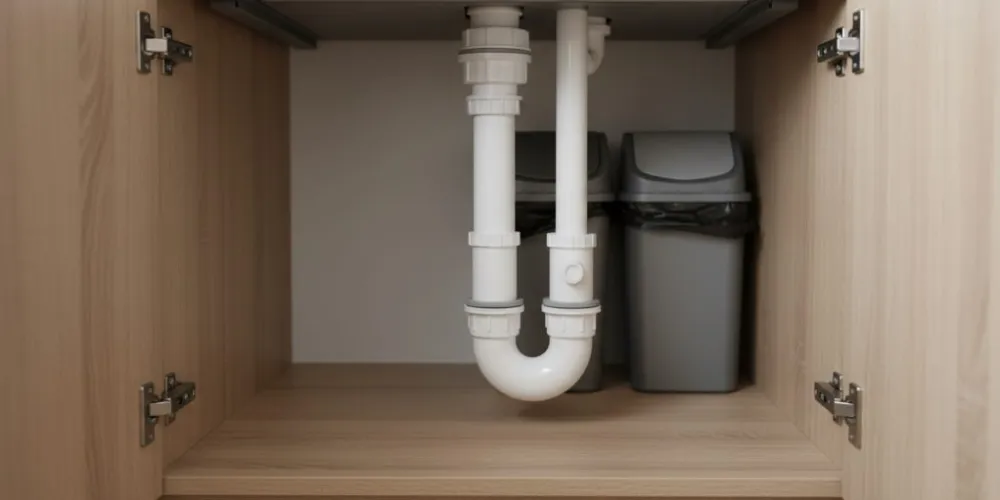
You open the kitchen cabinet door to take out the trash, and a puddle glimmers at the bottom. The particleboard cabinet base is swollen, there's a persistent smell of sewage, and your mood is ruined. The problem lies in a cheap or incorrectly chosen drainage system. Choosing reliable plumbing fixtures saves your furniture from rotting and protects your apartment from flooding. Sometimes a full replacement of the unit is required, while at other times it is easier to order plumbing services in Moscow for accurate diagnostics and installation. This material will help you understand the technical nuances, select the right part, and assemble the structure without the risk of flooding your neighbors.
Why the old drain leaks: The three main reasons
Water always finds a weak spot. Understanding the reasons for the failure of old equipment helps to avoid the same mistakes when purchasing new ones. Most often, leaks occur due to physical wear of materials or original design flaws.
The first reason is the deformation of conical gaskets. Rubber or silicone seals lose elasticity from the constant exposure to hot water and grease. Cheap rubber hardens after 8-10 months of operation. The seal stops fitting tightly against the plastic pipe. Capillary moisture seepage begins. Drop by drop, water destroys the wooden bottom of the cabinet.
The second reason is micro-cracks in the plastic. Manufacturers of budget plumbing save on wall thickness. When draining boiling water from a pot, the thin plastic expands and then shrinks sharply when cold water is turned on. Material fatigue leads to the appearance of invisible cracks in the threaded joints.
The third reason is excessive pressure due to clogs. Food scraps and solidified grease narrow the internal diameter of the pipes. Water drains slowly, creating pressure on the joints. If the system is assembled with a misalignment, water is pushed out through the threads.
Expert tip: Pay attention to the color of the sealing rings when buying. Black rubber in inexpensive kits dries out and cracks quickly. Look for kits with translucent silicone or thermoplastic elastomer (TPE) gaskets in white or blue. They serve for 5-7 years without losing their properties.
Types of kitchen siphons: Choosing a design for your needs
The plumbing market offers dozens of solutions, but only a few basic designs are suitable for the kitchen. The difference lies in the shape of the water seal (trap) - the water plug that blocks the entry of gases from the sewer into the room.
Bottle (flask) designs
A classic and most common option. The lower part of the device resembles a flask or bottle. Water is constantly inside it. The main advantage of the bottle system is maintainability and ease of cleaning. If a wedding ring accidentally falls into the drain, it will stay at the bottom of the flask. You just need to unscrew the bottom cap and take the item out.
This shape requires regular maintenance. Grease actively settles on the walls of the flask. Cleaning is required 1-2 times a year. Bottle-type dimensions require 15-25 centimeters of free vertical space under the sink.
Pipe (U-shaped and S-shaped) designs
The system consists of a curved rigid pipe. A water seal is formed in the bottom bend. Smooth inner walls ensure a high flow rate. Pipe options clog less frequently as debris flows straight into the sewer. An ideal choice for kitchens where you cook a lot and often wash greasy dishes.
The downside of the pipe system is the complexity of installation. A rigid pipe does not forgive errors in measurements. Exact alignment of the sink outlet axes and the entrance to the sewer system is required. It is harder to retrieve a small object that has fallen into the drain — you will have to disassemble the entire unit.
Flat systems for space saving
A specialized type of fixture created to optimize space. The drain pipe immediately goes to the back wall of the cabinet, and the water seal itself is located flush against the wall. A huge amount of useful space is freed up under the sink. It easily accommodates a three-bin waste sorting system, a large reverse osmosis filter, or a food waste disposer.
Flat systems are more expensive than standard options. Due to the abundance of right angles in the design, the water drainage speed is slightly reduced. You have to use preventive anti-clogging agents more often.
Expert tip: Never use a corrugated pipe as the main water seal (by bending it into a U shape). The internal ribbed surface of the corrugated pipe works like a cheese grater. It traps small food fibers, tea leaves, and grease. After two months, such a "plug" will start to rot, emitting a sharp odor. A corrugated pipe is justified only on a short section to connect a rigid outlet to the sewer riser if there is a slight misalignment of axes.
Comparison of popular types' characteristics
Construction Type | Clog resistance | Installation difficulty | Space occupied | Best suited for Bottle | Medium | Low | Large (centered) | Classic kitchens without built-in appliances under the sink. Pipe | High | High | Medium | Those who cook constantly and actively wash dishes by hand. Flat | Low | Medium | Minimal (near wall) | Owners of small kitchens who want to install a water filter.
Checklist before purchasing: Technical selection criteria
The appearance of the plastic does not speak to its reliability. Before going to a hardware store or ordering online, you need to measure the parameters of your kitchen sink and consider the number of appliances to be connected. A 1-centimeter error will make assembly impossible.
Drain opening (outlet) diameter
The size of the sink opening dictates the choice of the upper part of the system. Old cast-iron or cheap stamped sinks have an opening 50-60 millimeters in diameter. For these, buy hardware with a size of 1 1/2 inches. Water drains slower, and the risk of clogging is higher.
Modern sinks made of artificial stone or thick stainless steel come with a 90-millimeter opening. They require an outlet size of 3 1/2 inches. A wide opening ensures fast water drainage and allows you to install a basket strainer - a metal mesh that acts as a stopper and catches large pieces of food.
Presence and shape of the overflow
An overflow is your apartment's lifebuoy. This is an additional hole in the upper part of the bowl, connected by a corrugated tube to the main drain. If you closed the opening with a stopper, filled the sink with water to wash vegetables, and forgot to turn off the tap, the excess water will go through the overflow into the sewer. The water will not spill over the edge and will not ruin the laminate floor.
When buying, check the shape of the overflow hole on the sink. It can be round or rectangular. The shape of the cover in the drain kit must strictly match the shape of the hole. You cannot plug a rectangular hole with a round cover - gaps will remain through which water will seep.
Outlets for connecting household appliances
Dishwashers and washing machines discharge dirty water under pressure. Connecting their hoses directly into the sewer pipe is risky - the pressure might cause a burst. The correct method is connecting through special side nozzles (outlets) on the siphon body. The water seal will dampen the pressure, and odors from the pipes will not enter the washing machine drum.
If you have a dishwasher, choose a model with one nozzle. If you have both a washing machine and a dishwasher in the kitchen, look for a model with two outlets. An unused nozzle is closed with a blank plug included in the kit. It is better to buy a part with extra functionality than to change the entire unit later when buying new equipment.
Material choice: Plastic or metal
Polypropylene (PP) remains the undisputed market leader. This plastic withstands boiling water up to 95 degrees Celsius, is not afraid of aggressive household chemicals, and is not subject to corrosion. The smooth inner surface prevents the formation of grease buildup. A high-quality polypropylene body has a wall thickness of at least 2-3 millimeters. It does not bend when squeezed by hand.
Chrome-plated brass systems are purchased exclusively for aesthetics. They are required for design projects where the sink is wall-mounted without a base cabinet, and all drainage plumbing remains in sight. Metal parts look expensive but require complex maintenance. Traces of dried water drops remain on the chrome. Inside, metal has greater roughness than plastic, which accelerates the process of clogging. The cost of brass hardware is 5-10 times higher than that of plastic.
Assembly rules: How to install units without leaks
Buying expensive hardware does not guarantee the absence of puddles under the cabinet. 90% of leaks occur due to careless assembly. Plastic drain assembly is done exclusively by hand, without the use of adjustable wrenches. Using tools will inevitably lead to stripping the plastic threads or cracking the union nut.
The secret of conical gaskets
The foundation of a leak-proof construction is the correct placement of sealing rings. Most leaks occur because the conical gasket is put on backward. Remember the rule: the narrow part of the cone must always face the connection (inside the socket). The wide part rests against the union nut.
The process is as follows: put the union nut on the straight pipe, then put on the conical gasket with the narrow part toward the edge of the pipe. Insert the pipe into the mating part and tighten the nut. The nut presses on the wide part of the rubber, and the narrow part is tightly pressed into the gap between the walls. It works flawlessly.
Why plumbers are against sealant
A common mistake of beginners is generously lubricating all threaded connections with silicone sealant. Silicone glues parts shut permanently. A year later, when you need to unscrew the flask to clear a clog, you won't be able to budge the nut. You will have to break the plastic.
High-quality gaskets do not require any additional pastes. If you are afraid of leaks, use petroleum jelly-based plumbing lubricant. It will prevent the rubber from drying out and facilitate future disassembly. Sealant is only allowed when installing a metal outlet on an uneven hole of an old sink where the standard flat gasket cannot compensate for the irregularities of the cast iron.
The paper towel test
After assembly, you need to perform a stress test of the system. Close the drain opening with a stopper. Fill the bowl with cold water. Place a dry paper towel or toilet paper under the drain system. Pull the stopper out sharply. Water will go down under high pressure.
While the water is draining, run your hand over all joints and nuts. If there is moisture on your fingers, tighten the problematic nut a little. A paper towel underneath will show micro-droplets that you might not have noticed by hand. Dry paper is an indicator of reliable operation. Now you can safely put your trash bin back.
Frequently Asked Questions (Q&A)
Question: The sink smells like sewage, even though the flask is in place. What is the matter?
The smell appears when the water seal is disrupted or dried out. If you went on vacation for two weeks, the water in the flask could have evaporated. The solution is simple - turn on the tap for 30 seconds. If the smell persists during constant use, the soil pipe (ventilation of the sewer riser) on the roof of the building may be clogged. The pressure in the pipes drops, and the water is sucked out of your flask into the riser.
Question: When draining water, there are loud gurgling sounds. Is this dangerous?
Gurgling indicates problems with the ventilation of the drainage system or the onset of a major clog. The pipe has narrowed, water lacks enough air for free passage, and it draws air through the drain hole. Mechanical cleaning of the branch leading to the common riser is required.
Question: Can a plastic drain be cleaned with boiling water and aggressive agents?
Very hot boiling water (100 degrees) has a negative effect on thin polypropylene. The maximum safe temperature is 80-90 degrees. Liquid anti-clogging gels can be used, but pouring dry alkali (granules) directly onto the plastic grate is dangerous. The granules release a huge amount of heat upon reaction with water, which will melt the plastic walls inside the construction. It is safer to unscrew the sump by hand and wash it.
Conclusion and takeaways
Protecting the kitchen space from moisture begins with a proper understanding of technical details. Avoiding cheap corrugated pipes, choosing dense polypropylene, accurate selection of throat sizes, and the presence of appliance outlets are the key to peaceful operation. A competent approach to installing conical seals eliminates the appearance of puddles. Following the technology relieves you of the need to regularly check the dryness of the kitchen cabinet bottom.
Installing high-quality hardware requires precision and basic knowledge of drainage physics. If you are not ready to choose pipe diameters, study overflow shapes, and test connections on your own, entrust this task to professionals. Contacting RemontGis will ensure a quick selection of reliable components and professional installation with a guarantee of no leaks for years to come.
Editorial team agronom.info
Materials are prepared by the portal's agronomists and editors. We use only trusted sources: Ukrainian agricultural universities, variety registries, open scientific publications.
Related articles
Not yet comments. Be the first!
Comments