
Geomembrane for Water Bodies: How to Prevent Water Leakage and Preserve the Ecosystem
Geomembrane is actively used in landscape design to create ponds, waterfalls, and other water bodies. Such structures are durable due to its resistance to temperature fluctuations and UV exposure. The material is available in various sizes and packaged in convenient…
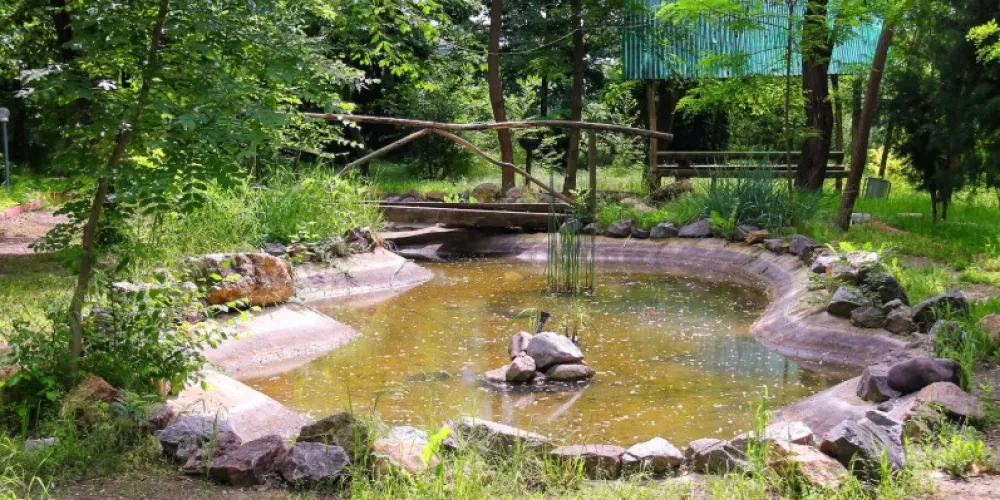
Geomembrane is actively used in landscape design to create ponds, waterfalls, and other water bodies. Such structures are durable due to its resistance to temperature fluctuations and UV exposure. The material is available in various sizes and packaged in convenient rolls.
Applications of the Membrane
Geomembrane for artificial water bodies is used for the following purposes:
- to provide waterproofing for ponds;
- for restoring water bodies;
- for landscaping ponds;
- for ecological protection.
The material has excellent waterproof properties and can prevent water leakage. By laying it on the bottom and around the water body, you can realistically prevent water loss and soil erosion.
The material is used for restoring and repairing geomembrane in ponds due to damage and leaks. To resolve the issue, cover the pond's bottom and walls with the membrane. This allows preserving the pond and its functions.
The membrane is available in various shades. Therefore, you can easily select the desired color and make the pond or decorative lake even more vibrant.
The material not only protects against water leakage. It also maintains water stability and ensures excellent support for the ecosystem's habitat. Additionally, geomembrane from kraska.kz contributes to the development of plants and animals.
Advantages of the Material
If you plan to buy geomembrane for a pond, pay attention to its advantages:
- elasticity and strength;
- ease of installation and removal;
- safety;
- waterproofing;
- excellent operational characteristics.
Thanks to high strength and elasticity properties, you can create decorative water bodies of any shape with numerous curves. The material is laid on surfaces, and for joining, you perform welding of the pond geomembrane using relevant equipment.
The material is resistant to mold and fungi development. It does not degrade or lose its properties under biological and chemical processes. The membrane composition does not contain toxic components that could harm humans or the environment. Therefore, it is widely used for creating children's and adult swimming pools.
The material has high operational parameters. It is not afraid of sunlight, tears, punctures, and other damages.
Application Nuances of the Membrane
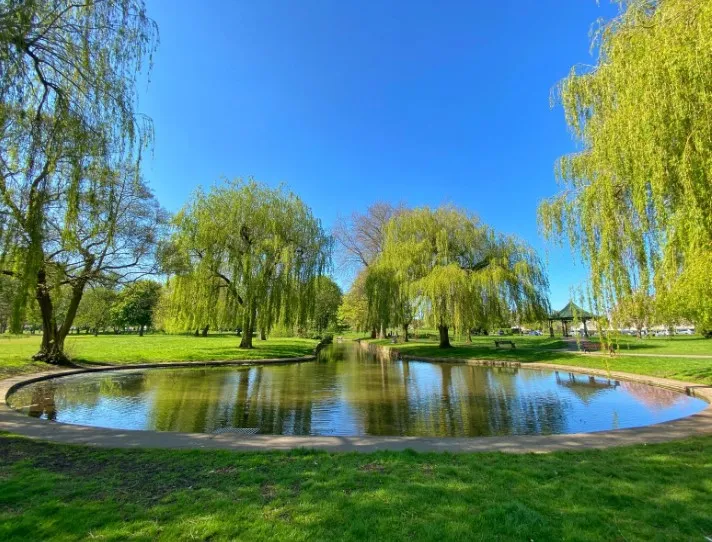
The thickness of geomembrane for ponds should be 1 or 0.75 mm. If the surface is rigid and rocky, it is better to additionally use geotextile. For hydro-isolation of rough vertical structures, choose a textured material for better adhesion.
If you do not know how to waterproof a pond with geomembrane, follow these recommendations. Lay the material avoiding tension, create small folds that will flatten after filling with water.
During water filling, monitor the membrane tension level. If you need to install additional decor such as stones, it is advisable to place geotextile underneath.
A decorative pond requires constant and careful maintenance, primarily cleaning. It can be done in several ways. For example, mechanical cleaning involves using a special filter with fine gravel. It is the simplest and cheapest method. It sucks up debris, mud, and algae.
During chemical cleaning of a pond with geomembrane, substances regulating acidity levels are used. They can dissolve algae and oxygenate the pond. But strictly follow dosages to avoid harming yourself or fish. You may choose to abandon this method if the decorative pond contains beneficial plants/
Editorial team agronom.info
Materials are prepared by the portal's agronomists and editors. We use only trusted sources: Ukrainian agricultural universities, variety registries, open scientific publications.
Related articles
Not yet comments. Be the first!
Comments · 0