
Features of Choosing and Installing Truck Scales for Agricultural Enterprises
An overview of features regarding the selection and installation of truck scales for agricultural enterprises. How to correctly choose measuring equipment for accurate crop accounting.
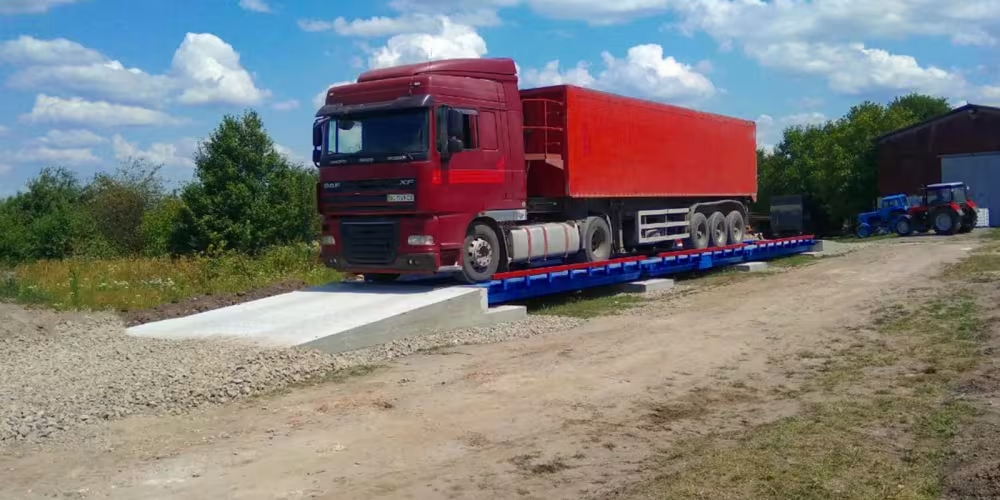
A modern agricultural enterprise is impossible to imagine without efficient logistics and strict control over inventory and assets. Precise weighing of crops, fertilizers, and fuels and lubricants is the key to the financial security and successful operation of any agricultural holding or farm. To achieve these tasks, farmers need reliable measuring equipment capable of withstanding heavy loads in a 24/7 operating mode. A correctly selected measuring system helps eliminate any losses of grain and other products even at the initial receiving stage. Professional production and service of weighing equipment plays a key role in ensuring an uninterrupted technological process at elevators and grain reception points. Manufacturers offer various platform modifications designed for different load capacities and operating conditions. High-quality accounting devices undergo mandatory certification and are entered into the state register of measuring instruments. Integrating such systems into corporate information systems eliminates the influence of the human factor on measurement results. This makes it possible to fully control all logistics flows within the agricultural complex and protect the business from potential abuses.
In conditions of fierce market competition and a continuous rise in agricultural product prices, every kilogram has real monetary value. Errors in determining gross weight or tare can lead to serious financial losses, especially when selling large wholesale batches of grain or oilseeds. That is why the management of agricultural enterprises pays special attention to the metrological accuracy of measuring systems. Modern technologies allow combining several remote weighing points into a single corporate information network. This enables management and security services to track vehicle movement in real-time via secure internet access. Investments in the modernization of weighing facilities pay off in the very first season of active work by preventing shortages and optimizing internal processes.
Criteria for Selecting Measuring Systems
When choosing a platform for weighing trucks, not only the total mass of the vehicles is taken into account, but also the geometry of the enterprise's vehicle fleet. It is important to consider the platform length, which must correspond to the wheelbase of not only single trucks but also grain haulers with trailers. Today, farmers can buy truck scales from the Weighing Systems company, which are characterized by high accuracy and durability of construction. Such devices are perfectly adapted to complex climatic conditions and intensive loads during the harvesting campaign. Reliable load cells are protected against moisture and dust, guaranteeing stable readings regardless of weather factors. Structural features of the foundations under the platforms are also crucial for the durability of the entire system. Monolithic concrete bases or ready-made trestle structures are selected based on the soil type at the site and the groundwater depth. Proper installation eliminates platform warping and measurement errors over time.
Special attention during the design of the weighing area is paid to access roads. Turning radii and the length of straight sections before and after the platform must strictly comply with construction standards and the technical passport of the measuring device. This is necessary to ensure that the truck drives onto the platform smoothly, without sudden braking and acceleration, which create dynamic loads and distort real weighing results. In addition, modern measuring systems are equipped with lightning protection devices. Since a large-area metal platform and long sensor cables act as antennas, a high-quality grounding system protects expensive electronics from failure during summer thunderstorms.
Automation and Software
The efficiency of the measuring complex largely depends on the software used and the degree of process automation. Modern automated workstations for operators allow completely recording all weighing parameters without human intervention. The program automatically reads state license plates of vehicles, records gross and tare weights, and saves all information in a secure database. To protect against unauthorized access, enterprises install specialized traffic control and video surveillance systems. This approach minimizes the risk of queues at the weighbridge and accelerates vehicle turnover during peak harvest periods. Regular maintenance and timely sensor calibration guarantee the preservation of metrological characteristics throughout the entire service life.
The introduction of electronic document management at the weighing station allows instantly generating bill of lading and weighing acts, and transferring data to accounting programs such as 1C or ERP systems. Drivers can receive printed documents via outdoor self-service terminals, which completely eliminates the need for them to leave the cabin and contact the operator. This not only speeds up the logistics cycle but also increases overall safety in the industrial zone of the elevator or logistics center.
Ensuring Durability and Metrological Stability
To ensure that the weighing equipment serves for many years without failures, it is necessary to follow the routine maintenance schedule. During intensive operation, foreign objects, soil, grain, and plant residues can get under the platform, which hinder the free movement of the structure and cause critical measurement errors. Performing periodic cleaning of the sub-deck space is a mandatory procedure for the enterprise's personnel. It is also important to carry out scheduled verifications involving certified metrists, who confirm the device's compliance with state accuracy standards.
Determining the maximum load capacity and platform length, taking into account the prospect of fleet renewal.
Choosing the type of foundation taking into account the geological features of the site and traffic intensity.
Installing video surveillance systems and barriers to prevent unauthorized entry.
Integrating the weighing terminal with the enterprise's accounting and management software.
Concluding a service agreement for the prompt elimination of potential malfunctions.
Investments in high-quality measuring equipment pay off in the shortest possible time by eliminating losses and strictly complying with contractual obligations with counterparties. The use of certified platforms gives the enterprise legal protection in the event of disputes regarding the weight of transported cargo. Agricultural producers are advised to entrust the design and installation of such complex facilities exclusively to specialized experts with many years of experience in this field.
Editorial team agronom.info
Materials are prepared by the portal's agronomists and editors. We use only trusted sources: Ukrainian agricultural universities, variety registries, open scientific publications.
Related articles

Features of selecting components for restoring the operability of agricultural machinery

Cultivator or Walk-Behind Tractor: Fundamental Differences and Technical Distinctions

Financial instruments for updating the agricultural technology fleet: choosing an optimal strategy
Not yet comments. Be the first!
Comments