
Efficiency of Using Seeders for Tractors in Small and Large Scale Farming
How to choose a seeder for a tractor - main criteria and recommendations, advantages and efficiency of using seeders for tractors in agriculture
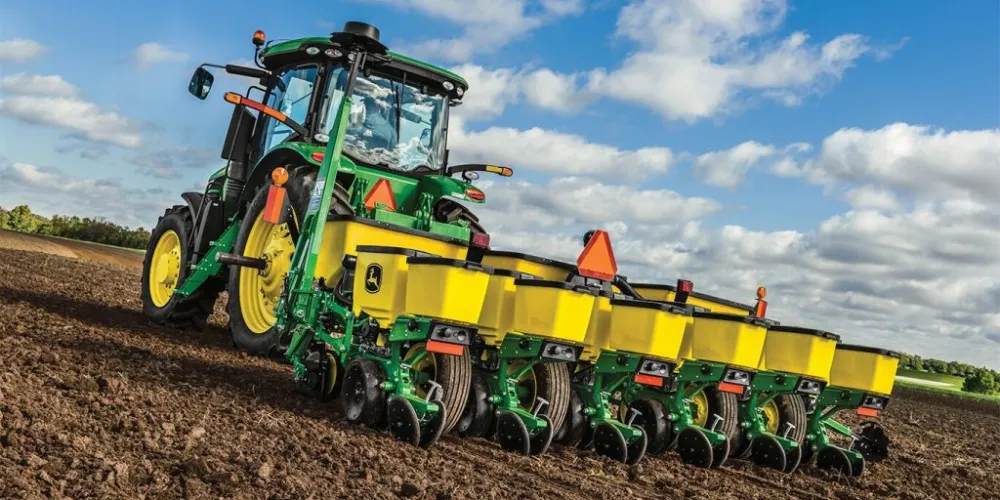
In modern farming, whether it's small-scale farming or large agro-industrial complexes, the key aspect of a successful sowing campaign is the selection and application of appropriate equipment. Seeders for tractors, which you can purchase via link, play a crucial role here, ensuring high sowing accuracy, seed savings, and optimizing the working process. The efficiency of their use directly affects crop yield and the economic efficiency of running an agricultural business.
Advantages of Using Seeders for Tractors
Using seeders for tractors brings numerous advantages to agricultural production, starting with increased sowing accuracy and uniformity. This ensures optimal seed distribution across the field, reducing seed consumption and increasing germination rates. Thus, farmers can achieve more efficient use of sowing material, reducing costs and increasing yield.
Moreover, seeders for tractors significantly speed up sowing operations, allowing larger areas to be processed in less time. This is especially important under time-constrained sowing campaigns, where every day counts. Automation of the sowing process also reduces physical strain on workers and improves overall labor productivity on the farm.
How to Choose a Seeder for a Tractor
Choosing the right seeder for a tractor is a key moment that can significantly enhance the efficiency and productivity of agricultural work. Before purchasing a seeder for a tractor, it's important to consider several criteria that will ensure optimal adaptation of the equipment to your needs and farm conditions. The right choice will not only optimize the sowing process but also reduce maintenance costs.
Main selection parameters include:
-
Soil type and crops: Some seeders are specifically designed for operation under certain conditions, such as heavy or light soils, as well as for specific crops. This ensures proper sowing depth and optimal growing conditions for plants.
-
Width of coverage and productivity: Depending on the size of the areas to be processed, choose equipment with the required width of coverage. A wider coverage allows processing more land in less time, but requires a more powerful tractor.
-
Seed distribution system: Even seed distribution is key to high germination and yield. There are various distribution systems - from mechanical to pneumatic, each having its advantages under certain conditions.
-
Adjustability and settings: A key feature is the flexibility of seeder settings, allowing adaptation to different sowing conditions and requirements. This includes adjusting sowing depth, soil pressure, and seed dosage.
Understanding these parameters will allow for a reasoned choice and ensure that the purchased seeder for a tractor fully meets the needs of your farm. A properly selected model not only increases work productivity but also helps achieve high sowing quality, which ultimately affects yield and profitability.
Information provided by the portal Satom.ru
Editorial team agronom.info
Materials are prepared by the portal's agronomists and editors. We use only trusted sources: Ukrainian agricultural universities, variety registries, open scientific publications.
Related articles
Features of selecting components for restoring the operability of agricultural machinery
Cultivator or Walk-Behind Tractor: Fundamental Differences and Technical Distinctions
Financial instruments for updating the agricultural technology fleet: choosing an optimal strategy
Not yet comments. Be the first!
Comments · 0