
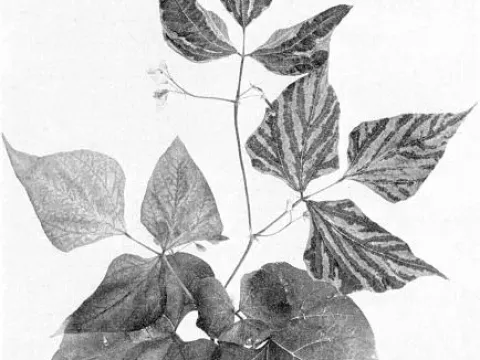
Bean common mosaic virus
Potyvirus phaseoluteum
The Bean common mosaic virus (BCMV) is a member of the Potyvirus genus, known for its filamentous particles. It is a highly contagious plant pathogen that significantly impacts legume production worldwide.
What the section contains
Bean common mosaic virus
The primary transmission route for BCMV is through infected seeds. The virus resides within the embryo, ensuring that the next generation of plants is already infected from the moment of germination.
Aphids are the main vectors that facilitate the horizontal spread of the virus. They acquire the pathogen while feeding on infected plants and transmit it to healthy ones through their stylets in a non-persistent manner.
The virus exhibits high genetic variability, leading to the development of various strains. This diversity makes it challenging for breeders to develop cultivars that provide long-term, broad-spectrum resistance.
BCMV is widely distributed across all major bean-growing regions. Its ability to persist in seeds and be carried by common insect pests makes it a persistent challenge for modern agriculture.
The hallmark symptom of BCMV is a mosaic-like pattern on the leaves, characterized by a patchy distribution of light and dark green areas. This discoloration is often accompanied by significant leaf deformation.
Infected leaves frequently show crinkling, puckering, or downward curling of the margins. The overall growth of the plant is stunted, and the internodes become noticeably shortened, giving the plant a bushy appearance.
Flowering is often delayed, and the number of pods produced per plant is significantly reduced. In some cases, the pods themselves may exhibit mosaic-like mottling or malformation, reducing the quality of the harvest.
Severe strains of the virus can cause systemic necrosis, often referred to as black root. This condition leads to the darkening of stems and leaf veins, resulting in rapid wilting and the total collapse of the plant.
The severity of symptoms often depends on the specific plant genotype, the virus strain, and environmental conditions at the time of infection. Younger plants are generally more vulnerable to the damaging effects of the virus.
The spread of BCMV is heavily influenced by the population dynamics of its aphid vectors. Warm temperatures generally favor rapid aphid reproduction, leading to increased pressure on bean fields.
The virus replicates optimally within plant tissues at temperatures ranging from +20 to +25 degrees Celsius. Under these conditions, viral titers increase rapidly, leading to the manifestation of clear symptoms.
High planting densities can create a humid microclimate that favors vector activity. In such conditions, aphids can move more easily from one plant to another, effectively transmitting the virus across the entire field.
Alternative hosts, including various weed species and wild legumes, can harbor both the virus and the aphid vectors during the off-season, acting as a constant source of infection for new crops.
Environmental stress, such as drought or excessive soil moisture, can weaken the plants' natural defense mechanisms, making them more susceptible to viral invasion and accelerating the progression of the disease.
BCMV causes substantial economic losses by reducing seed yields, often by 30 to 80 percent. The loss is particularly devastating when primary infection occurs early in the growth stage.
Beyond quantity, the quality of the harvested beans is severely compromised. Discolored, deformed, and undersized beans are often unmarketable, failing to meet the standards required for food processing or retail.
The use of infected seeds perpetuates the cycle of disease in the field. Once a farm is infested with BCMV, future harvests are at risk unless strict sanitary measures and the introduction of healthy seeds are implemented.
Viral infection leaves the plants immunocompromised, making them more vulnerable to secondary fungal or bacterial pathogens. This often leads to increased mortality rates and higher expenditure on additional protective sprays.
Farmers incur significant costs from managing aphid populations and discarding infected crops, highlighting the importance of preventative strategies in sustaining the profitability of bean production.
The most effective strategy against BCMV is the use of certified, virus-free seeds. Ensuring the starting material is pathogen-free significantly reduces the risk of primary outbreaks in the field.
Implementing a strict aphid control program is essential. Regular monitoring and the application of appropriate insecticides during the early stages of growth can prevent the widespread transmission of the virus.
Cultural practices, such as maintaining weed-free fields, are vital for limiting reservoirs of infection. Removing alternate hosts around the perimeter of the field helps to reduce the initial infection pressure.
Breeding and planting resistant bean varieties offer the most sustainable solution. Choosing cultivars specifically selected for resistance against prevalent local strains of BCMV is highly recommended for all bean producers.
In cases of isolated early-season infections, rogueing (removing and destroying) infected plants can help minimize the spread to healthy neighboring plants. This practice must be done carefully to avoid disturbing aphid populations.