
Peruvian tomato virus
Potyvirus perulycopersici
Description
Symptoms
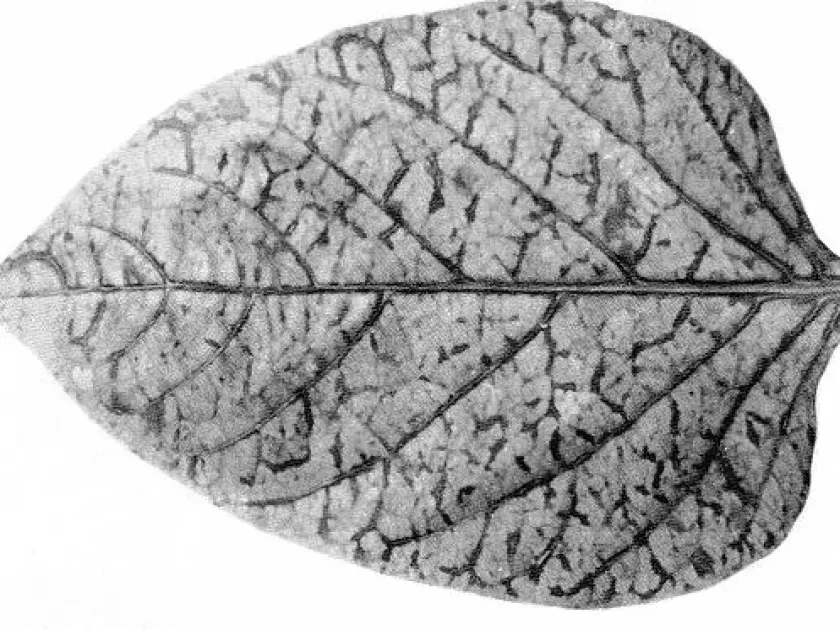
Typical symptoms include mosaic patterns on leaves, characterized by alternating light and dark green areas. Leaf distortion, blistering, and crinkling are common indicators of viral presence.
Stems may develop necrotic streaks or localized necrosis, often signaling a severe infection that disrupts the plant's vascular integrity and nutrient flow.
Affected plants exhibit stunted growth and shortened internodes, resulting in a bushy, compact, and clearly unhealthy plant architecture compared to healthy counterparts.
Fruits produced by infected plants are often undersized, deformed, and exhibit uneven ripening, which renders them unsuitable for commercial sale or processing.
Advanced stages of the disease manifest as systemic chlorosis, followed by premature leaf senescence and death, which significantly compromises the overall plant vigor.
Pathogen
The causal agent is the Peruvian tomato virus (PTV), a member of the Potyvirus genus in the Potyviridae family. It is a plant-pathogenic virus consisting of flexuous filamentous particles containing a single-stranded RNA genome.
The virus exhibits a non-persistent transmission mechanism. It is effectively acquired and transmitted by various aphid species that feed on infected plant tissues and rapidly carry the pathogen to healthy hosts.
Perennial weeds serve as a primary reservoir for the virus, maintaining it within the local environment during periods when primary tomato crops are not present.
In addition to insect vectors, the virus is highly transmissible mechanically. It can easily spread through contaminated equipment, clothing, and hands during standard cultivation practices like pruning.
The virus's ability to mutate allows it to overcome traditional breeding resistance, making continuous monitoring of regional virus strains essential for sustainable agriculture.
Conditions for development
High temperatures and humidity levels inside greenhouses create optimal conditions for the rapid multiplication and dispersal of aphids, the primary vectors of the Peruvian tomato virus.
The presence of unmanaged weed populations surrounding greenhouse facilities facilitates the initial introduction and subsequent maintenance of the virus throughout the growing season.
Improper sanitation during pruning, harvesting, and tying tasks promotes the mechanical transfer of the virus from infected plants to healthy ones throughout the entire greenhouse.
The movement of contaminated seedlings from infected regions into pathogen-free areas is a critical factor for the rapid spread of the virus on a larger scale.
High planting density in controlled environments increases the frequency of plant-to-plant contact, facilitating easier viral transmission through minor tissue wounds.
Why it matters
The primary economic impact is the significant reduction in fruit quality. Marketability is severely compromised due to persistent fruit deformities and stunted size.
Yield losses can range from 40% to 70% in severe cases, particularly if the initial infection occurs during the early vegetative stage of the plant's development.
Virus infection compromises the plant's natural defense mechanisms, making it increasingly susceptible to opportunistic fungal and bacterial pathogens, leading to further crop loss.
Additional costs are incurred for enhanced pest control measures and the necessary removal and destruction of infected symptomatic plants to prevent wider contamination.
The persistent nature of the virus in the environment often forces farmers to shift to less sensitive cultivars, which may have lower yielding potential or poorer organoleptic qualities.
Protection
Integrated Pest Management (IPM) is essential for effective control. Targeting aphid populations with systemic insecticides significantly reduces the risk of viral transmission.
Maintaining strict hygiene protocols is critical. Removing weeds from the periphery of growing areas eliminates vital alternate hosts for the virus.
- Only use certified virus-free seed or seedling stock.
- Sanitize all pruning tools and equipment between plants using a bleach or disinfectant solution.
- Install insect-proof netting on greenhouse vents to block the entry of aphid vectors.
- Rogue out and incinerate infected plants immediately upon the first appearance of symptoms.
- Implement proper quarantine measures for new plant materials entering the facility.
Discussion
No discussions yet — be the first.