
Petuvirus
Petuvirus
Petuvirus is a genus of plant viruses within the Caulimoviridae family. These pathogens are classified as pararetroviruses that contain a double-stranded DNA genome.
What the section contains
Petuvirus
The replication process of Petuvirus involves an RNA intermediate followed by reverse transcription, a complex mechanism characteristic of this family. It is a relatively recently characterized genus in phytopathology.
The virus is known for its ability to systemically infect the host plant. Once established, the viral particles utilize the plant's vascular system to spread throughout the entire organism.
Transmission mainly occurs through vegetative propagation. Infected cuttings or scions serve as the primary reservoir for spreading the virus into healthy nurseries.
The viral genome can integrate into the host's genetic structure, leading to a persistent, lifelong infection in the host plant. This makes elimination of the virus extremely difficult.
Rhododendrons are the primary hosts affected by Petuvirus. Symptoms can be highly variable, often making visual identification difficult without specific laboratory testing.
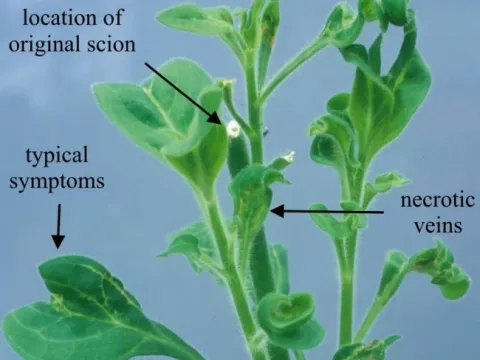
Common signs include leaf chlorosis, which may manifest as mosaic patterns, mottling, or light-colored spots. Leaf blades frequently become deformed, stunted, or unevenly shaped.
Infected rhododendrons exhibit stunted growth and an overall decline in vigor. The canopy becomes sparse, and the annual shoot growth is significantly reduced compared to healthy plants.
During the flowering stage, the number of buds produced decreases significantly. Flowers may appear deformed or show irregular color patterns, such as streaks or bleached spots.
Advanced stages of the infection may lead to localized or systemic tissue necrosis. Weakened plants become highly susceptible to secondary pathogens, including opportunistic fungi and bacteria.
The spread of Petuvirus is heavily influenced by nursery management practices. The most significant factor is the trade and distribution of asymptomatic but infected planting material.
Mechanical transmission via contaminated pruning tools is a major risk factor. Blades and shears that are not disinfected after use on an infected plant can transmit the virus to subsequent plants.
Insect vectors, such as aphids, are suspected to contribute to the spread of the virus within dense nursery environments. Their feeding activity can transmit particles from diseased to healthy rhododendrons.
Environmental stress, such as improper watering or overcrowding, weakens the plant's immune response, making it more susceptible to the manifestation of viral symptoms.
Long-distance transport and environmental fluctuations during re-potting often trigger the shift from latent infection to symptomatic disease expression in susceptible varieties.
Petuvirus causes substantial economic losses for nursery operators. The primary harm is the total loss of aesthetic value, rendering the plants unmarketable and requiring destruction.
Systemic infection lowers the overall resilience of rhododendrons, making them less capable of surviving harsh winter conditions. This increases the mortality rate of stock in production.
The virus poses a serious threat to germplasm conservation. An outbreak in a collection or breeding program can lead to the permanent loss of unique, valuable plant cultivars.
Because there are no curative treatments available, the management of the virus requires expensive testing and quarantine protocols, increasing the operational cost of the nursery.
International trade regulations and phytosanitary standards prohibit the movement of infected materials, creating barriers for nurseries and potentially disrupting global supply chains.
There are currently no chemical treatments available to cure a Petuvirus infection. Disease management is entirely dependent on strict preventative measures and hygiene protocols.
- Source planting material exclusively from certified, virus-tested nurseries.
- Sanitize all pruning tools thoroughly with alcohol or bleach solutions between plants.
- Promptly rogue and destroy any plants showing suspicious viral symptoms.
- Implement integrated pest management to control potential insect vectors such as aphids.
- Provide optimal growing conditions to minimize plant stress and enhance natural defense.
Regular molecular testing, such as PCR, is essential for early detection, as plants may be infected without showing visible symptoms for an extended period.
Quarantine periods for new plant arrivals are critical for protecting established collections. Maintaining a separation between new and existing stock helps contain potential outbreaks effectively.