
Aucuba mosaic virus
Potexvirus marmoraucuba
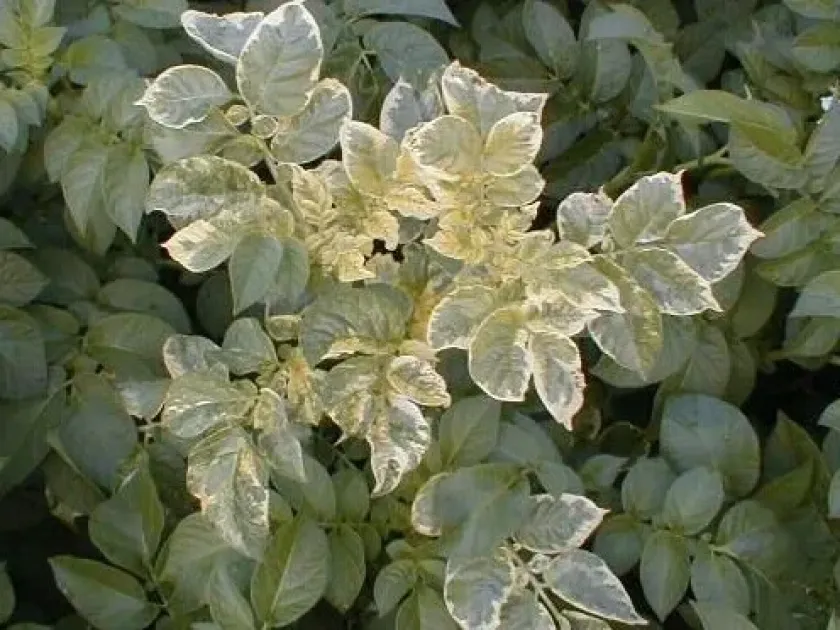
Description
Symptoms
Typical symptoms include distinct yellow or light green mottling and mosaic patterns on the leaves. These often appear as irregular blotches or spots scattered across the leaf surface.
As the virus progresses, leaf chlorosis becomes more pronounced. In severe cases, the foliage may become stunted, curled, or distorted in shape.
Infected plants often show reduced growth rates and shorter internodes, resulting in a stunted appearance compared to healthy specimens of the same species.
The aesthetic value of ornamental plants, particularly Aucuba japonica, is severely compromised due to the loss of natural color and leaf deformity.
Floral symptoms may also occur, including color breaking or unusual streaking on petals, which indicates a complete systemic invasion of the plant tissues.
Pathogen
The causative agent of the disease is the Aucuba mosaic virus (AuMV), a member of the Potexvirus genus. This virus contains single-stranded RNA and causes a systemic infection in various plant species.
The pathogen is highly stable and can persist in plant tissues for a long time, disrupting normal cellular functions and pigment synthesis.
Transmission occurs primarily through mechanical contact. This includes handling during pruning, grafting, or taking cuttings without proper sanitation of tools.
The virus does not rely on insect vectors for transmission in the same way many other plant viruses do, making human-assisted transfer the primary risk factor.
Lentent infections are common, meaning the virus may exist within the plant without showing obvious symptoms for a period, making early detection difficult.
Conditions for development
Warm temperatures accelerate the viral replication cycle within the host cells, leading to a faster development of symptoms during the growing season.
Crowded planting conditions facilitate contact between healthy and infected leaves, which promotes the spread of the virus throughout a collection or greenhouse.
Lack of proper sanitation procedures is the most critical condition that allows the virus to move from plant to plant through shared tools and equipment.
Plants suffering from poor nutrition or inadequate irrigation may exhibit more severe symptoms, as their ability to cope with viral stress is compromised.
Introducing new, unquarantined plant material into an established environment is the most frequent cause of new outbreaks.
Why it matters
The primary harm caused by the Aucuba mosaic virus is the degradation of the plant's aesthetic and commercial quality, making it unfit for sale.
The virus systemically weakens the plant, making it more susceptible to environmental stressors, secondary fungal infections, and pest damage.
In terms of long-term survival, infected plants often experience reduced vigor, less frequent flowering, and a decline in overall reproductive capacity.
In greenhouse settings, the virus can spread quickly if management practices are poor, potentially requiring the destruction of entire plant batches.
Since there is no chemical cure for viral infections in plants, the economic impact includes both direct loss of assets and costs associated with mitigation.
Protection
Prevention is the only effective management strategy. This includes strictly removing and destroying all infected plants as soon as they are identified.
Tools used for pruning and maintenance must be disinfected with alcohol or a strong bleach solution after every contact with a different plant.
Purchase only certified, virus-free stock from reputable nurseries to prevent the introduction of the pathogen into your garden or collection.
Maintain proper distance between plants to avoid accidental mechanical contact and keep the growing area clean from plant debris.
Implement a strict quarantine period for all new plant additions to ensure they are free of symptoms before placing them near existing healthy plants.
Discussion
No discussions yet — be the first.