
Jasmine yellow
Jasmine yellow
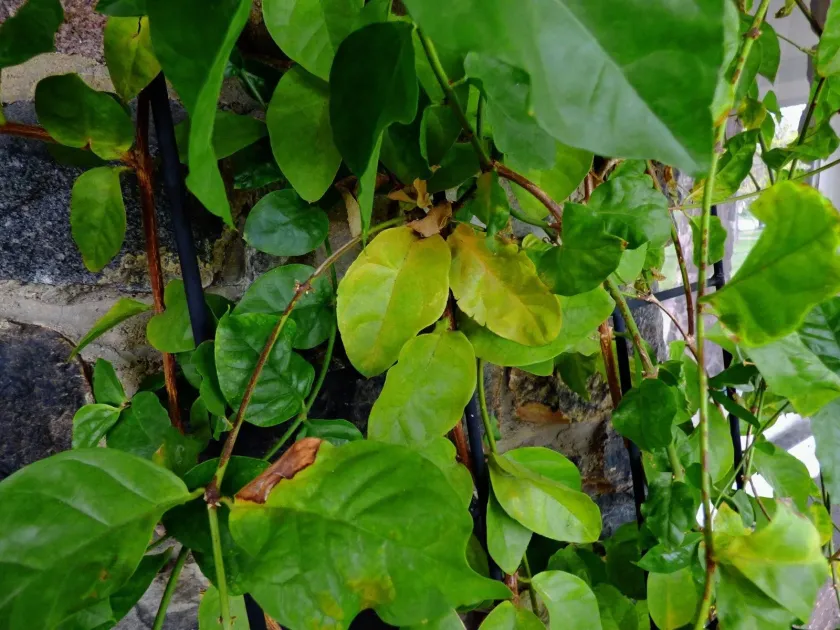
Description
Symptoms
The primary symptom is leaf chlorosis, which manifests as a gradual yellowing of the foliage. This discoloration is distinct from nutritional deficiencies, as it often progresses unevenly across the plant canopy.
An abnormal proliferation of axillary buds leads to the formation of dense, cluster-like growths often referred to as "witches' brooms." These branches are typically stunted, brittle, and incapable of normal growth.
Flowers often exhibit virescence, a condition where petals transform into green, leaf-like structures. Floral development is usually severely impacted, resulting in buds that fail to open or drop prematurely, depriving the plant of its aesthetic value.
Leaves may become deformed, curled, or asymmetrical as the disease progresses. The plant tissue loses its vitality and turgor, eventually becoming brittle and prone to secondary infections from opportunistic fungi.
- Progressive chlorosis or yellowing of foliage.
- Dwarfism and formation of witches' brooms.
- Green, deformed, or sterile flowers.
- Severe stunting and reduced biomass.
Pathogen
The causative agent of this disease is a phytoplasma, a specialized obligate parasite that colonizes the phloem tissue of host plants. These prokaryotic microorganisms lack a cell wall and cause severe systemic disruptions to the plant's vascular system.
The disease is primarily transmitted by sap-sucking insects, such as leafhoppers and planthoppers. Once an insect acquires the phytoplasma by feeding on an infected plant, it remains a vector for the duration of its life, spreading the pathogen to healthy specimens.
Within the host, the phytoplasma interferes with the translocation of sugars and nutrients. By inhibiting the sieve tubes, it cuts off the food supply from the leaves to the roots, causing the systemic decline of the shrub.
Phytoplasmas are notoriously difficult to manage because they integrate into the plant's metabolic pathways. Currently, there is no chemical cure capable of eliminating the phytoplasma once it has established a systemic infection within the shrub.
Vegetative propagation is a significant pathway for the spread of this disease. Using cuttings from a diseased jasmine bush ensures that the progeny will also carry the phytoplasma, perpetuating the infection within nursery stocks.
Conditions for development
Environmental conditions that favor the proliferation of insect vectors are critical for the spread of Jasmine yellow. Hot, dry weather accelerates both the insect feeding activity and the replication of the phytoplasma within the host.
Poorly ventilated planting sites allow for the rapid buildup of leafhopper populations. High-density plantings provide an ideal environment for the vectors to move easily between plants, facilitating the rapid transmission of the pathogen.
The presence of common weeds in the vicinity of jasmine bushes acts as a reservoir for the disease. These weeds often harbor the phytoplasma silently, acting as a bridge for the infection to leap onto cultivated jasmine plants.
Over-fertilization with nitrogenous compounds produces succulent growth that is highly attractive to sap-sucking insects. This increased feeding activity elevates the frequency of inoculation events, leading to a higher incidence of the disease.
Plants subjected to environmental stress, such as drought or physical damage, have compromised defense mechanisms. This weakness makes the jasmine more susceptible to the phytoplasma colonization once the vector injects the pathogen.
Why it matters
Jasmine yellow causes the gradual decline and eventual death of the affected shrub. Because the phloem is destroyed, the plant is unable to sustain its root system, leading to a slow and inevitable death.
The loss of decorative appeal renders the infected plants useless in landscaping. Even in the early stages, the disruption of flowering and the stunted growth pattern make the plant undesirable for gardens.
As an infectious disease, a single infected bush poses a significant risk to the entire garden collection. Without intervention, the phytoplasma can spread to other sensitive woody plants via common insect vectors.
There is no effective cure for the disease, making the economic loss complete. Growers must discard and replace affected specimens, which entails significant costs in labor, soil sanitation, and plant replacement.
The pathogen's ability to persist in the root system and survive in weeds complicates the situation. It forces a complete overhaul of the planting area to ensure the infection does not persist in the environment.
Protection
The primary control measure is the immediate rogueing and removal of infected plants, including the entire root system. Destroying the plant by burning or deep burial is essential to prevent it from serving as a source of inoculum.
Effective management of insect vectors is crucial. The application of systemic insecticides during the peak activity of leafhoppers can significantly reduce the rate of new infections in healthy jasmine bushes.
Maintaining a clean garden environment is a fundamental preventive step. Regular weeding around the base of the shrubs helps reduce the number of alternative hosts and reservoirs for the phytoplasma.
Strict biosecurity and the sourcing of high-quality, disease-free nursery stock are necessary to prevent the initial introduction of the disease. Avoid propagating jasmine from bushes that show any signs of suspicious growth.
Implementing a balanced fertilization program helps maintain the overall health and vigor of the jasmine. Strong, healthy plants may have a slightly better capacity to withstand stress, though this does not provide immunity to the phytoplasma.
Discussion
No discussions yet — be the first.