
Furovirus
Furovirus
Furovirus is a genus of plant viruses characterized by rod-shaped particles containing single-stranded RNA. The name is derived from "fungus-transmitted rod-shaped virus," which highlights their unique transmission mechanism.
What the section contains
Furovirus
These viruses are transmitted by soil-borne fungal vectors, most notably Polymyxa graminis, a plasmodiophorid protist. The virus persists within the resting spores of this fungus in the soil for many years.
The transmission process occurs when the fungal zoospores, which carry the viral particles, come into contact with the root hairs of a susceptible host plant, initiating infection.
Because the vector is highly persistent, the virus can remain viable in agricultural fields long after the infected host crop has been harvested, making it a difficult pathogen to eradicate.
Furoviruses typically have multipartite genomes, which facilitate their systemic movement and replication within the vascular tissues of the infected plant.
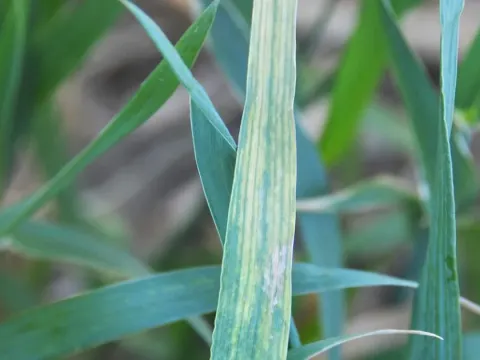
The primary symptom of a Furovirus infection is a mosaic pattern on the leaves, appearing as yellow, light green, or white streaks and mottled spots, often parallel to leaf veins.
Infected plants exhibit stunted growth, reduced tillering, and an overall loss of vigor, leading to uneven crop stands across the affected fields.
Symptoms are most pronounced during the early spring as the crop resumes active growth, often appearing in distinct patches where the fungal vector population is high.
In severe cases, leaf tips may show signs of yellowing or chlorosis, and the entire plant may appear smaller and less developed compared to neighboring healthy plants.
While the symptoms can mimic nutrient deficiencies or environmental stress, the persistent mosaic pattern is a hallmark indicator of viral involvement in cereals.
The development and spread of Furovirus are entirely dependent on the presence and activity of the fungal vector Polymyxa graminis, which thrives in specific soil conditions.
Cool, wet soil conditions, particularly during the autumn sowing season or in early spring, provide the optimal environment for the release and movement of fungal zoospores.
Heavy, poorly drained soils are particularly susceptible to high infection rates because the standing water facilitates the migration of the vector to the plant roots.
Early planting of winter cereals increases the window of opportunity for infection, as young roots are exposed to the vector for a longer duration under favorable temperature ranges.
Environmental factors that promote high humidity at the soil surface contribute significantly to the build-up of the vector population, thereby increasing the prevalence of the disease.
The economic impact of Furovirus is substantial, with yield losses ranging from 10% to over 50% in heavily infested fields depending on the variety's susceptibility.
Infection results in fewer productive tillers, reduced grain size, and poorer overall quality, which negatively impacts the market value and processing characteristics of the harvest.
Plants affected by Furovirus show decreased cold tolerance, making them more susceptible to winter-kill during harsh weather, which further thins the crop stand.
Since the virus is soil-borne and persistent, it restricts land use options, as farmers may be unable to grow highly susceptible varieties on infested ground for many years.
The presence of the disease complicates farm management, requiring extra effort to maintain productivity and potentially forcing a shift toward less profitable crop rotations.
The most effective management strategy is the use of genetically resistant or tolerant cultivars, which successfully limit the impact of the virus on yield.
While crop rotation is a standard practice, it is often of limited success due to the extraordinary longevity of the resting spores of the fungal vector in the soil.
Adjusting planting dates to avoid the peak activity window of the fungal vector can help reduce the initial infection pressure on the emerging crop.
Field drainage improvements and soil management practices that prevent waterlogging help create a less hospitable environment for the fungal vector, reducing the spread of the virus.
As there are no chemical pesticides that can cure an established viral infection, integrated disease management focusing on prevention and resistant germplasm is essential.