
Fuchsia latent virus
Fuchsia latent
Description
Symptoms
The hallmark of this disease is its latent nature, meaning most infected plants remain asymptomatic. They appear healthy and vigorous, effectively acting as hidden reservoirs for the virus.
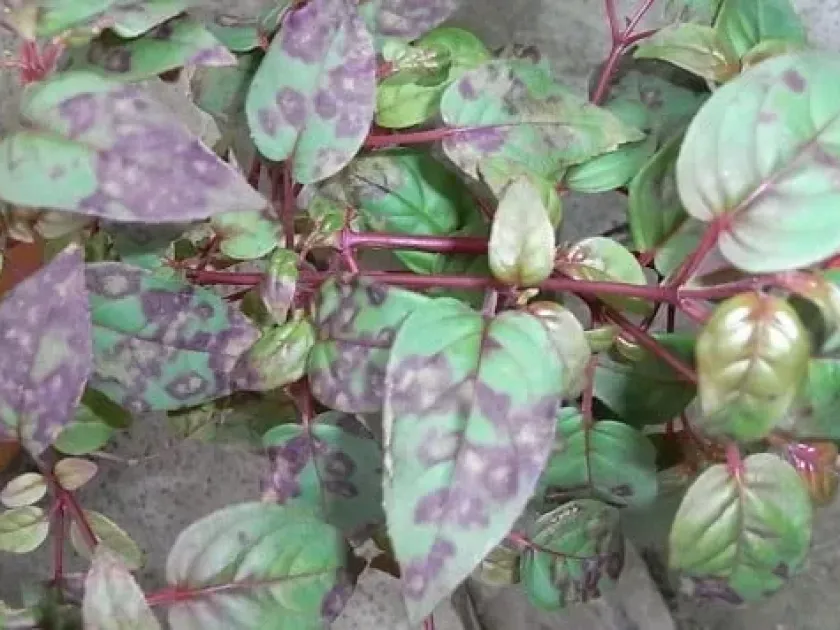
When symptoms do occur, they usually manifest as mild chlorotic spots or a subtle mosaic pattern on the leaves. Such signs are often ephemeral and appear only under specific environmental stress conditions.
Leaf deformation or slight asymmetry might be observed in sensitive cultivars. These physical changes are often overlooked by casual gardeners, who may attribute them to nutrient deficiencies or lighting issues.
Environmental fluctuations, such as improper irrigation or temperature stress, can occasionally trigger more visible symptoms. When conditions stabilize, the plant may revert to a seemingly healthy appearance.
Even in the absence of visible spots, the presence of the virus can impair the plant’s overall metabolic performance, potentially affecting the quality and quantity of blooms over time.
Pathogen
Fuchsia latent virus (FLV) is the causal agent of this viral disease. As the name suggests, it is a phytopathogen known for its ability to persist in host tissues without triggering significant symptoms.
Transmission occurs primarily through vegetative propagation. Infected cuttings taken from symptomatic or asymptomatic mother plants remain the most common way for the virus to spread within nurseries.
Contaminated pruning tools can act as mechanical vectors for the virus. If a tool is not sanitized between plants, the viral particles can easily be transferred from a latent carrier to a healthy plant.
Biological studies suggest that while some fuchsia-infecting viruses have vectors, the specific transmission dynamics of FLV are largely associated with human activity and propagation techniques rather than insect vectors.
Laboratory diagnostics, including PCR and ELISA tests, are essential for professional growers to identify the presence of the virus, as clinical symptoms are frequently absent or too subtle to be observed.
Why it matters
The primary concern with Fuchsia latent virus is the degradation of planting material quality. Infected stocks represent a significant risk to the horticultural industry and plant collections.
Viral infection acts as a physiological stressor that weakens the plant's immune system. This makes infected fuchsias more prone to secondary infections by various fungal and bacterial pathogens.
In commercial settings, the disease leads to significant economic loss due to the requirement to discard entire batches of infected plants to prevent further spread within a greenhouse facility.
Infected plants may show reduced vitality, characterized by slower growth and diminished root development. This prevents the plants from reaching their full potential, resulting in smaller, less vibrant flowers.
The lack of visible symptoms makes the virus a particularly dangerous threat, as growers might propagate and sell infected plants, unknowingly spreading the pathogen throughout the entire supply chain.
Protection
The cornerstone of management is the use of virus-indexed, certified disease-free propagation material. Sourcing plants from reputable nurseries significantly reduces the risk of accidental introduction.
Rigorous sanitation protocols must be followed. All pruning tools must be disinfected with alcohol or other effective sanitizers between every single plant to prevent mechanical transmission.
Quarantine new additions to your collection. Keeping new plants isolated for a period allows you to observe them for any suspicious signs of disease before integrating them with established collections.
Promptly rogue and discard any plants exhibiting symptoms or suspected of being infected. Once a plant is infected with a latent virus, it cannot be cured, and it poses a constant risk to neighbors.
Maintain optimal growing conditions to minimize plant stress. While this does not eliminate the virus, healthy plants are better able to tolerate and compensate for the presence of latent pathogens.
Discussion
No discussions yet — be the first.