
Duplodnaviria
Duplodnaviria
Duplodnaviria is a broad taxonomical realm of viruses defined by the presence of a double-stranded DNA genome within their viral particles.
What the section contains
Duplodnaviria
In the field of phytopathology, this group encompasses significant viral agents capable of infecting a wide range of essential agricultural crops.
A distinctive biological feature of these viruses is the encoding of specialized proteins necessary for genome packaging within the viral capsid.
These viruses often cause systemic infections, spreading throughout the plant vascular system and disrupting fundamental metabolic processes.
Due to the high genetic diversity within this realm, developing broad-spectrum treatments remains a significant challenge for researchers.
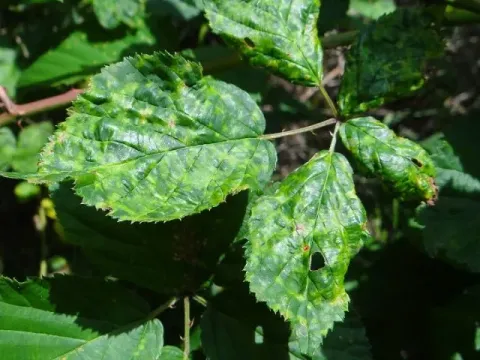
The most common symptoms include mosaic patterns on leaves, characterized by variegated light and dark green areas due to chlorophyll depletion.
Plants frequently exhibit systemic deformations, including curling, puckering, or significant changes in the morphology of leaves and stems.
Stunted growth is a hallmark of viral infection, leading to a visible difference between infected plants and healthy counterparts in a field.
Necrotic spots or localized tissue death can occur on leaves, which may eventually lead to the premature senescence of the entire plant organ.
Reproductive development is often compromised, resulting in poor fruit set, reduced size, and loss of quality in the harvestable produce.
The spread of Duplodnaviria viruses in agricultural environments is primarily mediated by insect vectors, such as aphids, thrips, and leafhoppers.
Optimal conditions for disease outbreaks typically involve warm weather, which accelerates the life cycle and movement of these vectors.
Weedy areas and reservoir plants serve as primary sources of infection, allowing the virus to persist during the off-season in field margins.
Improper cultivation practices, such as excessive plant density, create humid microclimates that favor the transmission of viral particles.
Mechanical transmission can occur through contaminated tools, equipment, or even direct contact between plant parts in high-density plantings.
The primary economic impact is the severe reduction in crop yield, which can lead to substantial financial losses for commercial producers.
Infected crops suffer from reduced marketability due to aesthetic defects, making them unsuitable for fresh produce sale or processing.
Increased susceptibility to secondary pathogens, such as fungal and bacterial infections, further exacerbates the damage caused by the virus.
The persistence of these viruses in plant materials can lead to the total loss of valuable cultivar traits over successive growing seasons.
Costs associated with pest control and eradication efforts add significantly to the overall input costs for managing affected farmland.
The most effective strategy is the exclusive use of virus-free, certified planting material sourced from reputable nurseries.
Rigorous management of insect vectors through targeted insecticide applications is crucial to breaking the chain of viral transmission.
Strict field sanitation, including the prompt roguing and destruction of infected symptomatic plants, helps to limit the local disease spread.
Implementing effective crop rotation cycles disrupts the long-term survival of viral vectors and host-dependent viral populations.
Regular monitoring of field conditions and early detection of symptoms are essential for preventing a large-scale epidemic within the crops.