
Dioscorea yellow mosaic virus
Macluravirus dioscoreaflavitessellati
Description
Symptoms
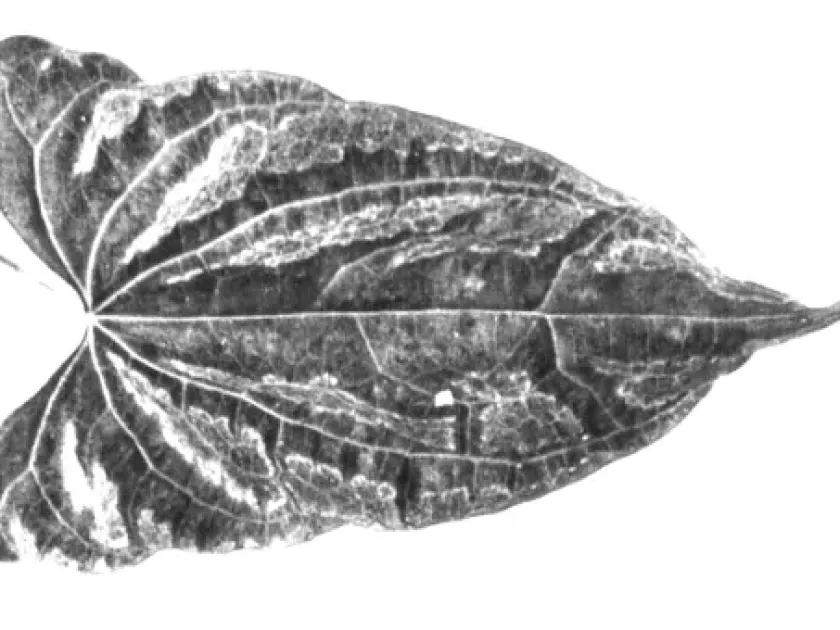
The most diagnostic sign is a distinct mosaic pattern on the leaves, characterized by a variegated appearance with intermingled patches of yellow, light green, and dark green tissue.
Infected plants often exhibit morphological abnormalities, including leaf distortion, curling, and puckering, which significantly reduce the functional photosynthetic area.
Stunting is a common systemic symptom, where infected plants display reduced internode length, smaller leaf size, and an overall decrease in biomass compared to healthy specimens.
Chlorotic spots or streaks may appear on the foliage in early stages, often evolving into more generalized yellowing as the viral load within the plant tissue increases.
Visual symptoms can vary depending on the specific yam cultivar, the timing of the initial infection, and the environmental stress factors present during the growing season.
Pathogen
The causal agent is the Dioscorea yellow mosaic virus (DYMV), a member of the genus Macluravirus within the Potyviridae family. It is a single-stranded RNA virus that specifically targets yam crops.
This virus is a systemic pathogen, meaning it moves through the phloem to infect the entire plant, disrupting essential metabolic pathways including photosynthesis.
Transmission occurs primarily through aphid vectors in a non-persistent manner, where insects acquire the virus after short feeding periods and transmit it to healthy plants immediately.
Mechanical transmission is also a significant factor, occurring through contaminated agricultural tools or contact between healthy and infected foliage during cultivation.
The virus is predominantly maintained in the tubers, which serve as the primary reservoir for infection in vegetatively propagated yam crops across successive planting seasons.
Why it matters
The economic impact of the Dioscorea yellow mosaic virus is significant, primarily due to drastic reductions in tuber yield and overall harvest quality.
Infected yams produce smaller, malformed, and less nutritious tubers, which are often unsuitable for both commercial market sale and long-term storage.
The physiological stress caused by the virus weakens the host plant, making it significantly more susceptible to opportunistic fungal and bacterial pathogens during post-harvest storage.
As the virus spreads systemically, the entire plant loses vigor, resulting in poor canopy development and a diminished capacity for root tuber accumulation.
Repeated use of infected tubers for planting leads to an annual increase in the viral incidence, eventually rendering the field economically non-viable if left unmanaged.
Protection
The cornerstone of disease management is the utilization of clean, virus-indexed seed tubers produced through tissue culture techniques to ensure initial pathogen-free status.
Rigorous field sanitation is essential; growers must identify and rogue out symptomatic plants as soon as they appear to prevent the virus from spreading to neighboring healthy crops.
Integrated Pest Management (IPM) strategies, including the timely application of insecticides to control aphid populations, are necessary to break the cycle of virus transmission.
Proper cleaning and sterilization of farm tools and machinery between fields prevent the mechanical spread of the virus by workers and equipment.
Maintaining spatial separation between older, potentially infected plots and new plantings is crucial to prevent the migration of insect vectors from high-infection sites.
Discussion
No discussions yet — be the first.