
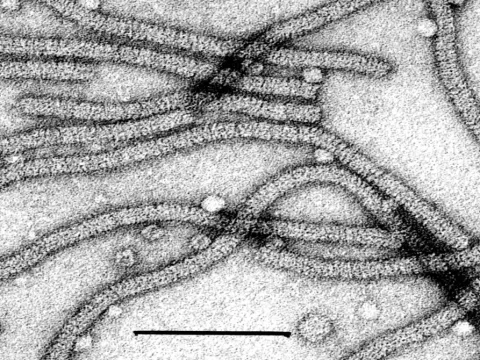
Commelina virus
Commelina virus
Commelina virus (ComV) is a plant pathogenic virus belonging to the genus Potyvirus, a major group within the Potyviridae family.
What the section contains
Commelina virus
As an obligate parasite, it requires the cellular machinery of a susceptible host plant to facilitate its replication cycle and spread throughout tissues.
The virus primarily utilizes common weed species within the Commelinaceae family as environmental reservoirs to persist during off-seasons.
Vector-borne transmission is the most significant method of spread, with various species of aphids acquiring the virus while feeding on infected sap.
Mechanical transmission is also a critical factor, as the virus can easily move from infected to healthy plants via contaminated tools, equipment, or handling.
The most distinctive symptom is the development of a mosaic pattern on leaves, characterized by alternating patches of light and dark green tissue.
Infected leaves often show signs of malformation, including curling, twisting, and a reduction in overall leaf surface area.
Stunted growth is a hallmark of the infection, with affected plants appearing noticeably smaller and less vigorous than their healthy counterparts.
Chlorosis, or yellowing of the leaf tissue, frequently occurs, which impairs the plant's ability to efficiently conduct photosynthesis.
In some cases, necrotic spots can develop on older leaves, eventually leading to premature tissue death and leaf drop.
The virus induces systemic infection, leading to a general decline in the plant's physiological condition and long-term metabolic health.
Reductions in photosynthetic efficiency directly result in lower biomass production, compromising the yield potential of agricultural crops.
For ornamental plants, the virus ruins their aesthetic value, rendering them unsuitable for commercial sale or landscape application.
Viral infection increases the plant's susceptibility to opportunistic pathogens, creating a compounded disease pressure on the crops.
The cumulative damage often leads to the gradual decline of the plant population, requiring expensive replanting and management interventions.
Integrated pest management focusing on the control of aphid populations is essential to reduce the rate of virus transmission in the field.
Eliminating reservoir weed hosts, such as wild Commelina species, from the vicinity of crop areas is a vital prophylactic measure.
Rigorous sanitation protocols, including the thorough disinfection of pruning shears and other tools, must be enforced to prevent mechanical spread.
Utilizing certified, virus-free plant materials for propagation significantly lowers the risk of introducing the virus into a new area.
Regular field inspections allow for the early detection and roguing of infected plants, which helps to contain the spread of the virus.