
Solanum leaf curl virus
Begomovirus solanumaustraliaense
The disease is caused by the virus genus Begomovirus, which contains single-stranded DNA and is known for rapid evolution.
What the section contains
Solanum leaf curl virus
This is a systemic viral infection that affects the vascular system, significantly impeding the plant's metabolic functions.
It predominantly infects members of the Solanaceae family, with tomatoes, peppers, and potatoes being the most susceptible crops.
The virus is primarily transmitted by the silverleaf whitefly (Bemisia tabaci) in a persistent, circulative manner.
Weeds and perennial hosts serve as crucial reservoirs for the virus, allowing it to overwinter and spread to new crops each season.
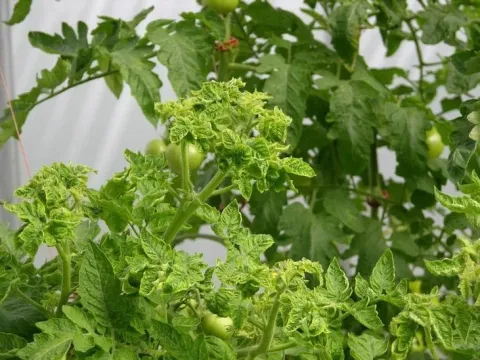
The primary symptom is the upward or inward curling of leaf margins, often referred to as leaf curling or boat-shaped leaves.
Leaves exhibit significant chlorosis, appearing yellowish, thickened, and stunted compared to the foliage of healthy, vigorous plants.
Infected plants show severe growth retardation, often appearing dwarfed with shortened internodes and stunted apical meristems.
Flowering is usually restricted or absent, and fruits that do develop are frequently distorted, small, and of poor commercial quality.
- leaf margin curling;
- foliar chlorosis;
- plant stunting;
- deformed fruits;
- suppressed floral development.
The spread of the disease is strictly correlated with the population dynamics of the whitefly vector in the field or greenhouse.
Warm temperatures and dry conditions favor the rapid reproduction of whiteflies, leading to increased transmission rates.
Poor sanitation practices, such as failing to manage host weeds, provide a persistent infection source throughout the growing year.
Intensive cropping systems in protected environments (greenhouses) allow the virus and its vector to circulate continuously.
Lack of crop rotation and the presence of infected neighboring crops create high-risk environments for widespread outbreaks.
The virus causes severe yield losses, as plants infected at a young stage often fail to produce any marketable fruit whatsoever.
Economic damage is substantial because the fruits produced are often malformed, leathery, and nutritionally inferior, making them unsellable.
The viral stress drains the plant's resources, leaving it highly susceptible to secondary pathogens and further environmental pressure.
In regions where the whitefly is endemic, this virus can jeopardize the entire production of tomatoes and other nightshade crops.
As there is no cure for viral infection, the financial burden of replacing crop stands adds to the overall loss for producers.
Effective management requires rigorous control of the whitefly population using both chemical insecticides and biological control agents.
Deploying yellow sticky traps is a vital diagnostic tool for monitoring whitefly presence and triggering timely preventive applications.
Sanitation is paramount: removing weeds and debris from the vicinity of cultivation areas reduces primary infection sources significantly.
Cultivation of resistant or tolerant cultivars is the most sustainable approach to minimizing the impact of the disease in high-risk zones.
Rogueing infected plants by immediate removal and destruction is essential to limit the virus spread within the crop population.