
Sida yellow mosaic virus
Begomovirus sidaflavavariati
Sida yellow mosaic virus (SiYMV) is a significant plant pathogen belonging to the Begomovirus genus within the Geminiviridae family. It contains a single-stranded circular DNA genome that primarily infects plants in the Malvaceae family.
What the section contains
Sida yellow mosaic virus
The virus is exclusively transmitted by the whitefly Bemisia tabaci in a persistent manner. After acquiring the virus from an infected plant, the whitefly retains the ability to inoculate healthy hosts throughout its lifespan.
The viral genome is highly efficient at utilizing host cell machinery for replication. Once introduced into the plant tissue via the phloem, the virus spreads systemically, leading to chronic infection of the entire plant structure.
Genetic recombination is a hallmark of this virus, often involving other begomoviruses. This high level of genetic diversity makes the pathogen difficult to manage through conventional breeding programs.
The relationship between the virus and its vector is highly specific, which dictates the epidemiological patterns of the disease in agricultural environments. The virus is capable of surviving in various weed hosts during the off-season.
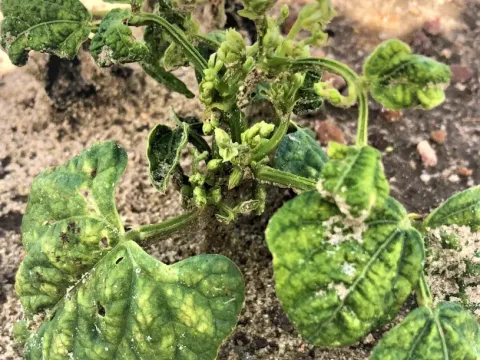
The most characteristic symptom is a bright yellow mosaic pattern on the leaves, caused by uneven distribution of chlorophyll. This often manifests as yellow patches, stippling, or chlorotic streaks on the foliage.
Infected plants typically show severe stunting, characterized by shortened internodes and a reduced canopy size. The overall structural integrity of the plant is compromised as the virus disrupts normal development.
Leaf curling, crinkling, and distortion are frequently observed, which significantly reduce the leaf surface area available for photosynthesis. This depletion leads to reduced carbohydrate production and weakened plant health.
Reproductive success is severely impaired, with many infected plants showing premature abscission of flower buds and fruits. This leads to a substantial decrease in crop quality and yield.
While mosaic symptoms are visually distinct, they can sometimes be confused with nutrient deficiencies or other viral infections. Definitive diagnosis requires molecular methods such as PCR to identify specific viral sequences.
The spread of the disease is heavily dependent on the presence and activity of Bemisia tabaci. Warm, humid climates facilitate rapid whitefly reproduction and high population densities, favoring viral outbreaks.
Agricultural areas with intense irrigation systems often experience higher viral pressure, as these systems maintain weed hosts that serve as reservoirs for the virus. These reservoirs act as breeding grounds for vectors.
High planting densities can exacerbate the spread of the virus by providing a continuous canopy for whiteflies to migrate and feed. This increases the chances of transmission between neighboring plants.
The presence of wild Sida species near croplands is the most critical factor for the initial infection cycle. These weeds maintain the virus in the environment throughout the entire year.
Optimal temperatures for the vector and the virus usually range between 25°C and 30°C. Fluctuations in seasonal patterns can change the timing of infestations, making management cycles unpredictable.
The economic impact of SiYMV is significant, as it can cause total loss of marketable produce in susceptible crops. The reduction in yield is often compounded by the poor appearance of any remaining fruit.
Systemic viral infection forces plants to redirect energy from growth and reproduction to defense and survival. This physiological stress makes the plants more susceptible to secondary pathogenic attacks.
The presence of this virus can lead to the implementation of strict quarantine regulations, which may restrict the movement and trade of plant materials within and between regions.
Chronic infestation of perennial plantations leads to a long-term decline in productivity, ultimately necessitating the removal and replacement of entire orchards or fields.
The cost of managing SiYMV includes not only crop losses but also high expenditures on insecticide applications and intensive monitoring of whitefly populations throughout the growing season.
Integrated Pest Management (IPM) is the most effective approach for controlling this virus. Prioritizing the use of healthy, virus-free certified planting material is essential to prevent initial outbreaks.
Strict weed control, specifically targeting the removal of wild Sida species and other Malvaceae plants around the farm perimeter, helps eliminate the inoculum sources.
Managing the whitefly population is critical. Systemic insecticides, when used judiciously, can control vector numbers, and yellow sticky traps serve as effective tools for population monitoring.
Physical barriers, such as insect-proof nets in greenhouses, effectively prevent whitefly migration and protect young, vulnerable plants. These barriers are standard in high-value horticulture.
Genetic resistance is the ultimate goal of long-term control strategies. Breeders are currently working on developing resistant cultivars that can tolerate the virus and maintain stable yields under disease pressure.