
Ageratum enation virus
Begomovirus agerasrilankaense
The causal agent is Ageratum enation virus (AEV), a member of the Begomovirus genus within the Geminiviridae family, characterized by a circular single-stranded DNA genome.
What the section contains
Ageratum enation virus
Transmission occurs exclusively through the whitefly Bemisia tabaci in a semi-persistent manner, meaning the virus resides in the insect for a specific duration after acquisition.
The virus cannot be transmitted mechanically through pruning or manual handling, nor is it known to be seed-borne in most host species.
Upon ingestion of plant sap from an infected host, the virus travels through the insect's digestive tract to the salivary glands before being transmitted to healthy plants.
The high genetic plasticity of this virus allows for rapid evolution and adaptation to a broad range of host plants, increasing its agricultural threat.
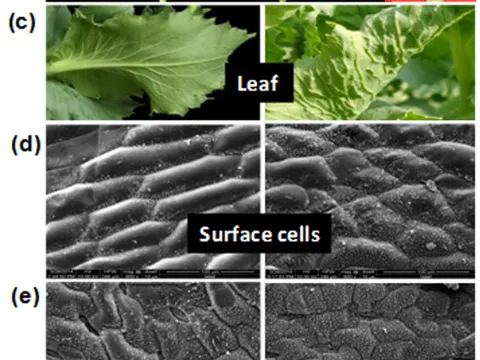
Typical symptoms include distinct leaf mosaic patterns, yellowing, and chlorotic spotting that disrupts photosynthesis.
A hallmark sign of AEV infection is the development of enations, which are small, leafy outgrowths on the underside of the leaves.
Infected plants display severe leaf deformation, curling, and significant stunting, which alters the overall canopy architecture.
Shortened internodes give the plant a bushy or stunted appearance, significantly reducing its vigor and growth potential.
Reproductive success is severely compromised, with delayed flowering, flower drop, and malformed, unmarketable fruits or flowers.
The spread of the virus is strictly dependent on the population density and activity of its vector, the silverleaf whitefly.
Warmer temperatures significantly accelerate the life cycle of the whitefly, leading to exponential population growth and increased viral transmission.
The presence of wild host plants and weeds throughout the year acts as a reservoir for the virus, ensuring a continuous source of inoculum.
Human-mediated movement of infested planting material contributes to the geographic spread of the virus over long distances.
Agricultural practices that promote monoculture without break periods facilitate the build-up of both the vector and the virus in the environment.
The virus poses a substantial economic risk to solanaceous crops like tomatoes and peppers, as well as several ornamental flowering species.
Yield losses can be catastrophic, often reaching total crop failure in susceptible varieties if infection occurs early in the season.
The visual quality of flowers and fruits is severely degraded, rendering them ineligible for commercial sale in premium markets.
Infection induces chronic physiological stress, making the host plants more susceptible to secondary fungal or bacterial pathogens.
The necessity for frequent insecticide applications to control the vector increases production costs and may lead to environmental concerns.
Integrated Pest Management (IPM) is essential, focusing on rigorous control of the whitefly population through synthetic and biological insecticides.
Prioritizing the use of virus-resistant or tolerant crop cultivars is the most effective long-term strategy for mitigating disease impact.
Cultural practices, such as clearing weed hosts and implementing crop-free periods, help reduce the primary inoculum pressure.
In protected cultivation, the use of insect-proof screens and reflective mulches is recommended to deter whitefly colonization.
- Regular monitoring of vector populations using yellow sticky traps.
- Rotation of insecticides to manage and prevent the development of pesticide resistance in whiteflies.
- Immediate removal and destruction of symptomatic plants to minimize the spread to healthy neighbors.