
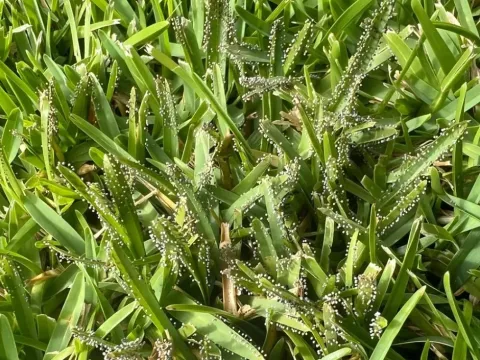
Dictyosteliaceae
Dictyosteliaceae
Dictyosteliaceae is a family of soil-dwelling organisms commonly known as cellular slime molds. These microorganisms spend most of their life cycle as independent amoeboid cells moving through the soil film, feeding primarily on bacteria found in the rhizosphere.
What the section contains
Dictyosteliaceae
In the context of agricultural science, they are not classified as primary plant pathogens but rather as opportunistic organisms that interact with the plant's root environment. Their presence can significantly alter the composition of the soil microbiome.
Their biological cycle is fascinating, involving the aggregation of thousands of cells into a pseudo-plasmodium when conditions require survival or migration. This structure allows them to navigate soil pores and survive environmental stressors.
The impact of Dictyosteliaceae is linked to their diet; by consuming bacteria associated with plant roots, they disrupt the symbiotic relationships between the plant and the soil microflora that facilitate nutrient uptake.
Agronomists often view them as indicators of disturbed soil conditions. While they rarely kill plants outright, their presence often correlates with poor soil management and a shift toward an unfavorable micro-ecosystem.
The development of Dictyosteliaceae is favored by high soil moisture levels and poor drainage. They flourish in environments where the soil is saturated or poorly aerated, creating a film of water necessary for their movement.
The availability of decaying organic matter is the primary driver of their population growth. Fresh manure or poorly composted materials provide a rich food source for the bacteria that these slime molds prey upon.
Optimal temperatures for their activity range from 20 to 25 degrees Celsius. In such climates, their population densities can increase rapidly, especially in greenhouses or intensive field production systems.
Soil compaction significantly promotes their dominance. When soil structure is lost, oxygen levels drop, favoring the anaerobic or micro-aerophilic bacteria that Dictyosteliaceae consume.
Seasonal weather patterns, specifically heavy rains or flooding, create spikes in their activity. Once the soil dries out, they form resistant spores, allowing them to remain dormant until the next wet period arrives.
The harm caused by Dictyosteliaceae is indirect but cumulatively significant. By grazing on beneficial rhizosphere bacteria, they interfere with the mineralization of nutrients required by plant roots.
Affected plants often display symptoms of nutritional stress, such as yellowing leaves or stunted growth. This happens even in soils that are chemically fertile, because the "biological bridge" for nutrient uptake has been compromised.
Seedlings are particularly vulnerable during the early stages of development. Their limited root systems are easily affected by the loss of protective bacterial colonies, leaving them open to secondary infections from fungi.
In agricultural settings, the presence of these slime molds can lead to uneven crop development. This inconsistency impacts the harvest efficiency and requires additional management inputs to correct the soil balance.
Prolonged exposure to these organisms contributes to "soil fatigue." Over time, the cumulative impact on root health leads to reduced total yield and lower market quality of the harvested produce.
Effective management begins with improving soil drainage. Ensuring that irrigation practices do not leave the soil waterlogged is the most critical step to reducing their activity.
The use of fully stabilized compost is essential to remove the bacterial surplus that fuels slime mold growth. Avoid incorporating fresh, uncomposted organic matter directly into the rhizosphere.
Crop rotation and the use of cover crops are highly recommended practices. These methods help maintain a healthy soil structure and encourage a diverse, competitive microbial environment.
The introduction of beneficial microbial inoculants, particularly those containing Trichoderma or beneficial Bacilli, can suppress the growth of Dictyosteliaceae by outcompeting them for food resources.
- Maintain proper drainage systems
- Incorporate cover crops for soil health
- Apply high-quality composted manure
- Utilize microbial soil amendments