
Dictyostelid slime molds
Dictyosteliomycota
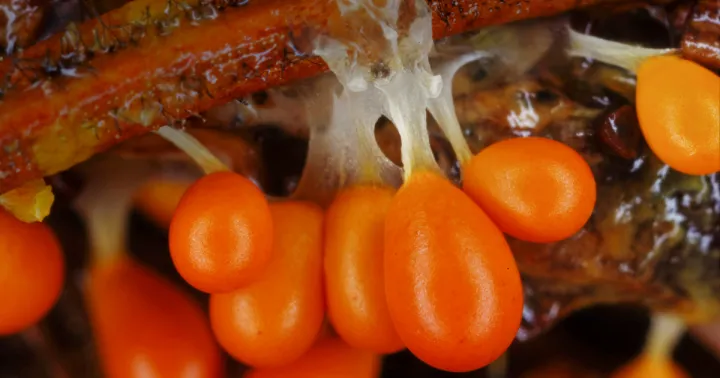
Description
Pathogen
Dictyostelid slime molds (Dictyosteliomycota) are unique eukaryotic soil organisms classified as cellular slime molds. They are not plant pathogens and do not cause diseases in crops, as their life cycle is strictly dependent on feeding on soil bacteria.
Biologically, these organisms exist as solitary amoeboid cells. When food resources become scarce, they aggregate to form multicellular structures known as pseudoplasmodia, which allow them to migrate and produce spores for distribution within the soil profile.
In agronomy, they are frequently mistaken for pathogens due to their presence on decomposing plant debris. However, they function as beneficial saprotrophs that live in the rhizosphere and actively interact with the soil microbial community.
They belong to the group of myxomycetes that lack the ability to parasitize plant tissues. Their activity is primarily focused on regulating bacterial populations, which plays a role in nutrient cycling within the root zone.
It is important to emphasize that they do not attack living plant tissues. Their presence in agricultural soil is often an indicator of high organic matter content and active biological processes rather than a sign of disease.
Conditions for development
The development of Dictyostelid slime molds depends heavily on soil moisture levels and the availability of bacterial prey. They thrive in moist, organic-rich soils where humification processes are actively occurring.
The optimal temperature range for their metabolic activity is between 15 and 25 degrees Celsius. When soil moisture levels drop, they transition into a spore-forming stage, which ensures their long-term survival under adverse environmental conditions.
The presence of decomposing crop residues promotes bacterial growth, creating an ideal environment for the proliferation of slime molds. Proper soil aeration is also essential to support their life cycle and ensure efficient nutrient exchange in the rhizosphere.
Agronomic practices, such as excessive soil compaction or waterlogging, can create conditions that favor the visual accumulation of these organisms. This is a reflection of the specific microclimate rather than a plant pathology issue.
Spore dispersal occurs naturally through soil water movement, insect activity, and human agricultural operations. Therefore, they are widespread in diverse agroecosystems and are a natural component of healthy soil biota.
Why it matters
Dictyostelid slime molds do not cause economic damage to crops, as they are not pathogenic to plants. They do not infect roots, stems, or leaves, and thus are not classified as agricultural pests.
In fact, their ecological impact is generally positive, as they contribute to the mineralization of organic matter. By feeding on bacteria, they help manage the microbial balance in the rhizosphere, which can indirectly benefit plant growth.
Mistaken identification of these organisms as disease agents often leads to unnecessary fungicide application. Any observed crop damage in areas where these molds are present is usually caused by true pathogens like fungi or oomycetes that thrive in the same moist conditions.
From an agronomist's perspective, their presence serves as a bioindicator of soil moisture and organic decomposition levels. If their population density becomes high, it is a cue to assess soil drainage rather than to seek chemical control.
Consequently, there is no need for protective measures or control strategies against these organisms, as they remain harmless saprotrophic members of the soil ecosystem.
Protection
Since Dictyostelid slime molds are not plant pathogens, no specific control measures are required. Using fungicides against them is ineffective and potentially harmful to beneficial soil organisms and the overall soil balance.
The most effective management approach is to optimize irrigation regimes and improve soil drainage. Proper soil structure and aeration naturally regulate the population of these organisms without chemical intervention.
Balanced fertilization and effective crop rotation strategies help maintain the overall resilience of the crop. A healthy and vigorous plant will easily thrive regardless of the presence of saprotrophic slime molds in the rhizosphere.
- Maintain optimal soil moisture levels.
- Improve soil aeration and drainage.
- Follow sustainable crop rotation practices.
- Avoid excessive soil compaction during fieldwork.
If large accumulations are observed, focus on improving the physical conditions of the soil to prevent water stagnation. This sustainable approach effectively manages the ecosystem balance without the need for pesticides.
Discussion
No discussions yet — be the first.