
Zymoseptoria blight
Zymoseptoria brevis
Description
Symptoms
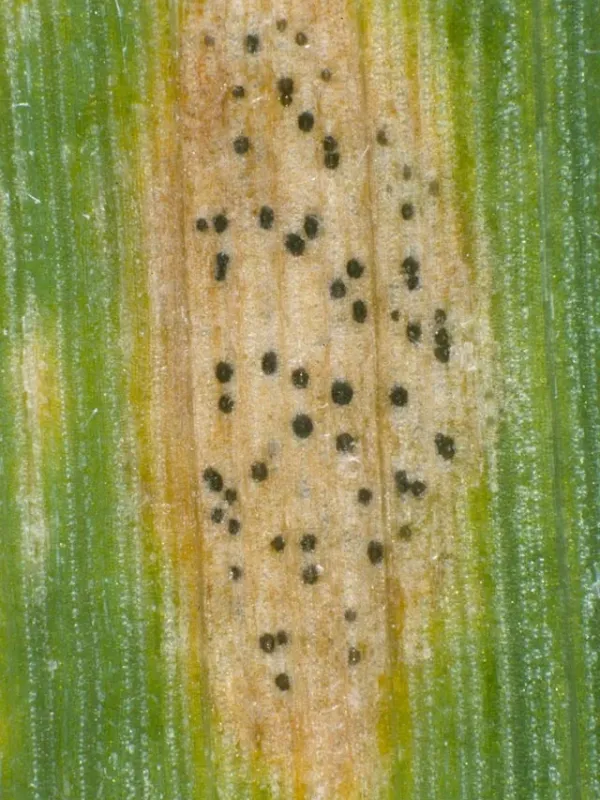
The initial symptoms appear as chlorotic spots on the leaf blades, which subsequently develop into light brown or greyish necrotic lesions.
A definitive diagnostic feature is the presence of pycnidia—minute black fungal fruiting bodies embedded within the necrotic tissue. These are visible upon close inspection of the lesions.
Infection typically initiates on lower leaves that have direct contact with the soil. Under favorable high-humidity conditions, these lesions can coalesce, causing premature yellowing and death of the leaf.
The symptoms of this disease can manifest even during low-temperature periods, often causing it to be mistaken for physiological frost damage by field scouts.
- Chlorotic and necrotic spots on leaf blades.
- Presence of black pycnidia within lesions.
- Premature senescence of lower leaves.
Pathogen
The causal agent of this disease is the fungus Zymoseptoria brevis, which belongs to the class Dothideomycetes. It is closely related to the well-known Zymoseptoria tritici, the primary cause of Septoria tritici blotch.
This pathogen specifically infects small grain cereals, primarily winter wheat. Its biological cycle includes both asexual and sexual reproduction phases, allowing it to adapt to various environmental conditions.
The fungus overwinters on crop residues in the field as pycnidia and pseudothecia, serving as a primary inoculum source for the next growing season.
Conidia dispersal is driven primarily by rain splash, which carries spores from the lower canopy to the upper leaves. Wind dispersal also contributes to the spread of the pathogen within and between fields.
Unlike many other cereal pathogens, Zymoseptoria brevis has evolved to thrive in cooler, moist conditions typical of autumn and winter, which differentiates its infection timing from other species.
Conditions for development
High relative humidity and frequent rainfall during autumn are the primary factors driving the development of Zymoseptoria brevis.
The fungus is active within a temperature range of +5°C to +15°C, enabling it to colonize winter wheat plants even during the cooler seasons.
High levels of infested crop debris left on the soil surface provide a significant reservoir for the pathogen, fueling epidemics in subsequent seasons.
Dense crop stands and excessive nitrogen fertilization promote a humid microclimate within the canopy, which significantly accelerates spore germination and spread.
Continuous monoculture of cereals, especially wheat following wheat, creates a persistent inoculum source, facilitating severe outbreaks in susceptible fields.
Why it matters
The economic impact of Zymoseptoria blight is primarily due to the reduction of photosynthetic leaf area, which severely restricts the plant's ability to produce biomass.
Infection during the early growth stages can significantly weaken winter hardiness, making plants more susceptible to winter-kill and environmental stress.
In spring, the pathogen hinders effective tillering and regrowth, leading to sparse plant stands and lower stem density per unit area.
Premature leaf death reduces the grain filling capacity, leading to lower thousand-grain weight and reduced final harvest quality.
Furthermore, weakened plants are more susceptible to secondary infections by other pathogens like fusarium or root rot complexes, increasing the overall damage to the crop.
Protection
Crop rotation is the most effective management strategy, as it interrupts the life cycle of the pathogen and depletes the inoculum reservoir in the soil.
Proper tillage practices, such as deep incorporation of crop residues, accelerate the decomposition of plant material and reduce pathogen survival.
The selection of resistant wheat cultivars is essential to minimize the disease pressure and reduce the need for intensive fungicide applications.
In areas with high disease pressure, timely fungicide applications during the autumn or early spring can be effective in preventing severe outbreaks.
Maintaining balanced soil fertility, with adequate potassium levels, helps strengthen plant cell walls and enhances natural resistance to fungal infections.
Discussion
No discussions yet — be the first.