
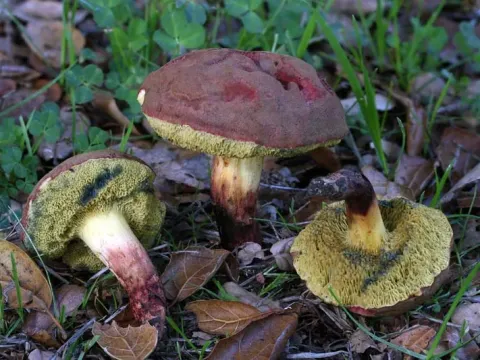
Oak bolete
Xerocomus dryophilus
The oak bolete, scientifically known as Xerocomus dryophilus, is a basidiomycete fungus belonging to the Boletaceae family. It is strictly defined as a mycorrhizal symbiont rather than a pathogen.
What the section contains
Oak bolete
The fungus establishes a mutualistic relationship with the root systems of oak trees, facilitating the exchange of water and nutrients for carbon compounds produced by the tree.
Taxonomically, it is recognized for its velvety cap, which often ranges from reddish to brown, and its yellow pore surface that may show slight bluing when damaged.
The vegetative part of the fungus, or mycelium, spreads through the soil and forest litter, creating an extensive network that supports the growth and vitality of the forest stand.
By forming ectomycorrhiza, Xerocomus dryophilus enhances the physiological performance of its host tree, contributing to a stable and healthy forest ecosystem.
The primary sign of the fungus is the emergence of fruiting bodies near the base of oak trees during the late summer and autumn months.
The cap texture and the presence of yellow pores are diagnostic characteristics that distinguish this species from other boletes in the same forest habitats.
A fine white layer of fungal hyphae covering the fine roots of oak trees can be identified through soil examination in areas where this species is present.
The occurrence of these fruiting bodies serves as an ecological indicator of a mature, well-functioning soil environment under deciduous trees.
Changes in cap color or cracking due to low humidity levels are visible signs of the fungus responding to environmental moisture fluctuations.
The growth and fruiting of Xerocomus dryophilus require specific humidity levels provided by a thick layer of leaf litter on the forest floor.
Optimal development typically occurs in temperate climates where temperatures remain moderate during the peak periods of rainfall.
The species prefers well-drained, slightly acidic soils that are characteristic of stable oak woodlands and established forest belts.
Minimal soil disturbance is necessary to maintain the integrity of the underground mycelium, which is sensitive to mechanical damage and soil compaction.
Abundant organic matter in the soil provides the necessary substrate for the fungus to thrive, supporting its long-term presence in the ecosystem.
There is no evidence to suggest that this fungus causes damage to trees; it is not a parasite and does not induce any form of plant disease.
On the contrary, the presence of the oak bolete is highly beneficial as it supports the nutrient uptake of oak trees, enhancing their overall growth and health.
No negative symptoms such as necrosis, wood decay, or tree decline are associated with the colonization of roots by this fungal species.
The species poses no risk to forestry or agricultural interests, and it should be protected as a valuable component of biodiversity.
Therefore, it is classified as a neutral or beneficial organism that contributes to the resilience of forest stands.
No control measures are required as the oak bolete is not a pest or a disease, but rather a beneficial symbiont in the forest ecosystem.
Avoiding the use of broad-spectrum fungicides in oak stands is recommended to protect the integrity of the mycorrhizal network.
Sustainable forest management practices that maintain canopy cover and leaf litter density are sufficient to support the fungal population.
Protecting the soil from excessive compaction is the most important step to ensure the health of the mycelium and the symbiotic link to the trees.
Forest managers should prioritize the preservation of native soil conditions to encourage natural symbiotic relationships between trees and fungi.