
Xenasma
Xenasma
The genus Xenasma belongs to the group of xylotrophic basidiomycetes, specifically within the Corticiales order. These saprotrophic fungi are primarily associated with wood decay, although some species exhibit signs of facultative parasitism.
What the section contains
Xenasma
The pathogen consists of mycelium developing within the host plant tissues and thin, membrane-like fruiting bodies that form on the surface of infected bark or wood.
Biologically, this fungus acts as a non-specific wood destroyer that can colonize weakened areas of trunks and branches, entering through mechanical wounds or frost cracks.
Microscopic structures include basidia that produce spores, which are disseminated by air currents during periods of high humidity.
The fungus's life cycle is intrinsically linked to the presence of dead organic debris, where it accumulates biomass before spreading to living tissues.
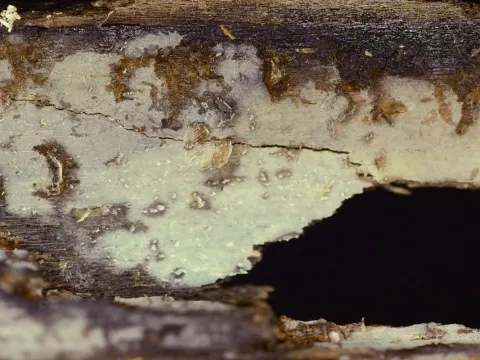
A visual sign of infection is the appearance of a characteristic film-like coating that adheres tightly to the bark surface, appearing as a thin, whitish or greyish crust.
As the disease progresses, the bark tissue in the infected area begins to change structure, becoming brittle and eventually dying off.
In the early stages of pathogenesis, local discoloration of the wood surface is observed, accompanied by the appearance of spots with varying color intensity.
When examined with a hand lens or microscope, fruiting bodies of the fungus are clearly visible within the cracks of the bark in the affected zone.
Inner layers of wood beneath the active mycelium growth area may show signs of destructive rot, compromising the tree's mechanical stability.
The primary factor promoting infection development is high atmospheric humidity, exceeding 75–80%, which is required for spore germination.
The fungus prefers moderate temperatures, developing actively in the range of +15 to +22 degrees Celsius, particularly in shaded parts of plantations.
Integrity damage to the bark, caused by hail, insects, or improper pruning, serves as a gateway for the pathogen spores.
Prolonged periods of stagnant moisture or fog in dense wooded areas create the optimal microclimate for rapid mycelium spread.
The presence of large amounts of plant debris and uncleared dead branches in the garden ensures a persistent source of infection.
The primary harm involves the disruption of normal nutrient transport within the plant's vascular system, leading to the gradual dieback of branches.
When the main trunk is affected, the fungus triggers deep decay processes that reduce the longevity and commercial value of the wood.
Infected trees become a source of spores that are carried by the wind, spreading the disease to nearby healthy plants within the area.
Affected specimens show significantly reduced winter hardiness and resistance to other secondary infections and pest attacks.
Ultimately, the massive development of the fungus leads to premature plant death and the loss of quality of the woody material.
The most important measure is timely sanitary pruning and the removal of all infected branches, followed by their mandatory destruction by burning.
To prevent infection, it is necessary to disinfect pruning wounds with horticultural wax or specialized antiseptic pastes.
Maintaining optimal agrotechnical practices is essential, avoiding waterlogged soil and excessive plant density to improve crown ventilation.
As a preventive measure, it is recommended to carry out periodic spraying of trees with contact fungicides based on copper.
Regular monitoring of tree health allows for the detection of the fungus at an early stage, when local removal of the affected area is still effective.