
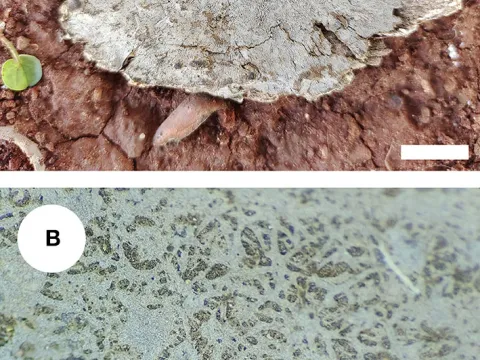
Xenasmataceae fungi
Xenasmataceae
Xenasmataceae is a family of basidiomycete fungi primarily recognized for their role in wood decay. In agronomy, they are classified as potential pathogens that can compromise the structural integrity of woody plants by breaking down complex polymers.
What the section contains
Xenasmataceae fungi
These fungi utilize specialized enzymatic pathways to degrade lignin and cellulose within plant tissues. This biological process leads to the softening of wood and the weakening of the plant's vascular transport system.
The pathogen typically survives in debris, decaying wood, or bark crevices. Under favorable conditions, it initiates colonization by spreading its mycelium into healthy tissues through existing wounds or structural defects.
Dissemination is largely carried out by basidiospores, which are easily dispersed by air currents and water droplets. This efficiency in spreading makes it a persistent threat in environments with high humidity.
While often viewed as decomposers, their opportunistic nature allows them to shift towards parasitism, particularly on trees that are stressed by environmental factors or previous injuries.
The primary visual indicator of infection is the appearance of a thin, membrane-like or cobwebby mycelial mat on the bark. The color of this growth is generally white to greyish, depending on the maturity of the fungal layer.
Affected wood exhibits significant structural changes, becoming soft, spongy, and brittle. The discoloration of the inner bark and cambium layers is a clear signal that the fungal colonization is progressing inward.
Bark cracking and peeling are common symptoms observed in advanced stages of infection. These physical changes expose the vascular cambium to further desiccation and secondary infections from other pests.
The canopy often reflects the systemic health of the plant, showing symptoms such as premature yellowing, wilting, and leaf drop. Terminal growth is noticeably stunted, leading to a visible decline in vigor.
- White or greyish fungal mats on bark.
- Softening and decay of wood tissue.
- Premature leaf senescence and wilting.
- Significant reduction in annual shoot growth.
- Dieback of branches in the upper canopy.
Xenasmataceae fungi thrive in environments with high relative humidity, typically exceeding 80%. Poor airflow and dense planting layouts create the stagnant microclimate required for rapid fungal development.
Optimal temperatures for mycelial expansion range from 18 to 25 degrees Celsius. These conditions are frequently encountered during temperate spring and autumn seasons, which are peak periods for infection.
Mechanical injuries serve as the primary entry points. Damage from hail, sunscald, or improper pruning provides the necessary access for spores to establish a foothold in the plant’s internal structures.
Plant stress is a significant contributing factor. Cultivars suffering from nutrient deficiencies, drought, or poor soil conditions demonstrate lowered natural defense mechanisms, making them more susceptible to infestation.
Poor drainage and waterlogged soil contribute to high localized humidity, which favors the spread of the pathogen. Proper site selection and water management are critical for preventing outbreaks in nurseries.
The main harm inflicted by these fungi is the impairment of nutrient and water conduction. This systemic starvation leads to stunted growth, reduced yields, and eventually, the total collapse of the plant's physiological functions.
Structural integrity is severely compromised, leading to an increased risk of limb breakage during storms. Such physical damage not only ruins the aesthetic value but also creates entry points for further pathogens.
Fruit quality in affected crops is drastically reduced. The fruit often fails to reach its potential size, exhibits poor color, and possesses limited shelf life, causing substantial financial losses for producers.
In nursery settings, Xenasmataceae can cause high mortality rates among young plants. This requires the removal of large batches of nursery stock, leading to significant economic impact and operational disruption.
The presence of these fungi turns the affected area into an infection reservoir. Maintaining an infected site requires intensive sanitation, which consumes resources that could otherwise be allocated to production.
Sanitation is the cornerstone of control. All infected plant parts must be promptly removed and destroyed or disposed of away from the orchard to prevent further spore dispersal through the wind.
Pruning cuts should be protected with high-quality wound dressings or antiseptic pastes. This barrier prevents fungal spores from penetrating the exposed tissue while the plant initiates its natural healing process.
Preventative sprays using copper-based fungicides are effective in managing inoculum levels on the bark. These applications are most efficient when performed during the dormant season before active growth begins.
A robust nutrition program focusing on phosphorus and potassium strengthens plant tissues and improves resistance against fungal invasion. Balanced fertilization ensures the plant maintains its physiological health.
Systemic fungicides may be necessary in severe infestation cases. These chemicals are absorbed by the plant and suppress mycelial activity internally, which is essential for stopping the decay process in established trees.