
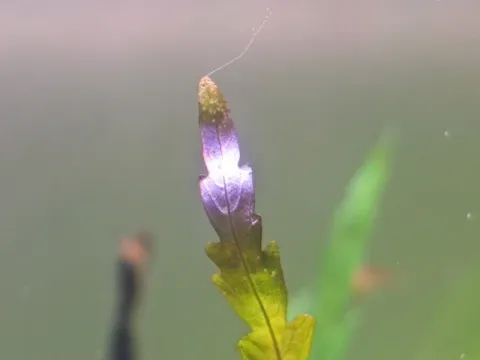
Venustosynnema
Venustosynnema
Venustosynnema is a genus of fungi belonging to the group of imperfect fungi (Deuteromycetes). Its primary morphological feature is the development of synnemata, which are specialized reproductive structures.
What the section contains
Venustosynnema
This pathogen acts primarily as a facultative parasite, often infecting plants that are already stressed or showing signs of physiological decline. It is classified within the Hyphomycetes group.
The fungus spreads via conidia produced on the synnemata. These spores are highly mobile and can be easily disseminated by wind or splashing rainwater during irrigation or rainfall.
At a microscopic level, the mycelium penetrates the epidermis of the host plant. Once established, the fungus begins to extract nutrients, weakening the plant tissue significantly.
Biological survival of the pathogen between seasons is largely dependent on its ability to persist on crop debris and in the soil, awaiting favorable conditions for re-infection.
Initial symptoms of Venustosynnema infection include the appearance of localized spots on leaves. These spots are usually irregular in shape and vary from yellow to dark brown.
As the infection progresses, the center of the lesions develops visible tufts of synnemata. These structures look like tiny, dense clusters or bristle-like growths on the plant surface.
Affected tissues undergo necrosis and eventually decay. Leaves may curl, yellow, and drop prematurely, leading to a visible reduction in the plant's overall canopy density.
In humid environments, a light fungal growth may appear over the infected areas. This fuzzy layer consists of thousands of conidia ready to infect neighboring healthy tissues.
Stems can also be affected, leading to localized rotting and potential structural failure. If the pathogen reaches the vascular system, wilting of the entire plant section becomes imminent.
High relative humidity is the most critical factor for the development of Venustosynnema. Levels consistently above 80-85% facilitate rapid spore germination and growth.
The fungus thrives in moderate temperature conditions, typically ranging from 20°C to 28°C. These temperatures encourage maximum metabolic activity of the pathogen.
Free moisture on the leaf surface, whether from rainfall, mist, or irrigation, provides the necessary environment for the fungus to penetrate the host tissues effectively.
Poor aeration within the crop canopy creates a microclimate that prevents moisture from evaporating, thereby extending the window of opportunity for infection.
The accumulation of plant residues in the field provides a reliable reservoir for the fungus. Without proper sanitation, the pathogen can quickly build up its population density.
The economic impact of Venustosynnema is characterized by reduced photosynthesis due to leaf loss and necrotic spotting, which directly affects the final crop yield.
Quality degradation is a major concern. Infected fruits or produce suffer from unsightly lesions and reduced shelf life, making them unacceptable for market sale.
For perennial plants, repeated infection cycles can exhaust carbohydrate reserves. This weakens the plant's long-term viability and reduces its tolerance to winter or drought stress.
In nursery settings, the pathogen can destroy young seedlings, leading to significant losses in plant propagation efforts and increased costs for replanting.
The necessity for frequent fungicide applications to control the disease adds to the production costs, potentially reducing the overall profitability of the agricultural enterprise.
Effective control starts with strict field sanitation. Removing and destroying all infected crop residues after harvest is essential to break the disease cycle.
Improving air circulation through proper plant spacing and thinning is a highly recommended cultural practice. This ensures that the canopy dries out faster after rainfall.
The application of protective fungicides can manage the disease if detected early. Systemic products are often more effective for established infections, while copper-based sprays offer good prevention.
Nutrient management is crucial; maintaining balanced soil fertility helps the plant maintain strong cell walls, which act as a physical barrier against pathogen invasion.
Regular scouting is necessary for early detection. Promptly removing the first few infected leaves can significantly slow down the spread of the disease across the entire field.