
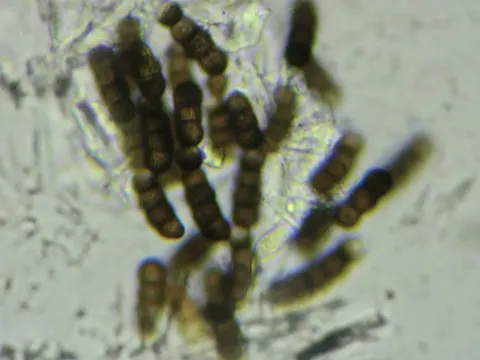
Torula utilis
Torula utilis
Torula utilis, scientifically known as Candida utilis, is a species of yeast that is widely utilized in industrial biotechnology.
What the section contains
Torula utilis
It is important to emphasize that this organism is not a plant pathogen and does not cause diseases in agricultural crops.
The fungus is a non-pathogenic saprophyte that plays a crucial role in the fermentation industry for protein production.
Unlike parasitic fungi that invade plant tissues, Torula utilis relies on external organic substrates for its nutrition and growth.
Its biological properties, including its ability to grow rapidly on diverse sugars, make it a valuable asset in many fields.
The optimal development of Torula utilis requires high moisture levels and an environment rich in fermentable sugars or wood sugars.
Temperatures ranging from 25°C to 30°C provide the most efficient metabolic rates for this specific yeast culture.
Aerobic conditions are preferred, as the yeast exhibits high respiratory activity when sufficient oxygen is available.
A slightly acidic pH environment is ideal for maximizing the growth rate and suppressing potential competitive microflora.
In nature, it is typically found in habitats rich in organic matter where decomposition processes are active.
There is no evidence suggesting that Torula utilis is harmful to plants or crops in any agricultural setting.
The classification of this yeast as a disease is incorrect, as it possesses no mechanisms to attack or parasitize crops.
Farmers do not face any economic threats from the presence of this microorganism in their fields or storage facilities.
On the contrary, its use is widely documented in the production of animal feed, helping to boost agricultural productivity.
No symptoms, such as lesions, wilting, or rot, can be attributed to the presence of Torula utilis on plants.
No crop protection measures or fungicides are required for managing Torula utilis, as it is completely safe for vegetation.
Standard quality control in bio-industrial manufacturing focuses on maintaining pure yeast cultures and preventing contamination by other fungi.
Field management strategies should be focused on actual phytopathogenic threats rather than harmless saprophytic yeasts.
The application of chemicals to eliminate this yeast would be counterproductive and unnecessary for any agricultural or garden environment.
Safe agricultural practices rely on maintaining a balance of beneficial microorganisms, which includes the presence of naturally occurring yeasts.