
Pseudocercospora leaf spot
Pseudocercospora platanigena
The disease is caused by the pathogenic fungus Pseudocercospora platanigena, which is a specialized parasite of the Platanus genus.
What the section contains
Pseudocercospora leaf spot
This fungus is classified as a deuteromycete. It produces conidia (spores) on the leaf surface, which serve as the primary means of dispersal within a canopy.
The mycelium colonizes the mesophyll tissues of the leaves, causing the cellular structure to break down and resulting in necrotic tissue formation.
The fungus survives the winter primarily in fallen leaves, making sanitation a critical part of the disease management strategy during the dormant season.
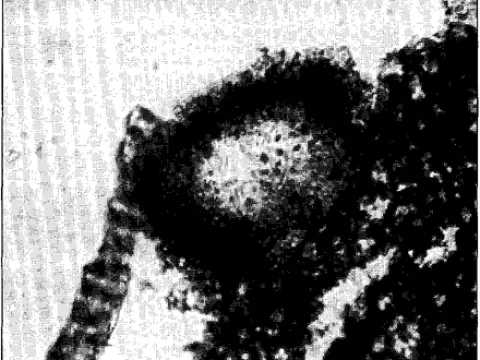
Microscopic analysis of the conidia morphology is the standard method for confirming the presence of this specific pathogen in diagnostic studies.
The initial symptoms manifest as small, irregular or circular spots on the leaf blades, typically appearing as brown or reddish-brown lesions.
As the infection progresses, these spots often merge to cover larger areas of the leaf, leading to extensive tissue death and significant aesthetic degradation.
A fine, grayish or olive-colored mold, consisting of fungal spores and conidiophores, can often be observed on the underside of the leaf spots.
Affected leaves may exhibit curling, distortion, and browning, particularly when the infection is severe and environmental conditions are favorable for the fungus.
Premature leaf drop is a common late-season symptom, where infected trees may lose their foliage weeks or even months earlier than healthy counterparts.
The development of Pseudocercospora leaf spot is strongly dependent on high humidity, rain splashes, and moderate temperatures during the summer months.
Crowded plantings with poor air circulation increase the likelihood of rapid disease spread, as the humidity stays high within the canopy for extended periods.
The pathogen thrives in temperate climates where rainfall patterns frequently wet the foliage, providing the necessary moisture for conidia germination.
Infection is intensified by the accumulation of infected plant debris, which acts as a primary reservoir for the pathogen to re-emerge every spring.
Trees that are physically stressed by drought or nutritional deficiencies are notably more susceptible to severe outbreaks than well-maintained specimens.
The primary impact of the disease is the reduction of the tree's photosynthetic capacity due to premature defoliation, which drains the tree's energy reserves.
Persistent infection year after year leads to general tree decline, making the tree less resilient to secondary pests and extreme weather events.
For urban forestry, the loss of foliage density and the unsightly appearance of spotted leaves significantly diminish the ornamental value of plane trees.
In nursery settings, heavy infestations can cause stunted growth in saplings, increasing the time required for them to reach market-ready specifications.
In cases of neglect, the cumulative effect of the disease can lead to the dieback of small branches and an overall weakened state of the entire specimen.
Sanitation is the most effective cultural practice: all fallen leaves must be raked and destroyed or composted properly to reduce the inoculum level.
Thinning out the canopy through proper pruning improves air movement and sunlight penetration, which helps keep the foliage dry and prevents infection.
Fungicidal applications, particularly copper-based or systemic products, may be utilized in severe cases or in high-value ornamental landscapes during the spring.
Maintaining optimal tree vigor through correct irrigation and fertilization practices significantly improves the tree's natural ability to resist the disease.
- Remove and dispose of diseased leaves.
- Improve canopy air circulation.
- Apply fungicides as a preventive measure if necessary.