
Platygloeaceae
Platygloeaceae
The Platygloeaceae family comprises a group of basidiomycetous fungi, primarily functioning as obligate parasites of higher plants. These microscopic organisms belong to the Platygloeales order and are known to colonize the epidermal tissues of various agricultural crops.
What the section contains
Platygloeaceae
Biologically, these fungi are distinguished by the formation of specific septate basidia during their reproductive phase. Their lifecycle is dominated by the dikaryotic stage, where the mycelium spreads primarily through the intercellular spaces, drawing nutrients directly from the host plant's living cells.
Pathogen dispersal occurs via basidiospores, which are actively discharged into the environment under favorable humidity conditions. These spores are highly mobile and easily carried by air currents, allowing for rapid colonization of healthy plant tissues across large fields.
Many species within this family exhibit a high degree of host specificity, often targeting particular species or specific plant organs. Unlike saprotrophic fungi, they cannot survive on dead plant debris, making their survival entirely dependent on a living host plant.
Ongoing mycological research continues to refine the taxonomy of this family. Molecular genetic methods are essential for distinguishing between species that cause similar visual symptoms, helping agronomists develop more targeted management strategies.
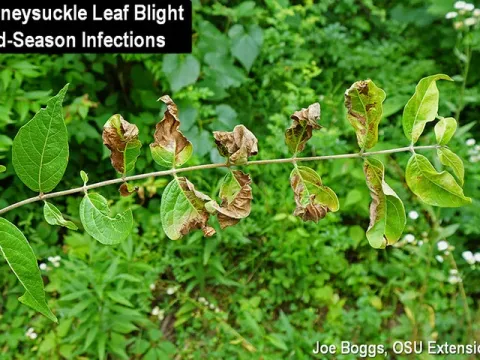
The primary indicators of infection include localized spotting, chlorosis, or morphological deformities on leaves and stems. Affected areas often change color, appearing yellow, brown, or gray, as the fungus disrupts normal physiological functions and photosynthetic activity.
As the infection progresses, sporulation structures may become visible on the surface of the lesions. These often appear as fine, powdery coatings or small, raised cushions that serve as the primary source of secondary inoculum during the growing season.
Some species of Platygloeaceae induce hyperplastic tissue responses, leading to the formation of swellings, galls, or stunted shoot growth. These structural abnormalities impede the transport of water and nutrients, severely weakening the affected plant.
In advanced stages, leaves may wither prematurely, leading to significant defoliation. This loss of photosynthetic surface area directly impacts the plant's ability to fill grains or produce healthy fruits, resulting in reduced yields.
Visual diagnosis can be challenging as early symptoms often mimic nutrient deficiencies or environmental stress. Definitive identification requires microscopic examination to detect the presence of the fungus's specific mycelial structures and spore morphology.
The development of these fungi is strictly dependent on environmental factors, particularly extended periods of high humidity. The presence of water films on plant surfaces, caused by rain, dew, or heavy fog, is necessary for spore germination and successful host colonization.
The optimal temperature range for most species in this family lies between +15 and +22 degrees Celsius. Within this range, the incubation period is shortened, allowing the pathogen to rapidly expand its presence across the crop population under favorable conditions.
Dense plant canopies are a significant factor in disease spread. Poor air circulation within dense plantings maintains a humid microclimate, which prevents plant surfaces from drying and provides the ideal environment for the pathogen to thrive.
Mechanical damage to plant tissues, whether from pests or cultural practices, creates entry points for the mycelium to penetrate the host. Any breach in the epidermis significantly increases the likelihood and speed of a successful infection.
Nighttime temperature fluctuations that trigger heavy dew formation are critical for the mass discharge of basidiospores. These morning conditions often serve as the primary catalyst for new cycles of infection in the field.
The most significant impact of Platygloeaceae is the reduction of the plant's photosynthetic capacity. By damaging chlorophyll-containing tissues, the fungus limits the plant's ability to accumulate biomass, leading to lower yield potential and overall crop quality.
Infection of reproductive organs often results in shriveled, low-viability seeds, which is particularly devastating for seed production farms. This directly decreases the commercial value of the harvest and may necessitate the disposal of affected material.
Prolonged infection forces the plant to divert energy toward defense mechanisms rather than growth and yield development. This resource depletion makes the plants more susceptible to subsequent environmental stressors, such as drought or heat waves.
Economic losses are compounded by the costs of applying fungicides and the potential loss of a significant portion of the harvest if control measures are not implemented in time. Unmanaged fields can see productivity drops of 20-30% or more.
Beyond the direct harm, these fungi weaken the host plant's immune system, creating an opportunity for secondary invaders like opportunistic bacteria or saprotrophic fungi. This can accelerate tissue decay and complicates the harvesting process significantly.
Effective management begins with robust crop rotation, which breaks the pathogen's lifecycle and reduces the soil-borne or stubble-based inoculum load. Selecting resistant cultivars is the most sustainable approach for minimizing disease impact in large-scale farming.
Cultural practices focused on improving field sanitation and air circulation are essential. This includes proper plant spacing, weed control, and optimizing irrigation schedules to ensure that plant foliage remains dry for as long as possible during the day.
Systemic fungicides are the primary chemical tool for controlling these fungi. Applications should be timed preventively, especially when weather forecasts predict extended periods of high humidity and moderate temperatures.
Biological control agents, particularly antagonistic microorganisms, are increasingly used to suppress fungal development. These products provide an environmentally friendly alternative or supplement to traditional synthetic chemicals.
Regular field scouting is critical for early detection. Once localized infection sites are identified, removing and destroying affected plant material can help contain the spread of the pathogen, protecting the remainder of the crop from widespread infestation.