
Plectosphaerella
Plectosphaerella
The disease is caused by fungi belonging to the Plectosphaerella genus, with Plectosphaerella cucumerina being the most recognized and studied species in agricultural settings.
What the section contains
Plectosphaerella
This pathogen is a facultative parasite, meaning it can survive in soil and on plant debris as a saprophyte for extended periods, waiting for a suitable host.
The fungus primarily targets the root system and the lower part of the stem, using its conidia to spread through water splashes, contaminated soil, or infected propagation tools.
Once inside the host, the pathogen colonizes the vascular tissues, effectively blocking the transport of water and nutrients throughout the plant.
The ability of the fungus to produce spores under a wide range of conditions allows it to remain a persistent threat in greenhouse environments where year-round production occurs.
Initial signs often appear at the root level, characterized by darkened, necrotic lesions that may spread to the root crown and base of the stem.
Above-ground symptoms typically manifest as sudden wilting of the leaves, starting with the lower foliage, especially during peak daylight hours.
As the infection progresses, leaves turn yellow (chlorosis) and eventually brown, leading to dry rot of the entire plant structure.
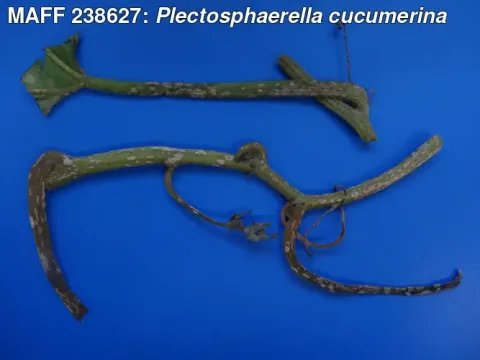
Cracking of the stem near the soil surface is a common symptom in advanced stages, sometimes accompanied by a white or cream-colored fungal growth in high humidity.
- Dark root discoloration.
- Progressive wilting of the foliage.
- Stem lesions and cracking near the soil line.
- Stunted plant development.
- Premature yellowing of leaves.
High humidity levels and consistently moist soil are the primary drivers for the germination and spread of the fungus.
Optimal temperatures for the rapid development of Plectosphaerella typically range between 20°C and 25°C, making it particularly problematic in sheltered environments.
Poor ventilation within greenhouses increases the likelihood of infection, as stagnant air prevents the foliage from drying and keeps the local humidity high.
Improper watering practices, especially over-irrigation that leads to waterlogged conditions, create the perfect atmosphere for the pathogen to thrive.
Weakened plant immunity caused by nutritional imbalances or environmental stress makes crops significantly more susceptible to successful colonization by the fungus.
Plectosphaerella causes significant economic damage by compromising the plant's ability to uptake water and nutrients, ultimately leading to crop failure.
The disease leads to reduced fruit quality, size, and overall yield, as the infected plant lacks the energy and resources to complete its maturation cycle.
In greenhouses, this fungus can spread rapidly through entire batches, causing massive losses that are difficult to mitigate once the pathogen is established in the soil.
The persistence of the fungus in soil requires expensive and labor-intensive measures to disinfect the growing media before the next planting season.
Infection can also lead to the loss of entire plant stands in nurseries, impacting the availability of healthy seedlings for large-scale production.
Effective control starts with strict hygiene practices, including the removal and destruction of all infected plant materials to prevent the buildup of inoculum.
Implementing a rigorous crop rotation plan prevents the pathogen from building up its population density in the soil over successive seasons.
Soil solarization or steaming is highly recommended for greenhouse production to eliminate the fungus from the substrate before planting.
Applying biological control agents, such as beneficial fungi from the Trichoderma genus, helps create a suppressive environment for the pathogen.
Using systemic fungicides specifically labeled for fungal rot prevention can provide protective cover during the critical early growth stages of the crop.