
Platygloeales fungi
Platygloeales
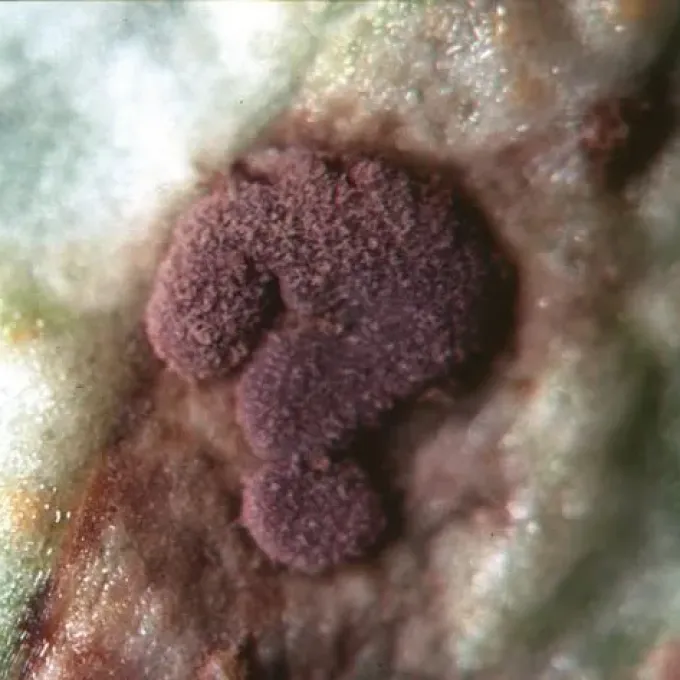
Description
Symptoms
Symptoms of infection by Platygloeales fungi often manifest as localized necrotic spots or specific outgrowths on the vegetative organs of plants. Depending on the host species, tissues in the invaded areas may turn yellow, brown, or dark brown, indicating a disruption of cellular metabolism.
In the early stages of pathogenesis, areas of hypotrophy are visually apparent where the mycelium begins to penetrate the intercellular spaces of the epidermis. As spores mature, the surface of affected leaves or stems may be covered with a barely noticeable bloom, which represents clusters of basidia.
In some cases, the infection leads to the deformation of leaf blades or their premature shedding. A characteristic sign is the focal spread of the disease, where a group of plants within a single plot shows identical symptoms of physiological suppression.
Microscopic analysis of tissues reveals the presence of specific haustoria, which the fungus uses to absorb nutrients from the host plant's cells. In areas of infection, premature tissue wilting is often observed due to a disturbance in the water balance.
Certain species cause the formation of galls or tumor-like growths, which seriously disrupt the physiological development of the crop. This is especially noticeable on young shoots that lose turgor and slow down their growth.
Pathogen
The pathogens are fungi of the order Platygloeales, belonging to the class Pucciniomycetes. These are specialized obligate or facultative parasites with a complex life cycle associated with the infection of higher plants.
A biological feature of these fungi is the formation of unique basidia, which can develop directly on the surface of the substrate after the germination of teliospores. The fungal mycelium is characterized by the presence of clamp connections and the ability to penetrate deeply into host tissues.
The spores of these fungi are spread primarily by wind or raindrops, which ensures rapid infection of healthy plants during favorable seasons. Upon landing on a plant, the spore germinates, forming an infectious hypha.
These pathogens often demonstrate narrow specialization, affecting strictly defined plant species or closely related groups of crops. This allows them to effectively establish themselves in ecosystems dominated by monocultures.
The genetic plasticity of Platygloeales fungi allows them to form new races capable of overcoming the resistance of certain agricultural crop varieties. Scientific study of their life cycle is critical for breeding resistant hybrids.
Conditions for development
The development and spread of the pathogen occur most actively under conditions of high humidity, when droplets of moisture remain on plant leaves for a long time. High air humidity, exceeding 80%, is optimal for spore germination.
The temperature factor also plays a key role: moderately warm weather in the range of 18 to 24 degrees Celsius contributes to the rapid accumulation of infectious potential. Sudden temperature fluctuations can either inhibit or stimulate spore release.
An important condition is the presence of susceptible plant growth stages when tissues are most vulnerable to mycelium penetration. Dense planting with poor ventilation creates a microclimate ideal for the epiphytotic development of the disease.
The accumulation of inoculum in the soil or on plant debris provides a primary source of infection for the next season. Proper crop rotation and the removal of diseased plants reduce the likelihood of re-infecting crops.
Inadequate agricultural practices, manifesting as excessive nitrogen fertilization or poor field drainage, significantly increase the probability of plant infection by Platygloeales fungi.
Why it matters
The main harm lies in the significant reduction of crop productivity due to the disruption of photosynthesis and transpiration processes. Affected organs cannot develop properly, leading to a decrease in overall harvest weight.
The quality of the produce also suffers: the presence of necrotic lesions makes fruits, root vegetables, or greens unsuitable for commercial sale. This leads to significant economic losses for agricultural producers.
With severe infection, the plant's immunity is weakened, opening the way for secondary pathogens and saprotrophs to colonize. This can lead to the complete death of the plant in field conditions.
- Reduction in overall yield by 15–30% during mass infection.
- Deterioration of produce shelf life during storage due to decreased tissue density.
- Loss of visual appeal and market value of the harvested produce.
- Depletion of nutrient reserves in the root system of perennial crops.
The spread of the disease across the field is often systemic, turning local spots into large areas of infection. In the long term, this depletes the soil and requires additional costs for restoring the phytosanitary condition of the plot.
Protection
The main protection strategy is prevention, based on using healthy planting material and varieties that possess genetic resistance to a wide range of fungal infections. Regular crop monitoring allows for the early detection of the disease.
Agricultural practices such as deep plowing and the timely removal of plant debris help radically reduce the infectious stock in the soil. It is important to avoid waterlogging and excessive plant density, which improves aeration.
The application of fungicides remains an effective control method during periods of high pathogen activity. The choice of agent should be based on phytopathological analysis data and regional recommendations for the protection of specific crops.
It is important to rotate the use of agents with different modes of action to prevent the emergence of resistant fungal races. Biological control methods, including the use of antagonist microorganisms, show good results in integrated pest management systems.
Constant observation of crop conditions and the prompt isolation of infection hotspots allow for stopping the disease development before it spreads throughout the entire plot. Effective protection requires a comprehensive approach and strict adherence to all stages of agricultural technology.
Discussion
No discussions yet — be the first.