
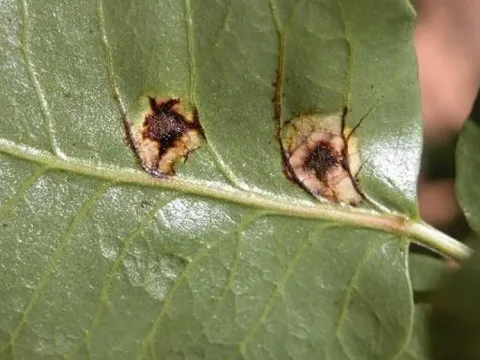
Pileolaria rust
Pileolaria
The disease is caused by fungi belonging to the genus Pileolaria, which are obligate parasites in the order Pucciniales, commonly known as rust fungi. These organisms rely entirely on living plant tissues to complete their life cycle.
What the section contains
Pileolaria rust
Pileolaria species are known for their high host specificity. The most studied species, Pileolaria terebinthi, primarily affects trees and shrubs in the Anacardiaceae family, causing distinctive rust symptoms.
The fungus produces various types of spores throughout the season, which allow it to spread across a planting area via wind or rain splashes. These spores are highly resilient and can remain viable under different environmental conditions.
Infection cycles often involve a complex alternation of spore stages. Understanding these stages is critical for determining the timing of fungicide applications in professional agricultural settings.
The pathogen overwinters as mycelium in infected stems or as spores on plant debris, ensuring its survival and recurrence in the following spring as soon as environmental conditions become favorable.
Initial signs of Pileolaria infection include the appearance of small, chlorotic or yellow spots on the leaves, which gradually enlarge as the fungal colony develops beneath the plant epidermis.
As the infection progresses, powdery pustules form on the surface of leaves, petioles, and young stems. These pustules typically display a rust-brown to dark-black coloration, characteristic of rust diseases.
Severe infestations cause leaves to wither, curl, and drop prematurely. This extensive defoliation significantly impairs the plant's ability to conduct photosynthesis, leading to stunted growth and reduced vigor.
Lesions may also appear on stems, leading to necrosis and structural weakness. In sensitive species, this can result in the dieback of branches and, in extreme cases, the death of the entire plant.
Early diagnosis is essential, as the symptoms can sometimes be confused with other leaf spot diseases; however, the presence of distinct powdery spores is a reliable indicator of rust infection.
The development and spread of Pileolaria are highly dependent on high humidity and mild temperatures. These conditions facilitate the germination of fungal spores on the plant surface.
Prolonged periods of leaf wetness, often caused by heavy dew, frequent rains, or overhead irrigation, create a perfect environment for the fungal hyphae to penetrate plant tissue.
Poor aeration in dense plantings contributes significantly to disease severity. When air cannot circulate freely through the canopy, humidity remains trapped, accelerating the spread of spores.
Plant health also plays a role; plants that are already stressed due to poor soil conditions, nutritional deficiencies, or pest attacks are generally more susceptible to successful colonization by the fungus.
Environmental management, such as promoting rapid drying of foliage after rain, is a primary strategy for preventing the initial establishment of the pathogen.
The primary damage caused by Pileolaria involves the disruption of vital physiological processes, particularly the reduction of photosynthetic area due to premature leaf loss.
Affected plants suffer from a severe drain on energy reserves, which limits their growth potential and ability to withstand winter stresses or drought conditions during the following seasons.
The disease can cause significant economic losses in nursery production and orchards by reducing the aesthetic value of ornamental plants and the vigor of fruit-bearing trees.
Persistent infections can lead to branch dieback, necessitating regular pruning or the removal of severely affected specimens to prevent the further spread of the rust spores.
If left unmanaged, the infection can build up over several years, leading to a general decline in the health of entire garden areas or agricultural stands.
Effective management begins with rigorous sanitation. All fallen leaves and dead branches should be removed and destroyed to reduce the primary inoculum source for the next season.
Cultural practices, such as proper spacing and thinning of the canopy, are essential to improve air circulation and reduce the duration of leaf wetness, thereby inhibiting spore development.
Chemical control involving copper-based fungicides or systemic anti-fungal agents can be used preventatively or as an early-stage treatment to protect healthy foliage.
- Apply protective copper sprays during the dormant season.
- Implement a schedule of systemic fungicides during the active growth phase.
- Water plants at the base to avoid wetting the foliage.
Integrated disease management, combining good hygiene with judicious fungicide use, remains the most sustainable approach for controlling Pileolaria rust in professional and domestic landscapes.