
Phytophthora inflata
Phytophthora inflata
Phytophthora inflata is a microscopic oomycete, often referred to as a water mold. It is a highly specialized pathogen that relies on moisture for its reproduction and dispersal through the production of motile zoospores.
What the section contains
Phytophthora inflata
The biological cycle of this pathogen involves both asexual and sexual reproduction phases. The formation of resistant oospores allows the organism to persist in soil and plant debris for several seasons, awaiting favorable conditions.
This pathogen possesses specialized infection structures, such as appressoria, which facilitate the penetration of the host plant cuticle and cell walls during the colonization process.
The ability of Phytophthora inflata to adapt to different environmental niches makes it a persistent threat in various agricultural landscapes, affecting both domestic crops and wild plant species.
The genetic diversity within populations of this species often leads to the development of new virulent strains, challenging the effectiveness of conventional breeding for resistance.
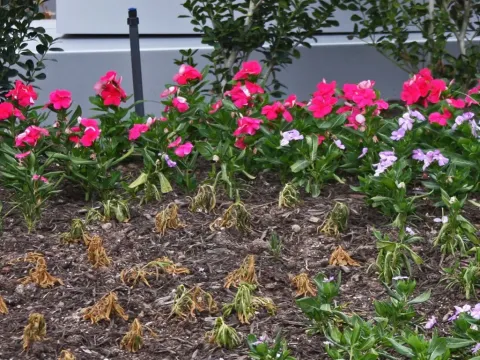
The primary symptoms of infection include dark, water-soaked lesions on leaves and stems. These spots expand rapidly under humid conditions, often leading to total tissue necrosis.
Stem cankers are a common sign of systemic infection. These necrotic areas can girdle the main stem, effectively cutting off the transport of water and nutrients, causing the plant to wilt.
Infected fruits or tubers develop hard, dark-colored spots that extend into the flesh. In high humidity, a thin layer of mycelium may appear on the surface, which contains the pathogen's sporangia.
Root symptoms are often characterized by browning and rotting of the fine root hairs. As a result, the plant shows signs of chlorosis and stunted growth, even when the soil is properly irrigated.
In advanced stages, the entire plant may collapse. The transition from initial infection to complete plant death can occur very rapidly during periods of frequent rainfall.
High relative humidity and persistent soil moisture are the most critical factors driving the development of Phytophthora inflata. Wet conditions provide the necessary medium for zoospore swimming.
The temperature range optimal for the pathogen's growth typically falls between 15°C and 22°C. These conditions are commonly found during spring and autumn in many temperate regions.
Poor field drainage and heavy soil texture contribute significantly to the severity of the disease by creating an environment where the pathogen can thrive and move easily through the soil.
Dense planting or high canopy density inhibits airflow around the plants, maintaining the high humidity levels required for the infection of foliage and stems.
The presence of free water on plant surfaces, such as dew or rainwater, is essential for the germination of spores and the subsequent initiation of the infection process.
The economic impact of this disease is severe, primarily due to the loss of marketable yield and the degradation of product quality. Infected fruits and vegetables often rot in storage.
Massive outbreaks can lead to the total destruction of a crop in a single season, causing significant financial losses to farmers and threatening local food security.
By weakening the host plants, Phytophthora inflata increases their susceptibility to secondary infestations by insects and other opportunistic fungal pathogens, making management even more complex.
For perennial crops, the disease can cause long-term productivity decline, necessitating the costly replacement of plantations and additional labor for sanitation.
The necessity for frequent fungicide applications increases the cost of production and raises concerns regarding the environmental impact of chemical residues in the agricultural cycle.
Integrated pest management (IPM) is the best approach to control this pathogen. This includes the implementation of rigorous cultural practices to minimize disease pressure.
Preventive fungicide applications during periods of high risk are crucial. Rotating systemic and contact fungicides helps manage the development of resistant pathogen strains.
Maintaining soil health through proper fertilization and avoiding excessive nitrogen promotes stronger cell walls, helping plants to better defend themselves against initial penetration.
Sanitation is key; all infected plant material should be removed from the field and destroyed to reduce the primary inoculum load for the following season.
- Utilize certified, disease-free seed and nursery stock.
- Ensure adequate spacing between plants to improve airflow.
- Implement strict irrigation schedules to prevent soil saturation.