
Phytophthora leaf blight of oak and larch
Phytophthora nemorosa
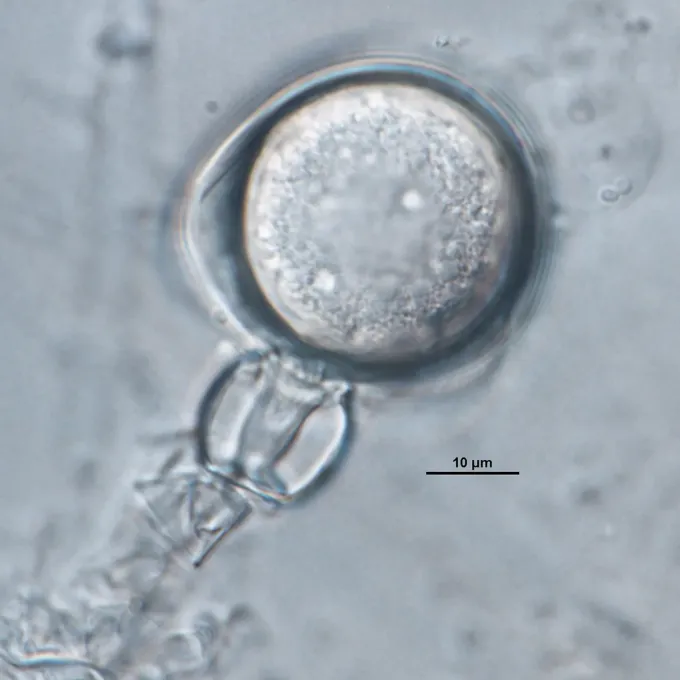
Description
Symptoms
Symptoms initially appear as dark, water-soaked spots on the leaves or needles, which rapidly expand into large, irregular necrotic lesions.
Infected shoots often exhibit wilting and dieback, with the tips of the branches curling and turning brown or black as the infection progresses.
Under high humidity conditions, a fine, whitish to greyish layer of sporulation may be visible on the underside of infected foliage.
Larch trees infected with this pathogen typically show premature needle drop, discoloration, and a visible thinning of the tree crown over time.
Advanced stages of the disease manifest as extensive canopy decline and the death of lateral branches, significantly reducing the tree's overall vitality.
Pathogen
The causative agent of this disease is the oomycete Phytophthora nemorosa, a destructive pathogen known to cause foliage blight and shoot dieback in various tree species.
This organism produces motile zoospores that travel through water films, allowing it to efficiently colonize the leaves and branches of susceptible host plants.
Biological studies indicate that P. nemorosa is closely related to other forest-damaging Phytophthora species, sharing similar mechanisms for tissue degradation.
The pathogen thrives in forest environments, often persisting in the leaf litter or soil until favorable conditions trigger a new infection cycle.
It is recognized for its ability to cause significant necrosis, disrupting the normal physiological processes of its host trees during the active growing season.
Conditions for development
The development and spread of P. nemorosa are heavily dependent on wet weather, particularly prolonged spring rains and high atmospheric humidity.
Cool to moderate temperatures provide an optimal environment for the germination of sporangia and the subsequent infection of leaf tissue.
Dense forest stands with poor airflow create stagnant microclimates that promote the accumulation of inoculum and facilitate secondary infections.
Tree stress caused by drought, poor soil conditions, or physical damage can exacerbate the susceptibility of trees to successful infection by this oomycete.
Geographical areas prone to frequent fog and precipitation are naturally more conducive to the persistence of the pathogen in the ecosystem.
Why it matters
The primary harm caused by the disease is the severe reduction in the tree's photosynthetic capacity, leading to significant growth stagnation.
In forestry nurseries, the infection can devastate large batches of young seedlings, representing a substantial financial loss and hindering reforestation efforts.
Mature trees subjected to repeated infection cycles show signs of chronic decline, making them highly susceptible to secondary attacks by pests and diseases.
Wood quality is often compromised in diseased trees, reducing the economic value of timber in areas prone to periodic Phytophthora outbreaks.
The ecological integrity of the forest is threatened when this pathogen alters species composition and reduces the biodiversity of the woodland habitat.
Protection
Sanitation practices, such as the removal and destruction of infected leaf litter and pruning of blighted branches, are crucial for reducing the inoculum load.
Implementing effective water management, including proper drainage and regulated irrigation, helps to minimize the humidity levels that favor the pathogen.
Chemical control using systemic fungicides can be employed in nurseries or high-value forest stands to protect trees during high-risk weather windows.
Monitoring programs are essential to detect early symptoms, allowing for immediate intervention to prevent the disease from becoming a widespread epidemic.
- Strict nursery hygiene protocols.
- Use of certified, disease-free planting stock.
- Maintenance of adequate tree spacing to improve airflow.
Discussion
No discussions yet — be the first.