
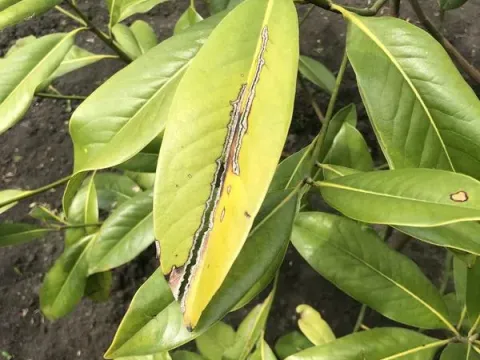
Magnolia phyllosticta leaf spot
Phyllosticta owaniana
The causal agent of magnolia phyllosticta leaf spot is the fungus Phyllosticta owaniana. This pathogen belongs to the group of deuteromycetes and typically targets the foliage of various ornamental plants.
What the section contains
Magnolia phyllosticta leaf spot
The fungus colonizes the leaf tissues, breaking down the cells within the leaf blade. During its growth, the pathogen develops pycnidia, which are tiny fruiting bodies containing spores that are released to spread the infection further.
Infection sources are primarily found in fallen leaves and infected woody parts of the plant. The fungus is capable of overwintering on plant debris, becoming active again when environmental conditions improve in the spring.
Spore dispersal occurs through water splashes from rain or irrigation, as well as wind and contaminated garden tools. Moisture on the leaf surface is a necessary prerequisite for spore germination.
The pathogen is particularly aggressive toward Magnolia grandiflora, although other magnolia species can also become infected if the plant's natural defenses are compromised.
The first symptoms of phyllosticta leaf spot appear as round or angular spots on the leaves. These spots usually feature brown or reddish-brown centers with a darker, distinct margin.
As the disease progresses, these spots expand in size and may coalesce, covering a significant portion of the leaf. The affected tissue becomes dry and brittle, often leading to leaf tearing or premature shedding.
Small black dots, known as pycnidia, are visible within the necrotic spots. These dots are a key diagnostic feature that helps differentiate fungal leaf spot from other forms of non-infectious leaf burn.
In high humidity, a fine, spore-bearing dust or film may appear on the lesions. This signifies the active sporulation phase, facilitating the rapid spread of the fungus throughout the plant canopy.
Severe infestations often lead to significant premature leaf drop, which diminishes the ornamental value of the tree and exposes the plant to further stress.
The development of the disease is highly favored by prolonged rainfall, high humidity, and moderate temperatures. The optimal range for spore germination is typically between 18 and 25 degrees Celsius.
Overcrowded plantings that lack proper air circulation prevent leaves from drying quickly after rain, providing an ideal environment for the fungus to establish and infect new foliage.
Neglecting sanitation practices, such as failing to remove fallen leaves, allows the pathogen to survive in the soil or ground cover, ensuring reinfection in subsequent years.
Plants suffering from nutrient deficiencies or irregular watering schedules show reduced vigor, making them significantly more susceptible to Phyllosticta owaniana attacks.
The highest risk period is during the spring growth phase, as young, developing leaves are highly vulnerable to infection from spores circulating in the immediate environment.
The primary harm caused by phyllosticta leaf spot is the severe loss of aesthetic appeal. Since magnolias are grown specifically for their foliage and flowers, discolored and falling leaves drastically reduce their value.
The reduction in the leaf surface area hampers photosynthesis, which inhibits the overall growth and developmental capacity of the tree, leading to long-term weakness.
Infection can weaken the branches and overall structure of the plant, potentially leading to susceptibility to winter injury or secondary pathogen infestations by bacteria or other fungi.
If left untreated, young or weakened specimens may face decline or potential mortality due to repeated stress caused by annual defoliation cycles.
The disease poses a threat to other nearby ornamental plants, as the spores can travel through the air or via rain splashes, potentially creating a wider outbreak in the garden.
The most effective management strategy involves periodic applications of copper-based fungicides or appropriate systemic fungicides during the active growth phase.
Sanitation is crucial: every autumn, all fallen leaves must be collected and removed from the site to destroy the overwintering source of the fungal inoculum.
Avoid overhead irrigation to minimize leaf wetness; drip irrigation or direct root watering is recommended to prevent creating conditions conducive to fungal growth.
Recommended management practices include:
- Pruning and destroying infected branches and leaves.
- Applying copper-based fungicides such as Bordeaux mixture early in the season.
- Enhancing plant vitality through proper fertilization to improve natural resistance.
Regular monitoring of the trees allows for the early detection of the disease, enabling localized treatments that can halt the progression of the fungus before a major outbreak occurs.