
Maire's Amanita
Amanita mairei
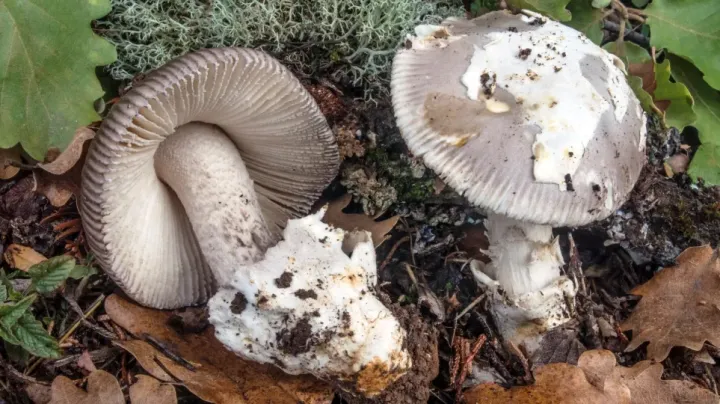
Description
Pathogen
Maire's Amanita (Amanita mairei) is not a plant pathogen or a disease agent. It is a basidiomycete fungus that exists in a strictly mutualistic mycorrhizal relationship with specific tree species, rather than causing harm to vegetation.
The fungus functions by forming an ectomycorrhizal sheath around the root tips of host trees. This symbiosis facilitates the exchange of water and minerals for carbohydrates, which is a beneficial ecological process rather than a parasitic one.
Unlike common crop diseases that cause necrosis, chlorosis, or vascular collapse, Amanita mairei has no mechanisms to invade living plant tissue. It does not produce phytotoxic enzymes that could degrade healthy crop plants.
Within the scope of agronomy, this species is considered a component of forest biodiversity. It occupies ecological niches that are not typically involved in the cultivation of annual crops or monocultural fruit production.
There is no known harmful impact of this fungus on agricultural production. Consequently, it is not listed in any phytosanitary guidelines or agricultural disease management protocols, as it poses zero risk to crops.
Conditions for development
The growth and development of Amanita mairei are strictly tied to forest ecosystems. It thrives in soils that are rich in organic matter and retain moisture, typically found in shaded woodland environments.
The fungus relies on specific tree hosts to supply the necessary nutrients. It is commonly found in association with broad-leaved or coniferous trees, depending on regional ecological variations.
Optimal development of the fruiting body occurs during temperate, moist conditions, usually peaking in late summer or autumn. Stable soil temperatures and proper aeration are essential for maintaining the underground mycelial network.
Soil disturbance, including deep tillage or the application of synthetic fungicides and high-nitrogen fertilizers, is detrimental to the species and can effectively eliminate it from a site.
Conservation of this fungus requires maintaining the integrity of the soil structure and the presence of native host trees, as it cannot survive or propagate in degraded or highly synthetic agricultural environments.
Discussion
No discussions yet — be the first.