
Phyllactinia
Phyllactinia
Phyllactinia is a genus of obligate biotrophic fungi belonging to the order Erysiphales. These pathogens are known for their specialized method of parasitizing plant hosts by extending haustoria into the epidermal cells to extract nutrients.
What the section contains
Phyllactinia
The fungus is distinguished by the production of chasmothecia (previously known as cleistothecia), which are sexual reproductive structures equipped with appendages. These structures ensure the survival of the fungus during unfavorable conditions, including winter.
The asexual stage is characterized by the production of abundant conidia, which are easily dispersed by wind. This mode of transmission allows the disease to spread rapidly across various tree species within a short period during the growing season.
Phyllactinia has a relatively wide host range, primarily targeting deciduous trees and shrubs. The fungi are highly specialized to specific host tissues, often showing a preference for the undersides of leaves where humidity levels are more stable.
Biological research indicates that Phyllactinia species possess a complex enzymatic system that allows them to degrade the plant cell wall, facilitating the penetration of hyphae without causing immediate massive tissue necrosis, which is characteristic of biotrophs.
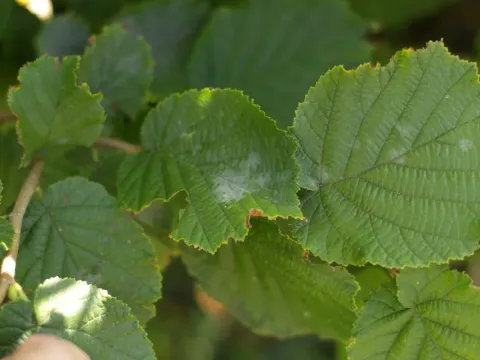
The primary symptom of infection is the development of a white, powdery mycelial coating. Unlike many other powdery mildews, this growth is frequently more pronounced on the abaxial (underside) surface of the foliage.
As the infection progresses, small, dark, spherical structures appear within the mycelial mat. These are the chasmothecia, which serve as a diagnostic feature that helps to differentiate Phyllactinia from other related fungal genera.
Infected leaves often exhibit signs of chlorosis, curling, and premature senescence. In severe cases, the entire leaf surface may become covered with fungal mycelium, leading to significant disruption of the plant's physiological functions.
The shoots may also show signs of stunted growth and developmental distortion. The cumulative effect of these symptoms often results in the loss of aesthetic value in ornamental plants and reduced growth rates in young trees.
Symptoms are often patchy, appearing as distinct white spots that coalesce over time. The localized nature of the infection can initially go unnoticed, which allows the fungus to establish a strong foothold before visible damage becomes widespread.
The development of Phyllactinia is heavily influenced by environmental factors such as humidity and temperature. Optimal growth typically occurs in warm, humid conditions with minimal direct airflow within the plant canopy.
Moderate temperatures ranging from 18°C to 25°C are ideal for rapid mycelial colonization. High relative humidity during the night, followed by relatively dry days, often promotes the release and germination of conidia.
Crowded plantings and lack of adequate pruning create a favorable microclimate characterized by reduced light penetration and stagnation of air, which are the primary drivers for disease flare-ups.
The presence of overwintered leaf litter under trees serves as the primary reservoir of inoculum. In the spring, spores from these structures are spread by the wind to susceptible hosts, initiating the cycle of infection.
Frequent fog and heavy dew formation are critical for the successful attachment of spores to the host surface. Conversely, prolonged periods of extreme heat or heavy rainfall may temporarily inhibit the disease progression.
The most significant harm caused by Phyllactinia is the reduction in photosynthetic efficiency. By covering the leaf surface with a mycelial mat, the fungus interferes with carbon dioxide uptake, leading to reduced vigor and energy storage.
Early leaf drop, caused by heavy infection, significantly impairs the tree's ability to enter dormancy properly. This leads to weakened trees that are more susceptible to winter frost damage and other environmental stressors.
Fruit and nut production is negatively impacted due to reduced nutrient allocation. Trees affected by powdery mildew often show smaller yields, lower quality produce, and an overall decline in the health of reproductive buds.
Long-term infestation can lead to a state of chronic decline in mature trees, making them susceptible to secondary infections by wood-decaying fungi or attacks by boring insects that prefer stressed hosts.
Economic impacts are felt through increased maintenance costs, losses in plant nursery stock, and the reduced market value of crops due to visual blemishes and physiological damage caused by the pathogen.
Sanitation is the cornerstone of management. Raking and disposing of fallen leaves is essential to remove the fungal inoculum that would otherwise survive the winter and reinfect the plants in the spring.
Pruning strategies should focus on thinning the canopy to promote better light penetration and air circulation. This physical modification of the environment makes it less suitable for fungal growth and spread.
Chemical control involving fungicides is recommended when the disease reaches a threshold that threatens the health of the plant. Fungicides containing sulfur or systemic triazoles are effective when applied preventatively.
- Select and plant resistant cultivars to minimize the risk of infection.
- Apply balanced fertilizers to promote tree health without excessive nitrogen.
- Monitor for early symptoms in late spring to allow for timely intervention.
- Use biological controls or horticultural oils where applicable for organic management.
Integration of multiple management techniques is required for long-term success. Relying solely on chemical applications can lead to resistance development, making holistic approaches essential for garden and orchard health.