
Phyllactinia subspiralis
Phyllactinia subspiralis
Description
Symptoms
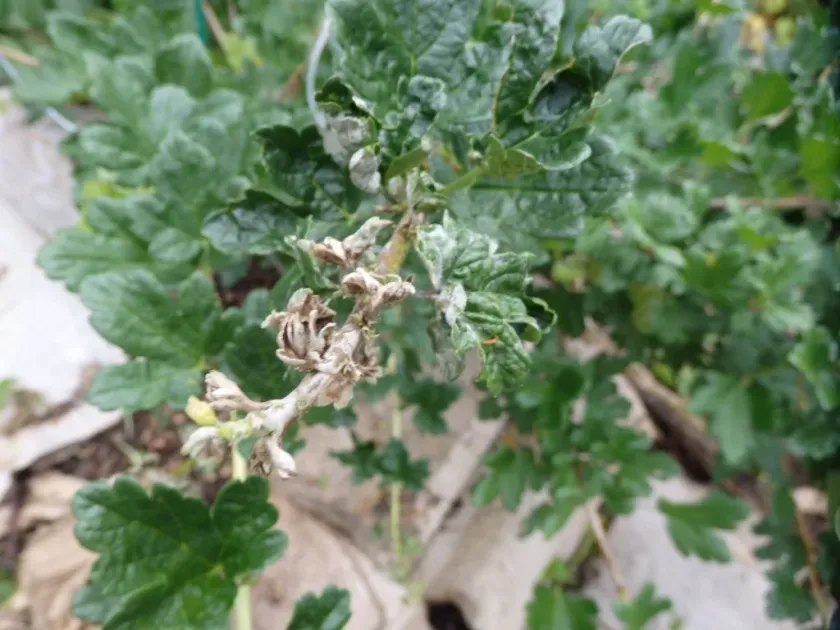
Initial signs of the infection appear as faint, white or grayish patches on the abaxial (lower) surface of the leaves. This mycelial growth may be less visible than in other common species of powdery mildew.
As the disease progresses, infected leaves begin to turn yellow and eventually show signs of wilting or rolling. The pathogen interferes with chlorophyll production, leading to chlorosis and stunted growth of the affected foliage.
Tiny black spots, representing the mature cleistothecia, eventually appear on the underside of the leaves. They are often clustered along the leaf veins or petioles, indicating a well-established infection.
Young shoots can suffer from severe deformation, stunted development, and the death of apical buds. In heavy infestations, the disease can cause significant leaf necrosis, spreading from the margins towards the leaf center.
Premature leaf drop is a classic late-stage symptom. The overall canopy of the host plant becomes thin and unhealthy, making the plant visually distinct from non-infected counterparts in the same planting area.
Pathogen
The causative agent of this disease is the ascomycete fungus Phyllactinia subspiralis, a member of the Erysiphaceae family. This pathogen is a specialized obligate parasite that derives nutrients directly from host plant tissues via haustoria.
The fungus follows a typical powdery mildew life cycle, producing conidia for asexual reproduction during the summer and cleistothecia for overwintering. These overwintering bodies act as protective capsules against harsh environmental stressors.
A distinctive feature of this species is the morphology of its cleistothecial appendages. They often exhibit spiral or hook-like tips, which are crucial diagnostic characteristics used for the microscopic identification of the pathogen.
Overwintering occurs primarily on fallen leaves or bark crevices. As temperatures rise in spring, the cleistothecia release ascospores, which are spread by wind to start primary infections on young plant shoots.
The pathogen demonstrates a high level of host specificity, meaning it primarily attacks selected woody plants. Understanding its biological cycle is essential for precise timing of integrated pest management interventions.
Conditions for development
Development of this fungus is favored by moderate temperatures typically ranging from 18 to 25 degrees Celsius. These conditions are ideal for the rapid germination of conidia and the colonization of new host tissues.
High relative humidity and poor air circulation within the plant canopy are critical prerequisites for the spread of the disease. Dense foliage creates a trapped humid microclimate that is perfect for the pathogen.
Rainy spells followed by warm sunny days facilitate both the dispersal of spores and the infection process. Dew and fog in the early morning hours also provide sufficient moisture for the fungus to penetrate the host epidermis.
Insufficient sunlight exposure on the foliage can weaken the natural defense mechanisms of the plant, making it more susceptible to infestation. Shade-grown plants are often the first to show symptoms.
Sanitation practices are essential, as the accumulation of organic matter around the base of the plant provides a stable environment for the fungus to persist from one growing season to the next.
Why it matters
The primary impact of the disease is a significant reduction in photosynthetic capacity due to leaf damage and premature shedding. This limits the energy reserves stored by the plant for the upcoming winter.
In fruit-bearing species, the infection leads to reduced crop yield, smaller fruit size, and poor quality. The overall physiological health of the plant is compromised, leading to increased vulnerability to abiotic stress.
By weakening the host, the pathogen paves the way for secondary infections, including bark necrosis or wood-decaying organisms, which can lead to the long-term decline or death of the tree.
Young trees and seedlings are particularly at risk, as they lack the robust structure of mature specimens. Stunted growth during early development can permanently affect the tree's architecture and future productivity.
Farmers and gardeners face economic losses due to the need for continuous chemical treatments, reduced productivity, and the potential necessity of removing heavily infected or irreparable plant specimens.
Protection
Sanitation remains the most effective preventive measure. Collecting and burning or deep-burying all fallen leaves in autumn effectively eliminates the primary inoculum source for the following season.
Proper pruning is essential to improve airflow and light penetration through the canopy. By creating an open structure, gardeners can keep the humidity levels low enough to discourage fungal colonization.
Application of fungicides—specifically those based on sulfur or systemic triazole compounds—can effectively control the disease when applied at the first sign of visible white patches on the foliage.
Balanced plant nutrition is vital. Avoiding excessive nitrogen fertilization helps keep vegetative growth controlled and robust, making tissues less prone to easy penetration by the fungus.
- Planting disease-resistant cultivars when available.
- Ensuring proper plant spacing to facilitate air movement.
- Using biological control agents such as Bacillus subtilis.
- Regular monitoring during the peak growing season to detect early symptoms.
Discussion
No discussions yet — be the first.