
Phycomyces blakesleeanus
Phycomyces blakesleeanus
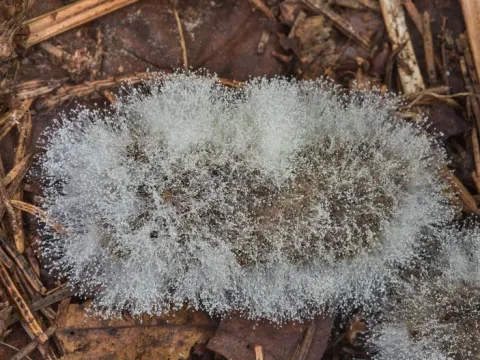
Phycomyces blakesleeanus is a zygomycetous fungus widely known in microbiology for its rapid growth rate and phototropic response. It is a saprophytic organism that thrives on decomposing organic matter.
What the section contains
Phycomyces blakesleeanus
In agricultural environments, this fungus typically acts as a secondary colonizer. It effectively breaks down organic substrates using a robust mycelial network and high-density sporulation, often seen as fuzzy mold.
The life cycle involves the production of resistant spores that ensure survival under varying environmental conditions. These spores are easily disseminated by air currents, facilitating wide distribution in agricultural settings.
While primarily a saprophyte, the fungus can impact plant health when vegetation is stressed or weakened. Its enzymatic activity is specialized for the rapid breakdown of plant cell walls, which are rich in nutrients.
The genetic plasticity of Phycomyces blakesleeanus allows it to adapt quickly to diverse substrates, making it a common inhabitant of soil, decaying plant debris, and poorly managed storage facilities.
The development of Phycomyces blakesleeanus is highly dependent on environmental moisture. Humidity levels above 75-80 percent are ideal for the rapid activation and growth of the fungus.
Optimal temperatures for the fungus generally range from 20 to 25 degrees Celsius. These conditions are frequently encountered during crop harvest and storage, particularly if ventilation is inadequate.
Physical injuries to plant tissues are primary entry points for the fungus. Bruises, cuts, or tissue damage from other pests and pathogens significantly accelerate the colonization process.
Poor aeration in storage bins creates stagnant microclimates where moisture accumulates on the surface of produce. This allows the mold to flourish and form large, visible patches of sporulation.
In field conditions, high concentrations of decaying organic matter and saturated soil promote the buildup of fungal spores, increasing the risk of infection when crops are harvested under unfavorable conditions.
The primary economic harm occurs post-harvest, where the fungus causes rapid rotting of produce. Its enzymatic secretions turn plant tissues into a soft, decomposed mass within a short timeframe.
Produce affected by Phycomyces blakesleeanus loses its market value and nutritional quality immediately. The growth of the fungus renders the crop entirely unsuitable for distribution or consumption.
Once established in a storage bin, the fungus spreads rapidly to healthy produce via airborne spores. This leads to the potential loss of entire harvests if the initial outbreak is not controlled.
Apart from physical degradation, the presence of mold can lead to the production of volatile compounds that emit unpleasant odors, further compromising the quality of stored inventory.
In fields, the fungus can impede the recovery of plants that are already struggling with environmental stress, contributing to an overall decline in yield and plant vigor.
Effective control centers on environmental management within storage facilities. Maintaining low humidity and cool temperatures is the most reliable way to inhibit fungal growth.
Sanitation is a critical preventive measure. Regular cleaning and disinfection of storage containers, crates, and warehouse surfaces eliminate reservoirs of spores that could restart the infection cycle.
Careful post-harvest handling is essential. Sorting out damaged or diseased produce before storage prevents the introduction of the fungus into clean batches and slows the potential for cross-contamination.
Field management should focus on incorporating crop debris deeply into the soil to accelerate decomposition by competing microorganisms and reduce surface-level spore accumulation.
- Implementing advanced climate control systems in warehouses.
- Ensuring thorough produce drying prior to storage.
- Monitoring stored inventory regularly to identify and remove affected units early.
- Improving air circulation through proper stacking and ventilation design.