
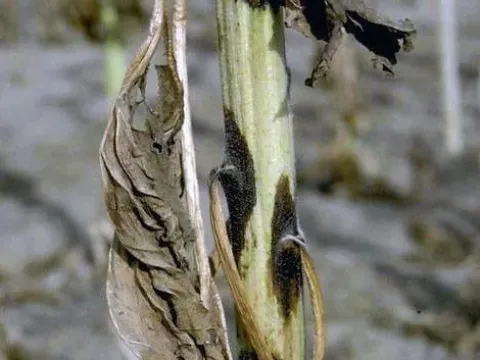
Phoma leaf spot
Phoma herbarum
The disease is caused by the fungus Phoma herbarum, an asexual pathogen belonging to the Deuteromycetes class. It acts as a polyphage, meaning it can infect a wide range of plants, including vegetables, grains, oilseeds, and various ornamental species.
What the section contains
Phoma leaf spot
The pathogen overwinters as mycelium or pycnidia in soil, crop residues, or infected seeds. Primary infection occurs through contaminated soil or seed material, while secondary cycles are fueled by spores spread by wind and water splashes.
The fungus produces pycnidia — specialized, flask-shaped structures embedded in plant tissue. When humidity is high, these pycnidia release conidia, which are disseminated to healthy plant tissues to propagate the infection throughout the growing season.
Phoma herbarum is remarkably resilient, capable of surviving in the soil for several years without a host. By secreting specific toxins, the fungus weakens plant defenses, promoting tissue necrosis and facilitating its spread within the plant host.
Due to the complex nature of fungal communities on crops, laboratory analysis and microscopic examination are often required to distinguish Phoma from other necrotic diseases that present similar visual symptoms in the field.
Initial symptoms manifest as small, light-colored or brown lesions surrounded by a darker margin on leaves, petioles, and stems. These lesions expand over time, often becoming necrotic and causing significant tissue decay.
A definitive diagnostic feature of Phoma infection is the presence of numerous minute black dots scattered across the lesion surface. These dots are the pycnidia, which serve as the primary source of inoculum for subsequent infections.
Stem lesions often lead to longitudinal cracking and weakening of the plant structure. In cases of root and crown infection, the plant may exhibit wilting and premature senescence as the vascular system becomes compromised.
Root rot caused by Phoma leads to tissue decay at the base of the stem. This weakens the plant's structural integrity, causing it to become brittle and prone to lodging, especially during high-wind events or mechanical stress.
Seeds and fruits may display dry rot patches or sunken lesions. Infected seeds are often discolored and have reduced viability, which creates a significant risk for spreading the pathogen to new planting areas in the following season.
The development of Phoma is highly favored by high humidity (above 80% relative humidity) and moderate temperatures ranging between 18°C and 25°C. Rainfall events are crucial for splash dispersal of conidia, leading to rapid outbreaks.
Poor crop rotation practices significantly increase disease risk. Growing host crops in close succession allows the fungal population to build up in the soil, making subsequent crops highly susceptible to early infection.
Mechanical injuries to the plant tissue serve as entry points for the pathogen. Damage caused by pests, hail, or agricultural equipment makes the crop significantly more vulnerable, especially under favorable environmental conditions for fungal growth.
Dense plant canopies restrict air circulation and maintain high moisture levels near the plant base, creating an ideal microclimate for Phoma. Similarly, poor soil drainage encourages root health decline and increases susceptibility to root-infecting strains.
Imbalanced fertilization, particularly excessive nitrogen application, results in succulent tissue growth. These soft, rapidly growing cells are less resistant to infection than tissues grown with balanced nutrient availability.
The primary impact of Phoma is the reduction of the photosynthetic leaf area, which severely limits the plant's ability to produce energy. This leads to stunted growth, reduced biomass, and overall lower yields.
In oilseed crops, stem lesions are particularly damaging as they disrupt the translocation of nutrients to developing seeds. This results in thin, shriveled seeds with reduced oil content, directly impacting the economic value of the harvest.
Systemic wilting caused by blocked vascular tissues can lead to the total collapse of individual plants. When this occurs on a large scale, it results in significant stand depletion and unavoidable losses in productivity.
Compromised root systems leave plants unable to cope with environmental stresses like drought. This added stress often means that infected plants are less likely to reach maturity or produce a harvestable quantity of grain.
Furthermore, post-harvest quality is significantly reduced. Contaminated harvests require expensive cleaning or sorting processes, and seeds from infected crops often fail to meet quality standards for germination and marketability.
Integrated disease management starts with the use of clean, certified, and fungicide-treated seeds. This simple but essential step significantly reduces the likelihood of introducing the pathogen into the soil.
Strict adherence to a well-planned crop rotation is the cornerstone of control. A break of 3 to 4 years between susceptible crops is generally recommended to allow the natural decay of the fungal inoculum in the field.
Field sanitation is vital; deep plowing to bury crop residues helps in the rapid breakdown of organic matter that harbors the fungus. Controlling host weeds, especially those in the same botanical families, prevents off-season survival.
During the growing season, systemic fungicides such as triazoles or strobilurins are used to curb active infections. Timely application, based on disease forecasts and scouting, is essential for maintaining control during critical growth stages.
Maintaining optimal plant density and ensuring balanced fertilization (emphasizing phosphorus and potassium) helps build plant resistance. Healthy crops are far more capable of enduring pathogen pressure and limiting the spread of the disease.