
Phoma leaf spot of chenopods
Phoma chenopodii
Description
Symptoms
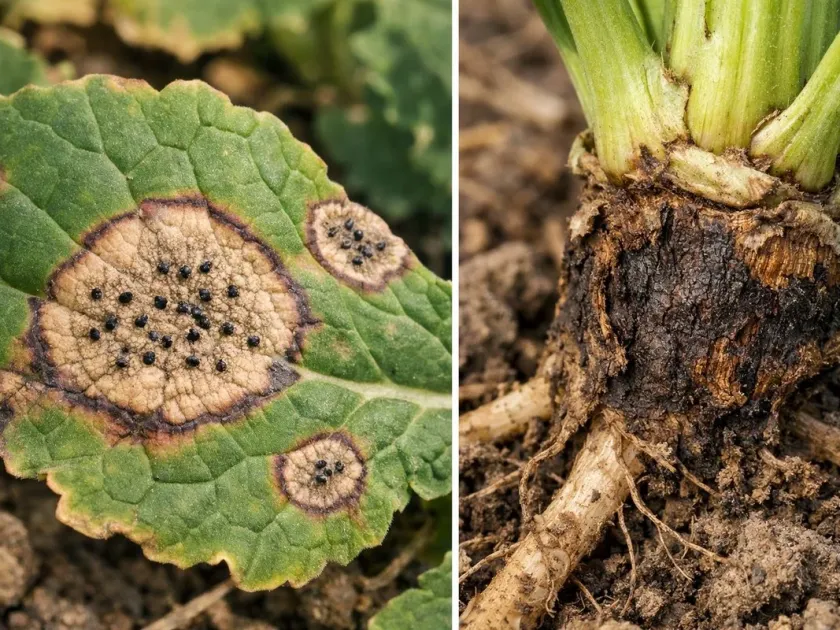
The first symptoms manifest as small, dark-colored spots on leaves, which gradually expand and often display a distinct necrotic center with a darker margin.
As the disease progresses, tiny black dots — the pycnidia — appear scattered across the surface of the lesions, providing a diagnostic visual marker for this specific pathogen.
Stem infections can occur, often leading to localized discoloration, tissue collapse, and, in severe cases, the cracking of the epidermal layers of the stems.
Symptoms usually appear on lower leaves first, as the higher humidity near the ground provides the optimal moisture levels required for fungal colonization.
Severe infections lead to chlorosis, premature senescence of foliage, and eventually the death of the plant tissue, which compromises the overall vitality of the crop.
Pathogen
The causative agent of this disease is the deuteromycete fungus Phoma chenopodii (Sacc.) Syd. This pathogen is specialized in infecting plants within the Amaranthaceae family, including weeds like common lambsquarters.
The fungus produces pycnidia, which are small, dark, flask-shaped reproductive structures embedded within the plant tissue, serving as the primary source of inoculum.
Reproduction occurs through conidia, which are disseminated by wind, rain splashes, and physical contact during field operations, facilitating the rapid spread of the fungus.
Initial infections typically begin through the natural openings of the plants (stomata) or through wounds caused by weather events like hail or feeding damage from insect pests.
The fungus maintains its survival through its mycelium, which persists in plant debris within the soil, allowing it to re-emerge in subsequent growing seasons.
Conditions for development
The development of Phoma chenopodii is highly dependent on environmental conditions, specifically preferring high relative humidity (above 80%) and moderate temperatures between 18°C and 25°C.
Poor ventilation within dense canopy stands traps moisture, creating a microclimate that accelerates the germination of conidia and the infection process.
Frequent rainfall events significantly contribute to the spread of the pathogen, as splashing water carries fungal spores from the soil or lower infected leaves to upper healthy tissues.
Field conditions involving poor drainage or high plant density can drastically exacerbate the severity of the disease outbreak during the vegetative growth phase.
Plants that are physiologically stressed due to nutrient deficiencies or environmental pressures are significantly more susceptible to colonization by the fungus.
Why it matters
The primary damage results from the significant reduction in photosynthetic leaf area, which limits the plant's ability to produce energy and synthesize essential nutrients.
If the infection occurs during the seedling stage, it can result in significant stand reduction, potentially forcing growers to replant entire areas.
Toxic metabolites produced by the fungus during its colonization process can systemically weaken the plant, reducing its ability to withstand secondary abiotic and biotic stressors.
For crops where the foliage is the primary product, the quality is severely degraded, making the harvest unsuitable for commercial markets.
Yield losses can be substantial in wet years, as the rapid spread of the fungus can lead to epiphytotic conditions that are difficult to manage without intervention.
Protection
Effective management begins with strict crop rotation practices, ensuring that susceptible hosts are not planted in the same soil for extended periods.
- Deep tillage to bury plant debris and accelerate the decomposition of fungal structures.
- Aggressive weed control, focusing on the removal of wild Amaranthaceae species that harbor the pathogen.
- Application of preventative fungicides when environmental conditions are conducive to disease development.
- Proper crop nutrition to maintain robust plant immunity against opportunistic infections.
Using certified, disease-free seed and applying appropriate seed treatments can prevent the introduction of the pathogen into new areas.
Regular field scouting is essential to identify early outbreaks, allowing for targeted chemical applications to contain the spread of the fungus effectively.
Discussion
No discussions yet — be the first.