
Otthia spiraeae
Otthia spiraeae
The first signs of Otthia spiraeae infection typically appear as necrotic lesions on the bark of shoots, which gradually turn brown or dark in color.
What the section contains
Otthia spiraeae
Affected bark may crack, exposing the underlying woody tissue, which indicates that the pathogen has penetrated deep into the plant's vascular system.
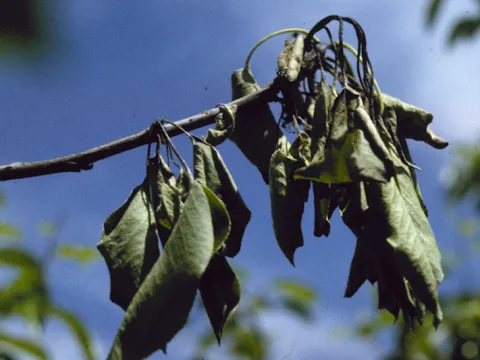
Leaves on infected branches often wilt, turn yellow, and wither prematurely, signaling that the supply of nutrients and water is obstructed.
Tiny black fruiting bodies of the fungus may emerge on the surface of the bark, appearing as small bumps or pustules during the active disease phase.
If left untreated, the necrosis spreads around the stem, causing dieback of the branch starting from the point of infection and moving outwards.
The causative agent of this condition is the fungus Otthia spiraeae, an ascomycete that thrives as a parasite on plants within the Rosaceae family.
The fungus survives the winter season in the form of dormant mycelium within the infected bark and wood tissues of the host plant.
Primary infection occurs through spores, which are spread by rain splashes, wind, and potentially insects landing on susceptible bark surfaces.
The life cycle of the pathogen is closely tied to the physiological state of the host, as it prefers tissues that are weakened or already damaged.
Genetic research and observations confirm the persistence of this fungus in affected shrubs, making it a recurring challenge in moist climates.
High humidity and prolonged periods of rainfall create the ideal environment for the spores of Otthia spiraeae to germinate and infect new tissues.
Poor airflow within overcrowded shrub plantings keeps foliage and stems wet for longer, significantly increasing the probability of fungal colonization.
Mechanical damage caused by pruning, insects, or winter freezing provides easy entry points for the pathogen to bypass the plant's natural defenses.
Plants struggling with nutrient deficiencies or inadequate sunlight are generally more susceptible to infection and exhibit faster symptom progression.
Moderate temperatures, especially during the spring and early summer, facilitate the rapid development of the fungus throughout the shrub's canopy.
The primary harm is the destruction of the shrub's aesthetic value, which is particularly detrimental to landscapes and ornamental gardens.
The fungus disrupts the plant's vascular integrity, leading to severe stress, stunted growth, and a significant reduction in overall vitality.
Progressive dieback can lead to the total loss of individual branches or even the entire plant if the infection reaches the main stems or crown.
Increased maintenance costs arise from the need for corrective pruning, disposal of infected material, and regular chemical disease management.
The presence of the disease creates a reservoir for future infections, potentially threatening nearby healthy plants if not properly controlled.
Rigorous sanitary pruning is essential to remove infected branches; ensure that all cuts are made several centimeters below the visible lesion into healthy wood.
Fungicidal applications, particularly those containing copper or specialized systemic agents, help to prevent new infections during high-risk seasons.
Tool hygiene is critical; disinfect pruners with alcohol or bleach after contact with diseased wood to prevent transmitting the fungus to healthy branches.
Enhance the plant's vigor through proper fertilization and watering, which builds resilience against fungal attacks and environmental stress.
- Prompt removal and burning of all infected pruning debris.
- Thinning out the shrub canopy to ensure better sunlight penetration.
- Applying protective wound sealants to larger pruning cuts.