
Nitzschia
Nitzschia
A primary symptom of Nitzschia presence is a shift in water color, which often takes on a brownish, yellow-green, or rusty hue.
What the section contains
Nitzschia
Slimy, film-like coatings frequently form on submerged plant surfaces, rocks, or containers, signaling high levels of diatom activity.
Aquatic crops may show signs of inhibited growth and chlorosis, caused by physical blocking of the leaf surface by algae colonies.
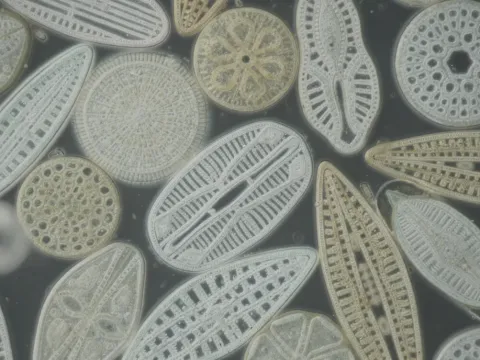
Microscopic examination reveals the hallmark elongated, spindle-shaped cells protected by a rigid, two-part silica frustule.
The accumulation of dead algae mass is often accompanied by an unpleasant musty or earthy odor, common in stagnant water conditions.
The organisms involved are diatoms of the genus Nitzschia, belonging to the class Bacillariophyceae, found in diverse aquatic habitats.
These are microscopic, unicellular organisms characterized by a unique silicate cell wall that provides structure and environmental resilience.
They multiply primarily through asexual cell division, allowing for rapid population growth when environmental conditions are optimal.
While not strictly plant parasites, their tendency to form dense biofilms directly interferes with the biological processes of higher plants.
Their ability to switch between planktonic and sessile forms makes them versatile colonizers of various substrates in aquatic environments.
Development is driven largely by high levels of dissolved nutrients, specifically nitrogen and phosphorus, typical in runoff-affected systems.
Water temperatures ranging from 15 to 25 degrees Celsius create an ideal metabolic window for rapid cell division and biomass increase.
An adequate supply of silicate is essential for these organisms, as it is the primary building material for their silica-based cell walls.
Stagnant or low-flow water conditions are highly conducive to the buildup of colonies on submerged surfaces and host plants.
High levels of ambient light stimulate photosynthesis in Nitzschia, accelerating their growth and colonization rates on surfaces.
The primary damage is physical obstruction of light and gas exchange, which disrupts photosynthesis in submerged and aquatic crops.
Dense mats of these diatoms can significantly deplete oxygen levels in the water, especially at night, causing stress to plant root systems.
The breakdown of Nitzschia biomass releases organic compounds that can deteriorate water quality and foster secondary bacterial growth.
Infestation reduces the aesthetic value and marketability of aquatic ornamental plants due to the persistent slimy residue on leaves.
Overall, large-scale colonization impairs the productivity of hydroponic and pond-based agricultural systems by altering the chemical balance.
Effective management begins with reducing nutrient loading through proper fertilizer management to prevent excessive water enrichment.
Increasing water circulation and aeration is vital to discourage the settlement of diatom cells on plant surfaces and submerged hardware.
The application of selective biological control agents or enzyme-based algaecides can reduce population density without harming crops.
Regular mechanical removal of biofilms and the maintenance of filtration systems are critical to preventing long-term infestation cycles.
- Nutrient management
- Enhanced water aeration
- Mechanical surface cleaning
- Monitoring water chemistry