
Nodulosphaeria
Nodulosphaeria
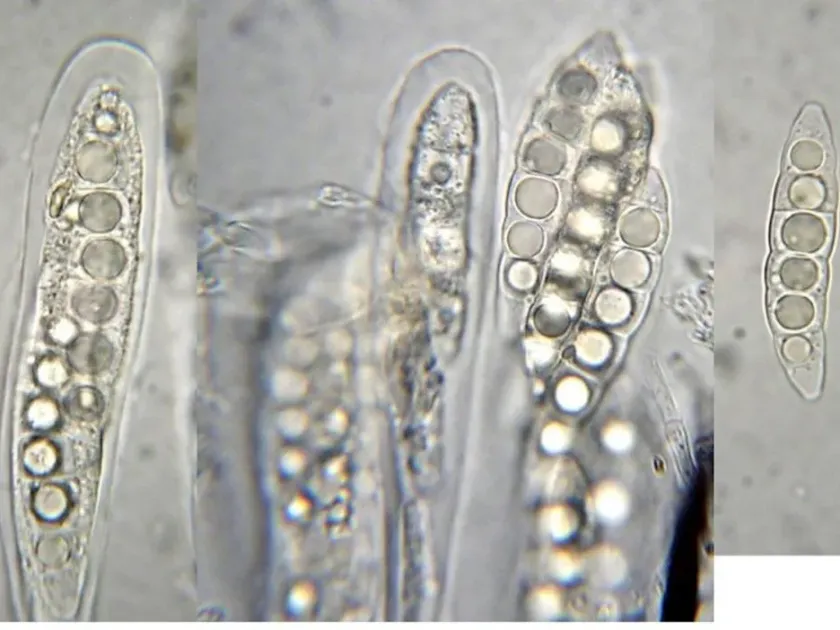
Description
Symptoms
Initial symptoms are often observed on the lower internodes and leaf sheaths of infected cereal plants as necrotic, dark-colored patches.
Small, black, raised structures known as pseudothecia eventually appear on the diseased tissue, indicating active spore development.
Infected leaves exhibit premature yellowing and necrosis, which mimics nutrient deficiency or physiological stress in the crop.
Structural integrity of the stems can be compromised by the fungal activity, leading to weakness and increased susceptibility to lodging.
Under humid conditions, a fine fungal growth may be visible on the surface of the lesions, further weakening the plant's photosynthetic capacity.
Pathogen
The disease is caused by the Ascomycete fungus of the genus Nodulosphaeria, belonging to the Phaeosphaeriaceae family.
This pathogen acts primarily as a saprotroph on crop residues, though it can exhibit parasitic activity under specific environmental conditions.
The lifecycle involves the formation of pseudothecia, which serve as overwintering structures on dead plant stems and stubble.
Ascospores produced by the fungus are dispersed via wind and rain, initiating primary infections on susceptible cereal crops.
The fungus demonstrates high survival rates in the soil, allowing it to persist between seasons until a suitable host is available.
Conditions for development
The development of the disease is highly correlated with periods of high humidity and rainfall during the vegetative growth phase.
Optimal temperatures for mycelial expansion and infection typically range between 15°C and 22°C.
Dense planting configurations limit air circulation, maintaining the high-humidity microclimate required for successful fungal colonization.
Reduced tillage practices that leave significant amounts of stubble on the soil surface provide a major reservoir for the pathogen.
Shortened crop rotations increase the density of spores in the field, leading to a higher risk of epidemic outbreaks in subsequent cycles.
Why it matters
The primary impact of the disease is the reduction of the photosynthetic area, which negatively affects the grain-filling process.
Severe infestations lead to reduced thousand-grain weight and overall grain quality, directly impacting the economic value of the harvest.
Lodging caused by the disease complicates harvesting operations and often results in direct yield losses due to grain shattering or decay.
Infected plants are often predisposed to secondary infections by other opportunistic pathogens, worsening the overall plant health.
Farmers face significant financial losses due to the need for chemical intervention and lower marketable yields from heavily infested areas.
Protection
Crop rotation is considered the most critical cultural practice to break the disease cycle and reduce primary inoculum levels in the soil.
Thorough mechanical incorporation of plant residues promotes faster decomposition and reduces the viability of the fungal pseudothecia.
Application of systemic fungicides during the stem elongation stage is effective in suppressing the spread of the pathogen within the canopy.
Selecting resistant varieties provides a sustainable way to minimize the risk of yield loss without relying solely on chemical treatments.
Balanced fertilization, particularly adequate potassium levels, helps strengthen plant tissue and improves overall resistance to fungal infection.
Discussion
No discussions yet — be the first.