
Neoalbatrellus caeruleoporus
Neoalbatrellus caeruleoporus
Description
Pathogen
Neoalbatrellus caeruleoporus is a species of basidiomycete fungus within the Albatrellaceae family. It is critical to note that this fungus is not a plant pathogen and does not cause diseases in agricultural crops or horticultural plants.
In terms of ecological function, this species is a saprotroph that thrives on organic matter and woody debris found in forest floors. It does not infect living plant tissues, meaning it poses no risk to commercial farming or gardening operations.
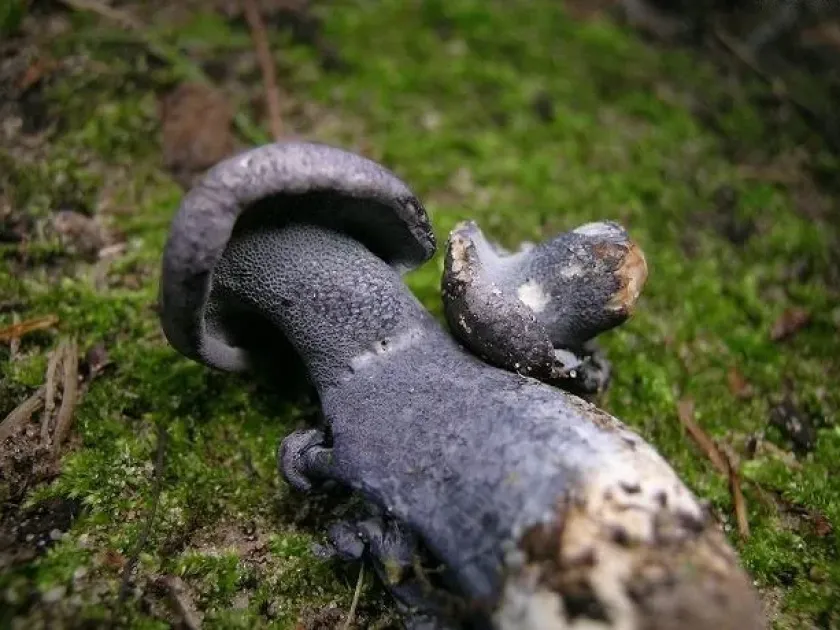
The fungus produces distinctive sporocarps known for their blue-tinted pore surfaces, which aid in spore dispersal. These reproductive structures appear seasonally when environmental conditions meet specific moisture requirements.
Biologically, N. caeruleoporus contributes to the nutrient cycle by decomposing lignin and cellulose present in forest debris. It serves as a vital component in maintaining soil health within stable, old-growth woodland ecosystems.
The taxonomic classification of this fungus has undergone various changes, ultimately landing in the genus Neoalbatrellus. It is recognized by mycologists as an indicator species for undisturbed forest environments.
Conditions for development
The growth of Neoalbatrellus caeruleoporus is restricted to specific forest habitats characterized by high humidity and consistent shade. It is typically found in coniferous forests where the soil is enriched with organic mulch.
Optimal development occurs during periods of moderate temperature and high precipitation. The fungus relies on the microclimate established by canopy cover to keep the forest floor moist enough for the mycelium to thrive.
Temperatures ranging between 12°C and 18°C are generally most conducive to the formation of its fruiting bodies. Extreme heat or cold inhibits metabolic processes and halts the appearance of the fungus above ground.
Soil acidity levels and the quality of the surrounding organic matter are vital for the fungal community. Disruption of these soil layers, such as through logging or tillage, effectively eliminates the habitat for this species.
Given its specialized ecological niche, N. caeruleoporus is not found in agricultural landscapes. Its presence is strictly tied to intact natural areas where chemical inputs from farming are absent.
Discussion
No discussions yet — be the first.