
Naviculaceae algae
Naviculaceae
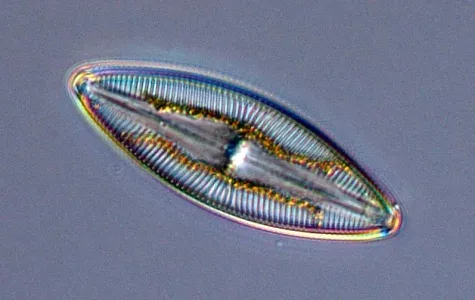
Description
Symptoms
The primary symptom is the emergence of a rusty-brown or dark film on the soil surface in greenhouses, nurseries, or waterlogged fields.
When covering young seedlings, the algae form a gelatinous layer that hinders gas exchange through the stomata and inhibits normal skin respiration.
Affected plants often show signs of chlorosis, stunted growth, and general physiological stress due to impaired photosynthesis and root function.
The presence of an algal crust prevents proper infiltration of water and nutrient solutions, leading to localized drought stress in the root zone.
On roots, the infestation appears as a brownish coating that adheres to tissues, causing gradual degradation of the epidermis and facilitating secondary rot infections.
Pathogen
The causative agents are diatom algae belonging to the Naviculaceae family, characterized by their silicate shells. These unicellular organisms are highly mobile and exhibit rapid metabolism in moist environments.
While not traditional fungal parasites, their massive proliferation on the soil surface or plant organs leads to a pathological state in crops. They are autotrophic organisms that multiply vigorously when exposed to light and nutrients.
In agricultural ecosystems, these algae often coexist with other species, forming dense films that significantly alter the microbiota of the rhizosphere and impact plant physiology.
Their life cycle includes rapid vegetative cell division, enabling them to colonize surfaces quickly. They can also survive in the soil for extended periods by forming dormant spores.
The agronomic significance of these algae lies in their ability to displace beneficial soil microorganisms, causing a biological imbalance that suppresses crop development.
Conditions for development
Development is directly proportional to light availability; these algae thrive when direct sunlight hits moist soil or growth substrates.
Excessive humidity is the critical factor, commonly caused by over-irrigation or poor drainage management in protected cultivation systems.
High levels of nitrogen and phosphorus in the substrate provide optimal nutrients for the rapid vegetative reproduction of diatomaceous algae.
Soil acidity also influences their growth, as most Naviculaceae species prefer neutral or slightly alkaline conditions to colonize surfaces effectively.
Poor soil aeration and dense substrate structure contribute to prolonged surface wetness, which is essential for maintaining viable algal colonies.
Why it matters
The harm caused by Naviculaceae algae primarily involves the suppression of growth in young plants, significantly reducing germination rates and overall stand density.
The dense film on the soil surface impairs the physical properties of the topsoil, restricting essential oxygen flow to the root system.
Nutrient uptake is disrupted because algae actively absorb mineral elements from the topsoil horizon, competing directly with the cultivated plants.
Commercial value may be lost in nursery and ornamental plants due to unsightly staining and the presence of slimy algal residues on the vegetative parts.
Indirect harm is caused by creating an environment that favors the development of other fungal and bacterial pathogens, which utilize the algal mass as a temporary refuge.
Protection
The most effective preventative measure is adjusting the irrigation schedule to allow the top layer of substrate to dry between waterings, effectively breaking the cycle.
Regular surface cultivation or hoeing in greenhouses destroys the algal film and improves oxygen circulation, significantly promoting plant health.
Using mulching materials helps reduce the light exposure on the soil surface, which is a highly effective way to limit the development of light-dependent diatom algae.
In high-intensity farming, the use of approved algicides can be considered, although strict adherence to application protocols is required to avoid plant damage.
- Optimizing light levels in greenhouses.
- Monitoring mineral fertilizer applications.
- Ensuring proper drainage and aeration.
- Sanitizing tools and growth containers.
Discussion
No discussions yet — be the first.