
Naviculoid diatoms
Naviculales
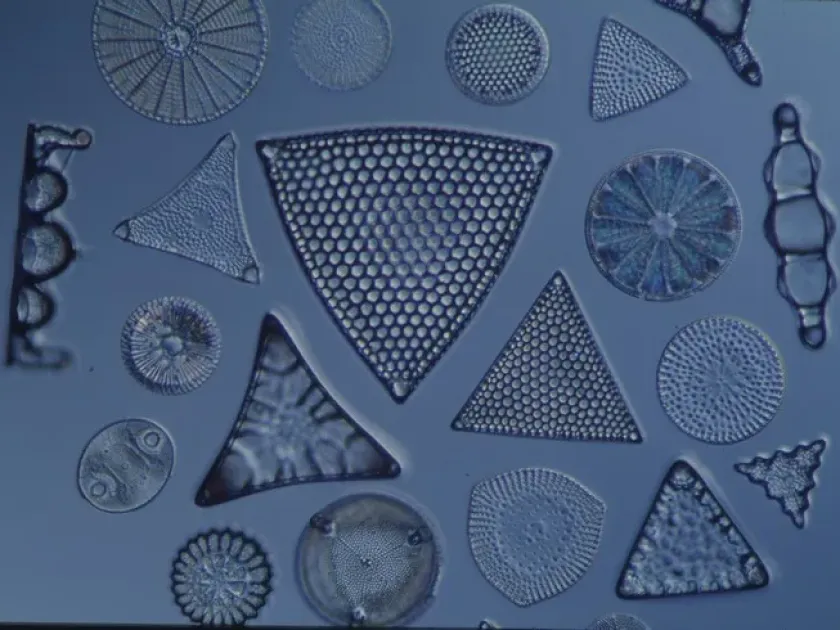
Description
Symptoms
The primary symptom of a Naviculoid diatom presence is the appearance of a brownish or tan-colored film on submerged plant stems and leaves.
In hydroponic systems, this growth manifests as a slippery biofilm coating the irrigation pipes, grow beds, and structural surfaces.
Root systems may exhibit signs of discoloration or darkening, often leading to misdiagnosis as root rot caused by fungi or oomycetes.
Plants affected by a heavy coating of diatoms appear stunted due to the physical barrier preventing light from reaching the leaf tissues.
The biofilm can be easily wiped or rinsed off, a key characteristic that distinguishes it from necrotic tissue damage or localized plant diseases.
Pathogen
Naviculoid diatoms (Naviculales) are a diverse order of unicellular microscopic algae classified within the Bacillariophyceae class.
In agronomy and aquaculture, they are not typically classified as a pathogen of higher plants, but rather as epiphytic organisms that proliferate on the surface of aquatic crops.
The cells of these organisms are protected by a rigid silica frustule, which grants them remarkable durability and resistance to environmental stress.
Reproduction occurs primarily through cell division, enabling these algae to colonize large surface areas rapidly under favorable aquatic conditions.
As autotrophs, they compete directly with crops for available nutrients and light, posing a significant challenge in controlled environments like hydroponics.
Conditions for development
The primary driver for Naviculales growth is high concentrations of silicic acid in the water, which is essential for the construction of their silica cell walls.
High light intensity, combined with an excess of dissolved nutrients such as phosphates and nitrates, triggers rapid blooms of these microorganisms.
Stagnant water conditions, insufficient aeration, and poor circulation within the nutrient delivery system promote diatom attachment and accumulation.
Diatom blooms frequently occur in newly commissioned hydroponic units or following the installation of higher-intensity lighting systems.
A water temperature range between 18 and 25 degrees Celsius is considered optimal for the metabolic and reproductive activity of these diatoms.
Why it matters
The primary damage caused by these algae is the interference with photosynthesis, as the dense layer blocks the light required by the crops.
Diatoms compete for minerals and nutrients in the hydroponic solution, effectively diverting resources away from the intended harvestable crops.
Their biological activity can induce localized pH fluctuations in the root zone, increasing environmental stress for the plants.
Massive die-offs of diatom colonies lead to organic decay, which consumes dissolved oxygen and can trigger further negative water quality shifts.
The presence of a brown film significantly degrades the marketability of decorative aquatic plants and leafy greens grown in water-based systems.
Protection
Effective management requires rigorous monitoring of water chemistry, specifically focusing on the limitation of silicon and phosphate levels.
Installing UV sterilization units within the water circulation loop is highly effective at killing diatoms and preventing their further proliferation.
Adjusting lighting schedules and spectral composition can help balance the needs of the crop while discouraging the growth of invasive algae.
Regular mechanical cleaning of equipment and the use of beneficial microorganisms can help keep diatom populations at manageable levels.
- Routine disinfection of irrigation equipment.
- Mechanical water filtration and UV treatment.
- Continuous monitoring of pH and nutrient solution concentration.
- Improving water flow to prevent stagnation.
Discussion
No discussions yet — be the first.