
Microascales fungi
Microascales
Microascales is an order of ascomycete fungi that includes several significant plant pathogens responsible for serious vascular and tissue diseases.
What the section contains
Microascales fungi
Key genera such as Ceratocystis are well-known for colonizing the xylem of trees and various crop plants, obstructing water movement.
These fungi operate by invading the plant's vascular system, producing enzymes that degrade cell walls and toxins that cause wilting.
The life cycle of these pathogens is often complex and frequently involves vectors, such as beetles, that facilitate their entry into the host plant.
Their ability to survive in both plant tissues and the soil makes them persistent threats to agricultural and forestry production worldwide.
The most prominent symptom of a Microascales infection is the sudden wilting of leaves and branches, often described as "flagging" in infected trees.
If the bark is peeled back or a branch is cut, one will typically observe vascular discoloration, appearing as brown or black streaking in the sapwood.
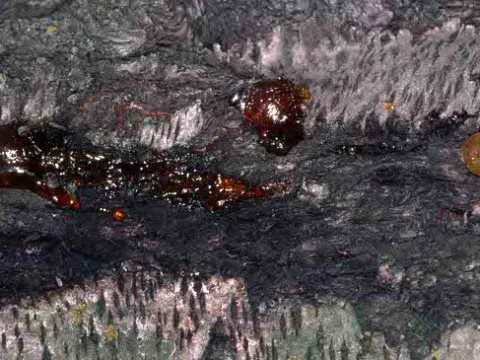
Infected plants may also exhibit stem cankers or sunken lesions on the trunks, which may ooze sap or resin under certain conditions.
As the disease progresses, the entire canopy of the plant can turn chlorotic and necrotic, leading to the rapid death of the individual.
- Sudden branch dieback.
- Vascular browning on cross-sections.
- Presence of cankers or necrotic lesions on stems.
Microascales fungi flourish in environments with high humidity and moderate temperatures, which favor spore germination and mycelial growth.
Mechanical wounding from hail, pruning tools, or insect boring provides the primary entry points for these opportunistic pathogens.
Stress factors like drought or flooding significantly reduce the plant's natural defense mechanisms, allowing the fungi to colonize the xylem more easily.
Spread within an orchard or field is commonly facilitated by wind-blown spores, rain splashes, and the use of contaminated agricultural tools.
Survival in woody debris and infested soil ensures the pathogen remains present in the area, ready to infect new susceptible hosts.
The harm caused by Microascales is substantial, often resulting in the total loss of valuable crops, orchard trees, or nursery stock.
Vascular blockage prevents water transport, causing the plant to suffer from fatal physiological drought regardless of soil moisture levels.
Beyond the loss of individual plants, the disease can devastate the productivity and market value of the entire plantation or farm.
High management costs arise from the need to remove infected specimens and the subsequent loss of revenue during the replanting process.
If not contained, these pathogens can permanently alter the ecological balance or viability of lands dedicated to specific crop production.
Rigorous sanitation practices are paramount, requiring the immediate removal and destruction of all infected plant materials to lower the spore load.
Pruning tools must be thoroughly disinfected after every cut to prevent the inadvertent mechanical transmission of the pathogen between plants.
Maintaining plant health through proper fertilization and irrigation helps improve resistance, while spacing encourages air circulation to keep humidity down.
Integrated Pest Management (IPM) focusing on controlling insect vectors is essential for limiting the entry of spores into plant tissues.
Preventive application of systemic fungicides can be beneficial in high-risk areas to protect vulnerable trees from initial colonization.